New Patients
Existing Patients
New Patients
Existing Patients
New Patients
Existing Patients
New Patients
Existing Patients


A child’s bite is more than how teeth meet — it’s a window into jaw development, function, and long-term oral health. When the upper and lower teeth don’t come together as they should, it can affect chewing efficiency, speech clarity, and even the way facial features develop over time. Addressing bite problems early gives families options that are less invasive and more predictable than treatments begun after growth is complete.
Evaluating a bite includes looking at the teeth, the way the jaws relate, and habits that influence development. Pediatric dentists and orthodontists consider growth patterns, breathing, and muscle function in their assessment. A thorough exam with dental models, photographs, and sometimes low-radiation imaging helps clinicians identify the specific type of misalignment and the best timing for intervention.
Early recognition matters because many bite problems worsen with growth. Simple crowding can progress; a mild jaw discrepancy can become more pronounced; and habits like thumb sucking can change tooth positions and jaw relationships. Families who understand the consequences and the available treatment pathways can make informed decisions about monitoring, interceptive care, or comprehensive orthodontics when the time is right.
An overbite describes a situation where the upper front teeth project noticeably over the lower front teeth. In mild cases the difference is largely cosmetic, but when the overlap is significant — a deep bite — it can cause uneven tooth wear, gum irritation, and strain on the jaw joints. Left unaddressed, these patterns can lead to functional problems and make restorative treatment more complicated later on.
Treatment strategies vary with age and severity. For younger patients, growth-friendly appliances and habit control can encourage a more balanced jaw relationship. For adolescents, braces or clear aligners are commonly used to reposition teeth and correct the bite. In complex skeletal cases, coordinated care between a pediatric dentist and an orthodontist is important to plan the best sequence of therapy.
Managing an overbite also often involves improving daily oral function. Adjusting how teeth contact can reduce abnormal wear, ease muscle tension, and improve chewing. Behavioral coaching — for example, correcting lip posture or addressing mouth breathing — may be part of a comprehensive plan aimed at creating long-term stability after orthodontic treatment.
An underbite occurs when the lower teeth extend beyond the upper teeth, giving the lower jaw a forward appearance. A related concern, the anterior crossbite, appears when one or more upper front teeth sit behind the lowers. Both patterns can interfere with efficient chewing and, importantly for children, can influence how the jaws grow. When an underbite has a strong skeletal component, timing and method of treatment become especially important.
Intervening during growth can often guide the jaws toward a more harmonious relationship. Appliances that encourage forward or backward growth of the upper or lower jaw — depending on the problem — can reduce the need for more invasive procedures later. For tooth-level crossbites, simple orthodontic mechanics can correct tooth positions before they cause asymmetric wear or functional shifts in the bite.
Close follow-up is essential because some underbites and crossbites can re-emerge as a child grows. Treatment plans typically include retention strategies and periodic reassessment during growth spurts to ensure the correction remains stable. Working with an experienced pediatric orthodontic team helps families understand expectations and the stages of care from interceptive measures to comprehensive alignment when appropriate.
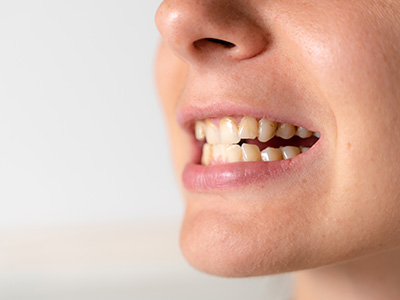
An open bite is present when the front upper and lower teeth fail to touch when the back teeth come together. This gap can result from prolonged habits — thumb or pacifier sucking, tongue thrusting — as well as breathing patterns that change tongue and jaw posture. Open bites can make biting into foods difficult and can affect speech sounds that rely on front-tooth contact.
Effective treatment combines habit management with orthodontic guidance. For younger children, behavior-focused strategies and parental support to break habits are often the first step. When habits persist or the open bite is significant, removable or fixed appliances can help retrain muscle function and guide teeth into better positions, allowing normal biting and speech patterns to develop.
Because habits and airway issues can underlie an open bite, a multidisciplinary approach sometimes helps. Pediatric dentists may coordinate with speech therapists, myofunctional therapists, or ENT specialists to address tongue posture and breathing. Correcting the underlying contributors alongside orthodontic treatment improves the likelihood of a durable outcome.
Posterior crossbites affect the back teeth and can occur on one side or both. They commonly reflect a narrow upper jaw or asymmetrical growth and can force the bite to shift to one side when a child closes their mouth. Over time, this shifting may cause uneven tooth wear, muscle imbalances, and even facial asymmetry if not managed in a timely way.
Expanding the upper jaw is a frequent and effective response to a narrow arch. In growing children, palatal expanders and similar devices gently widen the upper arch to create space and improve the bite relationship with the lower jaw. When expansion is performed at the right stage of development, it often prevents more extensive corrective work later and makes final tooth alignment more comfortable and predictable.
For tooth crowding or rotated teeth within an otherwise normal bite, space-gaining techniques or targeted orthodontic appliances may be sufficient. In many cases the path from evaluation to finished treatment includes monitoring growth, using interceptive appliances when helpful, and moving to comprehensive braces or clear aligners once most permanent teeth are present. This phased approach balances timely intervention with long-term stability.
In summary, bite problems in children span a wide range of patterns — from crowding and tooth-level misalignment to jaw discrepancies that influence facial growth. Early evaluation by a pediatric dental team helps identify which issues need watchful waiting, which benefit from interceptive care, and which are best addressed with full orthodontic treatment later on. For families seeking guidance and a clear plan, the office of Myers Pediatric Dentistry & Orthodontics provides thoughtful, growth-aware care tailored to each child’s needs. Contact us to learn more about how we evaluate bite concerns and what treatment options might be appropriate for your child.


Bite problems in children cover a range of tooth and jaw relationships that affect how upper and lower teeth come together. Common patterns include crowding, spacing, excessive overbite (including deep bite), underbite, anterior open bite, and posterior crossbite. Each pattern can involve only tooth positions or an underlying skeletal discrepancy that affects jaw growth.
Understanding the specific type of malocclusion helps guide treatment timing and approach, since some issues respond well to simple tooth movement while others require growth guidance. Early identification gives clinicians more options to intercept developing problems and to plan phased care as a child grows.
A comprehensive bite evaluation looks beyond the teeth to include jaw relationships, facial growth patterns, oral habits, and airway considerations. Clinicians use a combination of clinical exam, dental models or digital scans, intraoral photographs, and targeted imaging such as panoramic or low-radiation CBCT when indicated to document tooth position and skeletal relationships. Assessment also checks for uneven wear, shifting when the child closes, and signs of functional problems like difficulty chewing or speech changes.
Evaluators factor in the child’s growth stage because timing affects which interventions are likely to succeed. Regular monitoring with periodic rechecks is common when issues are mild, while clear signs of progressive change or functional impairment prompt earlier treatment planning.
Parents should note behaviors and visible changes such as prolonged thumb or pacifier sucking, tongue thrusting, mouth breathing, or an asymmetric chewing pattern. Other red flags include teeth that do not meet in the front or back, an obvious jaw shift when the child bites down, speech concerns related to front teeth, and premature or uneven tooth wear. Changes in facial profile or a jaw that appears too far forward or back compared with the rest of the face also warrant evaluation.
When parents observe these signs, scheduling an examination helps determine whether the issue needs monitoring, habit intervention, or orthodontic referral. Early conversations with the dental team make it easier to track development and start appropriate interceptive care if necessary.
Treatment for excessive overbite or a deep bite depends on whether the problem is dental (tooth position) or skeletal (jaw relationship) and on the child’s remaining growth. For dental overbite issues, braces or clear aligners combined with bite-opening mechanics can reposition teeth and improve incisor overlap. When a growth component exists, growth-modifying appliances and habit correction may be used to encourage a more balanced jaw relationship before comprehensive alignment.
Managing function is also part of therapy, so clinicians often address oral posture, breathing, and parafunctional habits that contribute to relapse. Long-term stability commonly requires retention and periodic follow-up through growth to ensure the correction endures as permanent teeth erupt and the jaws mature.
Underbites and anterior crossbites can stem from tooth positions or from disproportionate jaw growth, and treatment targets the underlying cause. For tooth-level anterior crossbites, simple orthodontic mechanics such as braces or aligners often reposition the offending teeth to a normal relationship. When the lower jaw is growing forward relative to the upper jaw, growth-guidance appliances used during active development can help redirect growth and reduce the severity of skeletal underbites.
Because relapse may occur with growth, close monitoring and staged treatment are common, and coordination between pediatric dentists and orthodontists ensures the right timing. In rare severe skeletal cases that persist after growth, surgical options may be considered once growth is complete, but early intervention frequently reduces or eliminates the need for more invasive procedures.
An anterior open bite appears when the front upper and lower teeth do not meet, and causes often include prolonged sucking habits, tongue thrusting, and altered breathing patterns that change tongue and jaw posture. Habit cessation and myofunctional therapy aimed at retraining tongue and lip posture are important early steps because appliances alone are less stable without addressing muscle patterns. For persistent or larger open bites, fixed appliances, removable devices, or braces can help close the vertical gap while behavioral strategies continue in parallel.
A multidisciplinary approach that may involve speech therapy or ENT evaluation often improves outcomes when airway or swallowing patterns contribute to the problem. Because open bites have a higher tendency to reopen if underlying habits persist, treatment plans emphasize durable habit change and retention strategies to support lasting correction.
Posterior crossbites, where top back teeth sit inside the lower teeth on one or both sides, often reflect a narrow upper jaw and can cause the bite to shift laterally as a child closes. This functional shift may lead to asymmetric wear, muscle strain, and progressive facial asymmetry if left untreated. Early correction is important because the midface and palate are more responsive to expansion during growth, making noninvasive widening options more effective in younger patients.
Palatal expanders and similar devices are commonly used to widen the upper arch, create space for erupting teeth, and improve occlusal relationships. Timely expansion can simplify later orthodontic alignment and reduce the risk of compensatory dental or skeletal changes that complicate treatment.
Interceptive orthodontic care is recommended when a developing problem is likely to worsen with growth or when early intervention can simplify later treatment and improve function. Examples include severe crowding that risks impaction, crossbites that cause jaw shifting, and habit-related open bites where appliance therapy combined with habit management can change growth direction. The decision to start early treatment balances the advantages of guiding growth against the potential need for a second phase of comprehensive care once more permanent teeth erupt.
Determining timing requires an individualized assessment of growth patterns, tooth eruption stages, and functional considerations. Regular monitoring by a pediatric dental team helps families choose whether to observe, intervene early, or wait for full orthodontic correction at a later stage.
Oral habits such as thumb or pacifier sucking, prolonged bottle use, and tongue thrusting can exert sustained forces that move teeth and influence jaw relationships over time. Likewise, mouth breathing related to nasal obstruction or enlarged tonsils and adenoids changes tongue posture and facial muscle balance, which in turn affects how the jaws develop. Because these contributors are functional rather than purely dental, addressing them is often essential to achieving and maintaining orthodontic correction.
When habit or airway problems are suspected, clinicians commonly recommend behavioral strategies, myofunctional therapy, or collaboration with ENT and speech specialists to treat underlying causes. Correcting the functional drivers alongside orthodontic care increases the likelihood of stable, long-lasting results as the child grows.
Stability after bite correction depends on appropriate timing, addressing functional contributors, and using retention strategies tailored to each child’s needs. Retainers and long-term monitoring help preserve tooth positions, while ongoing attention to oral posture, breathing, and habits reduces the forces that can lead to relapse. Regular dental and orthodontic checkups during growth spurts are important to detect and manage changes early.
For families seeking evaluation and individualized planning, the office of Myers Pediatric Dentistry & Orthodontics coordinates growth-aware assessments and follow-up care to help young patients achieve durable, functional outcomes. Clear communication between the dental team and the family about expectations, retention, and functional therapy supports long-term success.

Ready to schedule your child’s next dental visit or have questions about our services?
Contacting Myers Pediatric Dentistry & Orthodontics is simple! Our friendly team is here to help with scheduling appointments, explaining treatments, and answering any questions you may have. Whether you’d like to call, email, or use our easy online form, we’re ready to make your child’s dental experience positive and stress-free. Reach out today and give your little one a healthy, happy smile!

Back to top