New Patients
Existing Patients
New Patients
Existing Patients
New Patients
Existing Patients
New Patients
Existing Patients


Healthy smiles begin at home, but even the most careful brushing and flossing routines can miss hidden spots where plaque and bacteria accumulate. Regular professional dental cleanings give parents and patients an important layer of protection by removing buildup, checking oral development, and catching small problems before they become bigger ones. At Myers Pediatric Dentistry & Orthodontics we combine gentle technique with clear explanations so children leave appointments feeling more comfortable and confident about their dental care.
Children’s mouths are constantly changing: new teeth erupt, baby teeth fall out, and permanent teeth move into place. These transitions create tight spaces and irregular surfaces where food and bacteria can hide. A professional cleaning targets those hard-to-reach areas and removes hardened deposits (tartar) that cannot be eliminated with home care alone.
Plaque is a sticky film teeming with bacteria that produce acids and inflammation. When plaque is allowed to harden into tartar, it contributes to cavities and gum irritation. Regular cleanings help reduce that bacterial load, lowering the risk of decay and early gum disease while giving the clinician a chance to monitor tissue health and tooth development.
Beyond immediate oral health, routine cleanings support overall well-being. Inflamed gums and untreated infections can affect eating, speaking, and sleep, and they make future restorative or orthodontic treatment more complicated. Preventive visits are therefore an investment in both short-term comfort and long-term dental stability.
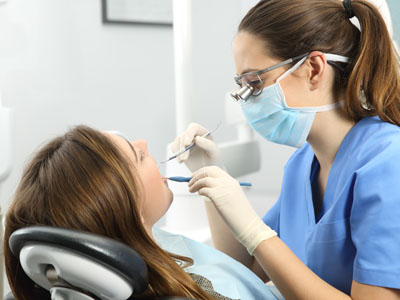
A typical visit begins with a gentle oral exam. The hygienist visually checks the teeth, gums, and oral tissues, noting eruption patterns and any areas that need extra attention. This quick assessment guides the cleaning and helps the dentist decide if any follow-up care is needed.
The cleaning itself usually combines instruments and technology. Hand tools allow precise removal of deposits on tooth surfaces, while an ultrasonic scaler can efficiently loosen tartar with tiny vibrations and a spray of water. These methods are used together to restore smooth, clean enamel without unnecessary discomfort.
After scaling, the hygienist will floss and polish the teeth to remove surface stains and create a fresh, smooth finish. Many offices also apply topical fluoride or discuss protective options like dental sealants when appropriate—measures that strengthen enamel and reduce decay risk between visits.
Fear of the dentist is common, so pediatric cleanings are designed around comfort and communication. Clinicians use child-friendly language, demonstrate tools on a finger or "tooth model," and employ the tell‑show‑do approach so children know what to expect. Small pauses, praise, and positive reinforcement help build trust during the visit.
For children who are anxious or have sensitive teeth, topical numbing gels or other comfort measures can be used to minimize sensation. Hygienists also adapt their techniques and appointment pacing to each child’s needs—shorter sessions, breaks, or distraction methods like music and guided breathing are practical ways to reduce stress.
Creating a positive experience early makes a big difference. When visits are calm and successful, children are more likely to cooperate at future appointments, leading to better long-term oral health and less need for emergency or invasive care later on.
Regular professional care does more than keep teeth looking clean — it protects the alignment and function of the mouth as children grow. Untreated cavities and periodontal concerns can lead to premature tooth loss, space loss, and shifting that complicates orthodontic treatment down the road.
During cleanings the dental team evaluates bite relationships and eruption timing, identifying signs that might indicate future orthodontic needs. Early detection allows for timely referrals or interceptive measures that guide jaw growth and tooth positioning in a way that reduces the complexity of later treatment.
Cleanings also help spot habits or conditions that affect development, such as prolonged thumb-sucking, tongue thrusting, or enamel defects. Addressing these issues early preserves healthy tissue and supports proper speech, chewing, and facial growth.
Professional cleanings are most effective when paired with a consistent home routine. Encourage children to brush twice daily with a fluoride toothpaste, and to floss once their teeth touch. For young children, parents should assist or supervise brushing until the child demonstrates good manual dexterity and technique.
Dietary choices also matter: frequent exposure to sugary or acidic snacks increases the risk of decay. Offer water and tooth-friendly snacks, limit prolonged sipping of sweetened beverages, and aim to make sugary treats an occasional part of the day rather than a constant one.
Finally, follow the recall schedule recommended by your dental team. Frequency can vary based on each child’s risk factors, but regular visits ensure plaque and tartar are removed, preventive measures are updated, and any emerging concerns are addressed early.
In summary, dental cleanings are a cornerstone of preventive pediatric care—removing harmful buildup, monitoring oral development, and reinforcing healthy habits. Myers Pediatric Dentistry & Orthodontics is committed to providing gentle, thorough cleanings that set children up for a lifetime of healthy smiles. Contact us to learn more about our approach to preventive care and how we can support your child’s dental health.


A professional dental cleaning begins with a gentle oral exam in which the hygienist inspects the teeth, gums and soft tissues for signs of decay, inflammation and unusual eruption patterns. The clinician then removes plaque and hardened deposits with a combination of hand instruments and an ultrasonic scaler to restore smooth tooth surfaces. These tools work together to eliminate bacteria that brushing and flossing can miss, especially along the gumline and in tight spaces.
After scaling, the hygienist flosses and polishes the teeth to remove surface stains and leave enamel smooth, and often applies a topical fluoride treatment to strengthen enamel. The clinician documents findings, updates the child’s chart and discusses any areas that need monitoring or follow-up care. Parents receive clear, age-appropriate guidance to support at-home oral hygiene until the next visit.
Regular cleanings reduce the bacterial load that leads to cavities and gum irritation by removing plaque and tartar before they cause damage. Routine visits also allow early detection of decay, enamel defects and gum inflammation so clinicians can intervene before problems progress. For growing mouths, preventing infection and inflammation helps protect developing teeth and the supporting tissues that guide proper tooth eruption.
Beyond immediate oral health, consistent preventive care supports overall well-being by reducing pain, preventing disruptions to eating and sleep, and minimizing the need for more invasive treatment later. Cleanings create opportunities to identify habits that can affect development, such as thumb-sucking or tongue thrusting, and to recommend timely interventions. Maintaining a regular schedule of professional cleanings is an effective investment in a child’s long-term dental stability.
The typical recommendation for most children is a cleaning every six months, which balances removing buildup with monitoring oral development and risk factors. Frequency can vary based on an individual child’s needs; children with a history of cavities, heavy plaque accumulation or gum inflammation may benefit from more frequent visits. The dental team evaluates each child’s risk and sets a personalized recall schedule to keep preventive care effective.
During recall visits clinicians reassess oral hygiene, eruption patterns and any new concerns that could affect future treatment or orthodontic planning. Parents should follow the recall interval advised by their child’s dentist, since timely professional care prevents small issues from becoming larger. Regular cleanings paired with a strong home routine give the best protection for a healthy smile.
Yes. Many dental practices incorporate preventive measures like topical fluoride and dental sealants into or immediately after a cleaning when clinically appropriate. Fluoride treatments help strengthen enamel and reduce decay risk, while sealants protect the deep grooves of back teeth where food and bacteria often collect. The hygienist or dentist will recommend these options based on the child’s cavity risk and eruption stage.
Applying sealants is a quick, painless process that typically requires minimal preparation beyond cleaning and drying the tooth surface, making it an efficient complement to a routine visit. Fluoride may be applied as a gel, foam or varnish to provide topical protection after polishing. Parents receive guidance on how these preventive measures support at-home care and how long they can expect benefits to last.
Professional cleanings help ensure the mouth is healthy and free of infection before and during orthodontic treatment, which reduces complications and promotes predictable tooth movement. Cleanings remove plaque and tartar around braces or appliances, lowering the risk of white spot lesions, cavities and gum inflammation that can interfere with orthodontic progress. During visits clinicians also monitor eruption patterns and bite relationships that influence timing and type of orthodontic care.
Early identification of space loss, abnormal eruption or periodontal concerns allows the dental team to recommend interceptive measures or orthodontic referrals when appropriate. Maintaining good periodontal health through routine cleanings simplifies later orthodontic procedures and often leads to more stable long-term outcomes. Parents should coordinate preventive visits with the orthodontist to keep both general and specialty care aligned.
Pediatric cleanings emphasize comfort through communication and technique; clinicians use the tell-show-do approach, child-friendly explanations and positive reinforcement to reduce fear. Appointments can be paced with short breaks, distraction methods like music or breathing exercises, and demonstration of instruments on a finger or model to demystify the process. Hygienists also adapt instrument pressure and positioning to minimize sensitivity during scaling and polishing.
For children with heightened anxiety or strong gag reflexes, topical numbing gels may be used to reduce sensation and make flossing and scaling more comfortable. Some practices offer nitrous oxide or other sedation options when clinically indicated, and the dental team will discuss suitability and safety with parents. These tailored strategies help children build trust and cooperation so preventive visits become easier over time.
During routine exams the hygienist documents eruption patterns, the presence of primary and permanent teeth, and any delays or abnormalities that could affect function and alignment. They check for crowding, early loss of baby teeth and asymmetries in tooth development that may signal the need for orthodontic evaluation. This ongoing surveillance is important because timely intervention can simplify future treatment.
The clinician also inspects soft tissues for lesions, evaluates the condition of existing restorations and screens for habits that influence growth, such as prolonged pacifier use or thumb-sucking. Findings are communicated to parents with clear recommendations for monitoring or referral when warranted. Keeping a longitudinal record of development at each cleaning helps the dental team coordinate preventive and restorative care as the child grows.
Parents should encourage brushing twice daily with a fluoride toothpaste and flossing once teeth touch to disrupt bacterial biofilm and reduce decay risk between visits. For younger children, parental assistance or supervision until they have reliable dexterity helps ensure effective technique and coverage of all tooth surfaces. Limiting frequent exposure to sugary or acidic snacks and offering water instead of sweetened drinks further protects enamel.
In addition to daily care, parents should follow the recall schedule recommended by the dental team and bring children in promptly if they notice pain, swelling or changes in eruption. Using preventive products recommended by the clinician, such as fluoride rinses or prescription-strength toothpaste when appropriate, can supplement routine care. Consistent home habits combined with professional cleanings provide the best defense against cavities and gum disease.
Regular cleanings reduce the likelihood of emergencies by catching early decay, loose restorations and gum problems before they escalate into pain or infection. During preventive visits clinicians identify potential trouble spots and provide interventions or guidance that prevent sudden issues, such as untreated cavities progressing to abscesses. Early management of minor concerns often prevents urgent, invasive procedures later on.
Cleanings also allow the dental team to spot early signs of trauma risk, like occlusal problems or habits that predispose children to injury, and to recommend protective measures such as custom mouthguards for sports. Prompt communication with the dental office when problems arise ensures faster, more effective care and helps maintain the benefits of routine preventive treatment. Consistent preventive care is one of the best strategies to minimize unexpected dental emergencies.
Myers Pediatric Dentistry & Orthodontics tailors preventive visits to each child’s medical, developmental and behavioral needs, creating individualized plans that prioritize comfort and safety. The team may allow longer appointment times, schedule quieter visits, use specialized positioning and incorporate sensory-friendly techniques to reduce stress. Clinicians collaborate with parents and caregivers to learn effective strategies, preferred communication methods and any medical considerations that affect dental care.
For children who require additional support, the practice can coordinate with medical providers and suggest behavior management or sedation options when appropriate, always emphasizing safety and clear consent from caregivers. Preventive care remains focused on minimizing plaque and tartar, monitoring oral development and maintaining periodontal health so that children with special needs receive the same protections against decay and infection. Open communication and customized care plans help ensure successful, positive preventive visits for every child.

Ready to schedule your child’s next dental visit or have questions about our services?
Contacting Myers Pediatric Dentistry & Orthodontics is simple! Our friendly team is here to help with scheduling appointments, explaining treatments, and answering any questions you may have. Whether you’d like to call, email, or use our easy online form, we’re ready to make your child’s dental experience positive and stress-free. Reach out today and give your little one a healthy, happy smile!

Back to top