New Patients
Existing Patients
New Patients
Existing Patients
New Patients
Existing Patients
New Patients
Existing Patients


Deciding to remove a tooth can feel alarming, but sometimes extraction is the most responsible step to protect a child's long-term oral health. Extractions are recommended when a tooth threatens neighboring teeth, interferes with normal development, or cannot be predictably restored. Our approach focuses on preserving natural teeth whenever possible while recognizing when removal is in the patient’s best interest.
Common reasons for extraction include baby teeth that won’t loosen or are causing problems for the emerging permanent tooth, permanent teeth that are too badly damaged by decay to be saved, and teeth with fractures that compromise structural integrity. Each situation is evaluated in the context of the child’s overall dental development so that treatment supports healthy growth.
We also consider extractions when disease in the gums has undermined the tissue and bone supporting a tooth, or when a wisdom tooth (third molar) is impacted, causing pain, decay, or crowding. In some orthodontic plans, carefully selected permanent teeth may be removed to create space and help achieve a stable, functional bite.
Throughout the decision-making process, our goal is to explain why extraction may be the safest option, review alternatives when they exist, and plan for what comes next—whether that’s natural healing, space maintenance for an erupting tooth, or eventual replacement options to restore function and appearance.
Delayed or problematic baby teeth
Sometimes a primary (baby) tooth does not loosen as expected. If its roots haven’t resorbed or the tooth becomes fused to the bone, the retained tooth can block the eruption path of the permanent tooth and disrupt normal alignment and development.
Irreparable decay in a permanent tooth
When a cavity progresses beyond the point where remaining tooth structure can be restored, extraction may be needed to prevent infection and protect overall oral health.
Severe fractures or damage
A tooth that is extensively cracked or fractured may not be salvageable, especially when the fracture reaches the root or the tooth is weakened beyond repair.
Advanced periodontal (gum) disease
When gum disease has caused significant loss of the supporting bone and tissues around a tooth, the tooth may become mobile and extraction can be the most appropriate course.
Impacted or troublesome wisdom teeth
Third molars often lack the space to arrive properly. Impacted wisdom teeth can damage adjacent teeth, trap food and bacteria, or contribute to infections.
Space creation for orthodontic goals
As part of an orthodontic treatment plan, removing one or more permanent teeth is occasionally the best way to correct crowding and establish a healthy, balanced bite.

Before any extraction, our team performs a focused evaluation to understand the medical and dental factors that affect treatment. That begins with a review of your child’s health history, current medications, and any recent illnesses. Certain medical conditions or medications can change how we plan care, and we’ll discuss any necessary precautions or coordination with a physician.
Imaging—usually digital radiographs—helps us see root shape, bone levels, and the position of neighboring teeth. This imaging informs whether a tooth is likely to come out easily or if a surgical approach will be necessary. We’ll explain what we see and why a particular technique is recommended so parents can make informed decisions.
Patient comfort and anxiety management are paramount. Local anesthesia is the standard for numbing the area, and for patients who are anxious or for more complex procedures we can discuss additional sedation options. We’ll review pre-operative instructions and answer questions so families know what to expect on the day of the appointment.
A simple extraction is performed when a tooth is fully visible in the mouth and the roots are uncomplicated. Once the area is numbed, the dentist gently loosens the ligaments that hold the tooth in place and uses specialized instruments to remove it. For children and teens, this procedure is usually brief and well-tolerated when appropriate anesthesia is in place.
Some teeth require a surgical approach—this includes teeth that are broken at the gumline, ankylosed (fused to bone), or impacted under the gum. Surgical extractions involve a small incision in the gum and may include removing a bit of bone to access the tooth. These procedures may be performed in our office or by a specialist, depending on the complexity and the child’s needs.
Regardless of the technique, we prioritize gentle handling of tissues and clear communication about aftercare. If a referral to an oral surgeon is the best option for a child’s safety and outcome, we’ll coordinate that transition and provide detailed instructions for both before and after the procedure.
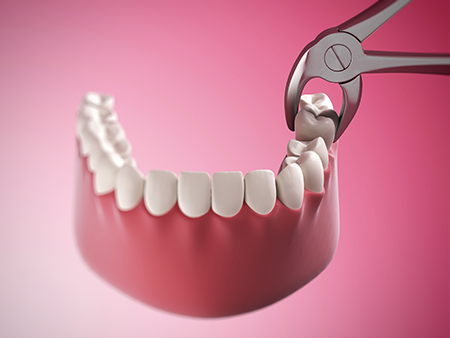
Recovery after an extraction focuses on managing discomfort, protecting the forming blood clot, and preventing infection. For the first 24 hours, gentle activities are recommended and children should avoid anything that could dislodge the clot, such as vigorous rinsing, spitting, or using a straw. Eating soft foods and keeping the mouth clean in a gentle way helps healing proceed smoothly.
Icing the face intermittently can reduce early swelling, and it’s normal to have some light oozing or mild swelling in the days after the procedure. If your child has been prescribed antibiotics or pain medication, follow the directions carefully and complete the full course of antibiotics if given. Contact the office if symptoms worsen, bleeding is heavy, or unusual signs appear.
Good oral hygiene is encouraged, but it should be gentle near the extraction site. After the first day or two, a mild saltwater rinse can help keep the area clean. We’ll provide specific guidelines tailored to the procedure performed, and if sutures were placed we’ll explain when they will be reviewed or removed.
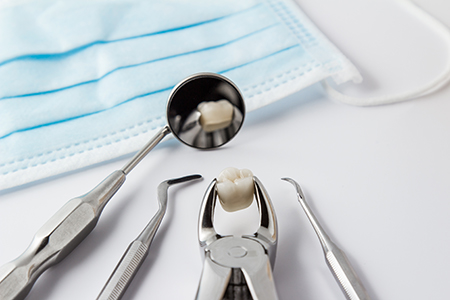
Families trust our team because we combine pediatric experience with a gentle, child-centered approach. We explain each step in kid-friendly language, use techniques that minimize discomfort, and involve parents in planning so children feel secure before, during, and after an appointment. Our clinicians focus on preserving growing smiles and only recommend extraction when it is the best clinical decision.
When a tooth is removed, we also discuss the future—whether that means allowing natural development to proceed, using a space maintainer for a lost primary tooth, or considering replacement options for older patients. We explain the pros and cons of each path so families can make choices aligned with their child’s health and developmental needs.
Coordination with orthodontic plans and medical providers is another strength of our practice. Whether a tooth needs to be removed for space reasons or a more complex surgical approach is required, we aim to make the process predictable, safe, and as comfortable as possible for each child.
To learn more about how an extraction might fit into your child’s dental care plan or to discuss concerns about a specific tooth, please contact us for additional information and guidance. Our team is happy to answer questions and help you understand the next steps.


Tooth extraction is recommended when removal best protects a child’s long-term oral health. Common reasons include a retained primary tooth that blocks eruption of a permanent tooth, a permanent tooth with decay or damage that cannot be predictably restored, severe fractures, and advanced gum disease that has compromised supporting bone. Extractions are also indicated for impacted third molars or when extra space is required as part of an orthodontic plan.
The decision to extract is made after a complete clinical evaluation and imaging to understand root shape and surrounding structures. Our goal is always to preserve natural teeth when feasible and to choose extraction only when it offers the most reliable outcome for growth and function. When removal is necessary, we discuss next steps such as monitoring, space maintenance, or eventual replacement options to support healthy development.
Determining whether to save or remove a tooth starts with a thorough exam that includes digital radiographs and a review of the child’s dental and medical history. Important considerations include the amount of remaining tooth structure, presence of infection, root resorption of primary teeth, the likelihood of successful restoration, and how treatment will affect future dental development. The dentist also evaluates the predictability and longevity of alternative treatments such as crowns, pulpotomy, or endodontic therapy.
When restorative options are unlikely to provide durable results, extraction becomes the more responsible choice to prevent pain and further problems. We explain the clinical reasoning, review alternatives when available, and involve parents in shared decision-making so the chosen plan aligns with the child’s health and growth needs. Coordination with orthodontic providers may also influence whether preservation or extraction is recommended.
Before the procedure begins, the team completes a focused evaluation that includes confirming health history, reviewing medications, and taking any necessary radiographs. For a simple extraction, the area is numbed with local anesthesia and the dentist gently loosens the tooth and removes it using specialized instruments. Most straightforward extractions in children are brief and well tolerated when appropriate anesthesia is provided.
If a tooth requires a surgical approach because it is impacted, ankylosed, or broken at the gumline, the dentist may make a small incision and remove a bit of bone to access the tooth. These cases may be managed in the office or referred to an oral surgeon depending on complexity and the child’s needs. In every case we provide clear preoperative instructions and explain what to expect during recovery.
During the procedure, local anesthesia is used to numb the treatment area so the child does not feel pain while the tooth is being removed. For anxious patients or more complex procedures, additional comfort options such as nitrous oxide or other sedation techniques can be discussed to ensure a calm experience. The immediate postoperative period is usually comfortable while the anesthesia remains in effect.
After anesthesia wears off, mild to moderate discomfort is common for a short period and is typically managed with recommended pain control measures and conservative home care. Applying ice, encouraging rest, and following the office’s post-op directions help reduce swelling and discomfort. Parents should contact the office if pain is severe, symptoms worsen, or unusual signs like fever or heavy bleeding develop.
Extractions are generally safe, but as with any procedure there are potential risks including bleeding, swelling, infection, and delayed healing. In older adolescents and adults a painful condition called dry socket can occur, and in some cases small root fragments may be left intentionally if removal would risk adjacent structures. Damage to nearby teeth or restorations is uncommon but possible, especially in complex cases.
We minimize risks through a careful preoperative evaluation, appropriate imaging, sterile technique, and detailed aftercare instructions. If a case requires specialized surgical expertise, we coordinate a referral to an oral surgeon to optimize safety and outcomes. Families are advised to contact the office promptly if they notice signs of infection, increasing pain, persistent bleeding, or other concerns after a procedure.
Initial care focuses on protecting the forming blood clot and managing discomfort. For the first 24 hours avoid vigorous rinsing, spitting, and using a straw, and offer soft, cool foods while encouraging rest. Applying ice to the outside of the face in short intervals helps control early swelling.
After the first day or two parents can begin gentle saltwater rinses to keep the area clean and should maintain routine oral hygiene while avoiding direct agitation of the extraction site. If sutures were placed, follow the office’s instructions regarding care and follow-up. Contact the office if bleeding is heavy, pain increases, or any signs of infection appear.
Removing a problematic primary tooth can allow a permanent tooth to erupt properly and prevent misalignment, but premature loss of a baby tooth may sometimes lead to space loss as neighboring teeth drift. When early extraction is necessary, the dentist may recommend a space maintainer to preserve the arch length and guide proper eruption of the permanent tooth. The timing and approach are selected to support normal dental development.
In some orthodontic treatment plans, selective removal of permanent teeth is part of a strategy to resolve crowding and establish a stable bite. The practice of Myers Pediatric Dentistry & Orthodontics coordinates closely with orthodontic providers to ensure extractions, when indicated, fit into the broader treatment plan and long-term goals for function and alignment.
Surgical extraction is considered when a tooth is impacted, ankylosed to the bone, fractured at the gumline, or when root anatomy is complex and not amenable to a simple extraction. Medical factors such as bleeding disorders or certain systemic conditions may also necessitate specialized care or hospital-based management. In these situations a more controlled surgical approach improves safety and the likelihood of a successful outcome.
We evaluate each case with appropriate imaging and clinical assessment and refer to an oral surgeon when the procedure exceeds what is safely managed in the office. When a referral is needed the team coordinates care, provides detailed information to the specialist, and explains what families should expect before and after the transfer.
Children with medical conditions, medication needs, or special healthcare requirements require a tailored approach to extractions. The office reviews the child’s full medical history, communicates with prescribing physicians when needed, and adjusts the treatment plan and anesthesia or sedation options to prioritize safety. Certain conditions may change bleeding risk, infection control, or the choice of pain management.
Many children with special needs benefit from additional time, behavioral supports, and a calm environment to make the procedure as comfortable as possible. We develop individualized care plans in collaboration with caregivers and other healthcare providers to ensure the child’s physical and emotional needs are addressed before, during, and after the extraction.
Soft tissue healing at an extraction site generally progresses over one to two weeks, while the underlying bone remodels more slowly over several months. Most children tolerate a quick return to light, nonstrenuous activities within 24 to 48 hours, provided they feel well and bleeding has stopped. Parents should follow any specific activity restrictions given by the dentist, especially regarding contact sports or vigorous play.
Normal eating and brushing can usually resume gradually according to the office’s instructions, with care taken to avoid disturbing the healing site. Follow-up appointments are scheduled as needed to evaluate healing, remove sutures if present, and discuss any further restorative or orthodontic steps. Families should contact the office if healing seems delayed, pain intensifies, or other concerning symptoms arise.

Ready to schedule your child’s next dental visit or have questions about our services?
Contacting Myers Pediatric Dentistry & Orthodontics is simple! Our friendly team is here to help with scheduling appointments, explaining treatments, and answering any questions you may have. Whether you’d like to call, email, or use our easy online form, we’re ready to make your child’s dental experience positive and stress-free. Reach out today and give your little one a healthy, happy smile!

Back to top