New Patients
Existing Patients
New Patients
Existing Patients
New Patients
Existing Patients
New Patients
Existing Patients


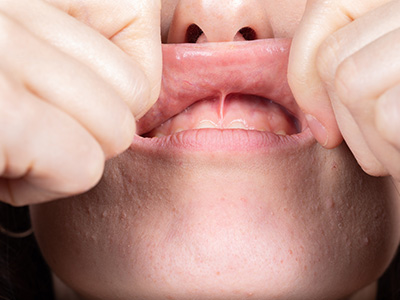
A frenum (plural: frena or frenula) is a small band of tissue that helps anchor parts of the mouth—most commonly the lips and tongue—to the gums or floor of the mouth. In typical development, these attachments are thin, flexible, and allow full, natural movement. When a frenum is unusually thick, short, or tethered in a way that restricts motion, it can interfere with function and oral development. A frenectomy is the surgical removal or modification of that tissue to restore normal movement and reduce related problems.
Although it sounds technical, a frenectomy is a straightforward concept: remove or reposition the restrictive tissue so a child can eat, speak, and grow without unnecessary limitation. For some patients, addressing a problematic frenum early prevents secondary issues such as difficulty breastfeeding, speech challenges, or gaps between front teeth. The decision to recommend a frenectomy is based on careful evaluation of how the frenum affects function and oral health rather than its appearance alone.
Parents and caregivers often notice symptoms long before a clinician does: trouble latching during infancy, limited tongue mobility when trying to stick out the tongue, or a persistent gap between the upper front teeth. These signs merit an assessment by a clinician experienced in pediatric oral development, who can determine whether a frenectomy is the most appropriate step to support healthy growth and function.
There are three frena commonly discussed in pediatric dentistry: the maxillary labial frenum (upper lip), the mandibular labial frenum (lower lip), and the lingual frenum (under the tongue). A high or bulky maxillary frenum can contribute to a diastema—a space between the two upper front teeth—while an unusually short lingual frenum, often called “tongue-tie,” can restrict tongue elevation and protrusion. Each location has its own pattern of potential effects and clinical considerations.
Not every atypical frenum requires surgery. Many frena are harmless and do not affect function or dental development. Intervention becomes relevant when the frenum demonstrably impairs feeding, speech, oral hygiene, or orthodontic tooth movement. For instance, a lingual restriction that limits tongue elevation can impact speech articulation or swallowing mechanics, and an upper labial attachment that tugs on the gums may increase the risk of tissue recession or impede tooth alignment.
Timing also matters. In infancy, the focus is often on feeding and latch; in older children, clinicians weigh speech development, oral hygiene, and orthodontic goals. A coordinated approach—sometimes involving pediatricians, lactation consultants, speech-language pathologists, and orthodontists—ensures the decision to perform a frenectomy is made with the child’s broader development in mind.
A careful clinical exam is the first step in evaluating frenal concerns. The clinician observes how the child uses their lips and tongue during common activities—smiling, speaking, swallowing, and eating—and measures the extent of tissue restriction. Diagnostic tools and simple functional tests help quantify limitations: for example, assessing how far the tongue can lift or protrude, or whether the frenum causes a visible tethering that alters typical movement.
History is equally important. Providers ask about feeding difficulties, speech milestones, dental eruption patterns, and any prior attempts at therapy. In many cases, conservative measures such as targeted stretching exercises or speech therapy are tried first, especially when restricted function may be improved without surgery. If progress is limited or functional problems persist, a frenectomy is considered as a definitive option.
Clear communication with families is central to the evaluation process. Parents receive a plain-language explanation of findings, the expected benefits of a frenectomy, and the non-surgical alternatives that may accompany or precede a procedure. This collaborative approach helps ensure that any intervention aligns with the child’s immediate needs and long-term oral development goals.
A frenectomy can be performed using traditional surgical instruments or modern soft-tissue lasers, depending on the clinician’s training, the child’s age and comfort, and the frenal anatomy. Both approaches aim to release restrictive tissue and, when needed, reposition the remaining tissue to reduce tension. Laser treatment often results in less bleeding and swelling and may shorten healing time, while conventional surgery remains a reliable option in many settings.
Procedures are typically brief and performed under local anesthesia in older children; for younger or anxious patients, the practice may offer mild sedation or behavior support to ensure a calm, safe experience. The clinician takes steps to minimize discomfort and explain what each child can expect before, during, and after the procedure so families feel prepared and reassured. Post-operative instructions emphasize gentle care, hygiene, and monitoring for normal healing.
After the frenectomy, targeted stretching or tongue mobility exercises are commonly recommended to prevent reattachment and support improved function. These exercises are simple and can be demonstrated in the office for parents to continue at home. In some cases, coordination with speech therapy or orthodontic follow-up helps maximize the functional and developmental benefits of the procedure.
Recovery from a frenectomy is usually quick. Most children experience mild soreness or tenderness for a few days, which responds to routine pediatric pain management and the care instructions provided by the clinician. Parents are advised on wound care, activity restrictions if any, and the signs of normal healing versus potential concerns that would merit a follow-up visit. Regular check-ins help ensure the healing process is progressing as expected.
The longer-term benefits of an appropriately timed frenectomy can be significant. Improved tongue mobility can support clearer speech, more effective swallowing patterns, and easier oral hygiene. When an upper labial frenum is contributing to a persistent gap, releasing the tissue can allow for natural closure or make future orthodontic treatment more predictable and stable. Importantly, the goal is to restore function and reduce the chance of future problems associated with restrictive tissue.
Outcomes depend on accurate diagnosis, a well-executed procedure, and appropriate aftercare. The practice emphasizes follow-up and collaboration with other providers when needed to support speech development and dental alignment. With timely intervention and proper support, most patients experience meaningful improvements that support everyday activities—from eating and speaking to maintaining a healthy smile.
At Myers Pediatric Dentistry & Orthodontics, our team approaches frenectomy evaluation and care with experience, clear communication, and a focus on each child’s overall development. If you have concerns about your child’s feeding, speech, or oral movement, contact us for more information and to discuss whether an evaluation is appropriate.


A frenectomy is a procedure to remove or modify a tight or restrictive band of tissue called a frenum that anchors the lips or tongue to the gums or floor of the mouth. When a frenum is unusually short, thick, or tethered it can limit normal movement and affect feeding, speech, or dental development. The primary goal of a frenectomy is to restore function so a child can eat, speak, and maintain oral hygiene without restriction.
Not every atypical frenum requires treatment, so clinicians focus on how the tissue affects daily function rather than its appearance alone. Early evaluation can prevent secondary problems such as difficulty breastfeeding, persistent speech issues, or a gap between the front teeth. When an exam shows functional limitation, a frenectomy becomes a practical option to support healthy development.
Common signs vary with age but often include trouble latching during infancy, difficulty elevating or protruding the tongue, or a visible gap between the upper front teeth. Older children may have speech articulation concerns, trouble clearing food from the front of the mouth, or persistent plaque buildup because limited movement interferes with cleaning. Parents sometimes notice a tethered appearance when the child tries to stick out the tongue or when the upper lip pulls tightly against the gums while crying or smiling.
Because these signs can have multiple causes, a clinical assessment is important to determine whether the frenum is the primary issue. Providers will consider feeding history, speech milestones, and dental eruption patterns when deciding if a frenectomy is appropriate. Early consultation with a pediatric dental provider or a multidisciplinary team helps families understand whether observation, therapy, or a procedure is the best next step.
The most commonly discussed frena in pediatric care are the maxillary labial frenum (upper lip), the mandibular labial frenum (lower lip), and the lingual frenum (under the tongue). A high or bulky upper labial frenum can contribute to a diastema between the front teeth or tug on the gums, while an unusually short lingual frenum, often called tongue-tie, can restrict tongue elevation and articulation. Each location has distinct functional implications and is evaluated according to how movement and development are affected.
Treatment is reserved for frena that demonstrably impair feeding, speech, oral hygiene, or orthodontic goals rather than for purely cosmetic concerns. Sometimes conservative measures like stretching exercises or therapy are tried first, particularly when function may improve without surgery. When non-surgical approaches do not resolve functional limitations, a targeted frenectomy addresses the specific anatomic restriction.
An evaluation begins with a careful clinical exam that observes how the child uses the lips and tongue during eating, swallowing, smiling, and speaking. Providers measure functional limits by assessing tongue elevation, protrusion, and the effect of the frenum on lip movement and tooth position, and they review feeding history and developmental milestones. Simple functional tests and clear documentation help determine whether the frenum is causing meaningful impairment.
History and collaboration are important parts of the assessment, so clinicians often coordinate with pediatricians, lactation consultants, and speech-language pathologists when appropriate. Many teams trial conservative interventions like stretching or feeding strategies before recommending surgery, especially in infants. When functional deficits persist despite non-surgical care, the clinician will discuss the expected benefits and the recommended next steps.
Frenectomies can be performed using traditional surgical instruments or modern soft-tissue lasers, and both approaches effectively release restrictive tissue when performed correctly. Laser treatment commonly reduces bleeding and swelling, may shorten healing time, and can be more comfortable for some patients, while conventional scalpel techniques are reliable and appropriate in many clinical scenarios. The choice of technique depends on the child’s age, anatomy, clinician training, and the specific goals of the procedure.
Regardless of method, the procedure focuses on releasing tension and, when needed, repositioning remaining tissue to minimize reattachment and support function. Procedures are typically brief and performed with appropriate anesthesia or calming support to ensure patient comfort. After the release, clinicians routinely demonstrate simple exercises to maintain mobility and reduce the risk of scar tissue formation.
When performed by a trained pediatric dental provider, a frenectomy is generally safe and well tolerated, with most patients experiencing only mild and temporary soreness. Possible risks include bleeding, infection, scarring, or incomplete release that could require additional care, but these outcomes are uncommon with careful technique and proper aftercare. Clinicians minimize risk through thorough evaluation, appropriate anesthesia choices, and clear post-operative instructions.
Families receive guidance on signs that warrant follow-up, such as persistent bleeding, fever, or unusual pain, and the practice schedules check-ins to monitor healing. The likelihood of complications is reduced when the decision to treat is based on functional need and when recommended rehabilitation exercises are followed. Open communication with the dental team ensures prompt attention if concerns arise during recovery.
Pain and anxiety are managed according to the child’s age, temperament, and the extent of the procedure; options include local anesthesia, gentle behavior guidance, or mild sedation for younger or particularly anxious patients. For most older children a local anesthetic is sufficient, and the team explains each step in child-friendly terms to reduce fear and build cooperation. The clinical environment is designed to be calming and supportive so children feel safe throughout the visit.
After the procedure, routine pediatric analgesics and simple home care measures are typically effective for soreness, and staff provide clear instructions for comfort and wound care. The care team also demonstrates mobility exercises and uses positive reinforcement to encourage participation in aftercare. If sedation is recommended, families receive a detailed plan and pre- and post-procedure instructions to ensure safety.
Recovery is usually quick, with most children experiencing only mild tenderness for a few days and steady improvement thereafter. Parents are given wound-care instructions, a schedule for gentle stretching or tongue mobility exercises, and guidance on normal signs of healing versus symptoms that require follow-up. Keeping the area clean and following prescribed exercises helps prevent reattachment and supports improved function.
Follow-up visits allow the clinician to confirm appropriate healing and to adjust the aftercare plan if needed, and coordination with speech therapy or orthodontics may be arranged when indicated. Consistent home practice of recommended exercises is often an important part of a successful outcome. Regular communication with the office ensures any questions or concerns are addressed promptly during the recovery period.
A frenectomy can improve the mechanical limitations that interfere with speech or tooth movement, but additional therapies are sometimes needed to achieve optimal results. Speech therapy may be recommended when articulation patterns have developed around restricted movement and require retraining, and orthodontic treatment may be part of a long-term plan if tooth alignment was affected by the frenum. The need for these services is determined on a case-by-case basis after evaluating function and developmental progress.
Many clinicians take a multidisciplinary approach, referring to speech-language pathologists or orthodontists when appropriate to support the child’s overall outcomes. Early coordination and clear goals help families understand what to expect and how different therapies can complement the benefits of a frenectomy. Ongoing monitoring ensures that any necessary referrals are made in a timely manner to support speech development and dental alignment.
At Myers Pediatric Dentistry & Orthodontics the team emphasizes clear communication, thorough evaluation, and coordinated follow-up to support each child’s developmental needs. The office works collaboratively with pediatricians, lactation consultants, speech-language pathologists, and orthodontists when necessary to create a comprehensive plan that addresses feeding, speech, and dental goals. Families receive a plain-language explanation of findings, the recommended plan of care, and specific aftercare instructions to support healing and function.
Scheduled follow-up visits monitor healing and functional improvements, and the team adjusts recommendations based on the child’s progress and any additional needs. If therapy or orthodontic referral is indicated, the practice helps facilitate those connections and communicates with outside providers as needed. This coordinated approach ensures that the frenectomy is integrated into a broader plan for the child’s oral and developmental health.

Ready to schedule your child’s next dental visit or have questions about our services?
Contacting Myers Pediatric Dentistry & Orthodontics is simple! Our friendly team is here to help with scheduling appointments, explaining treatments, and answering any questions you may have. Whether you’d like to call, email, or use our easy online form, we’re ready to make your child’s dental experience positive and stress-free. Reach out today and give your little one a healthy, happy smile!

Back to top