New Patients
Existing Patients
New Patients
Existing Patients
New Patients
Existing Patients
New Patients
Existing Patients


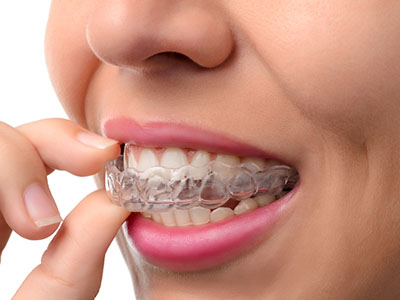
Clear, removable, and precisely engineered, Invisalign® aligners offer a modern approach to straightening teeth with minimal disruption to daily life. Designed for predictable tooth movement, the system blends advanced digital planning with comfortable, nearly invisible trays — an attractive option for families seeking orthodontic care that fits into school, sports, and active routines. At Myers Pediatric Dentistry & Orthodontics, we help parents and young patients understand how Invisalign® works and whether it fits their smile goals.

Invisalign® for Teens

Invisalign® for Brides

Invisalign® for Travelers
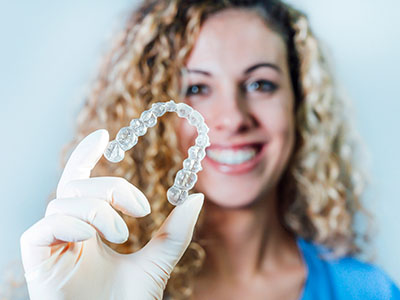
Before & After Photos
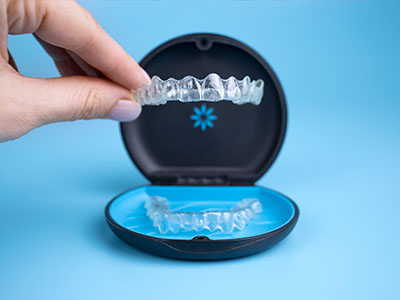
Invisalign® Videos
FAQs
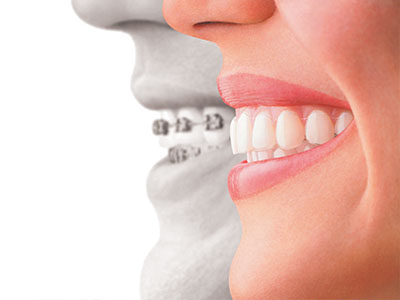
Invisalign® vs Braces
Invisalign® vs Direct-To-Consumer Aligners
Is Invisalign® Right For Me?

Invisalign® Costs
When evaluating clear aligner therapy, reliable resources make a difference. Clinicians and families can review clinical summaries, manufacturer information, and succinct educational materials to get a clear sense of indications, clinical workflow, and expected outcomes. These resources complement a clinical consultation and help set realistic expectations for treatment planning and monitoring.
Technical overviews, patient guides, and interactive tools explain how aligners are designed, how often trays should be changed, and how progress is tracked. They also describe the types of alignment issues that respond well to aligner therapy and the situations where in-office monitoring or adjunct appliances may be necessary.
Keep in mind that digital tools and manufacturer portals are intended to support the dentist’s treatment plan rather than replace an individualized clinical assessment. A consultation provides the personalized context needed to interpret general materials and determine whether Invisalign® is an appropriate match for a child’s or teen’s orthodontic needs.
At the heart of Invisalign® treatment is a digital treatment plan created from a 3-D scan of the patient’s teeth. Using that scan, the clinician and the software collaborate to map a series of small, controlled movements that move teeth from their starting positions to the planned final alignment. Each set of aligners applies targeted forces to guide specific teeth in small increments.
The stepwise nature of clear aligner therapy allows for close control of tooth trajectories and predictable progression through a planned sequence. Clinicians use the digital model to anticipate tooth biomechanics, plan necessary attachments or auxiliaries, and stage movements that are most efficient and safe for growing smiles.
Because the process is digital from the beginning, patients can often preview a simulated outcome before treatment begins. This visualization helps families understand the proposed stages of treatment and clarifies what to expect as the aligner series progresses toward the final prescription.
Initial visits typically include a careful clinical exam, a digital scan, and a conversation about goals and expectations. From the scan, a customized treatment proposal is produced that outlines how many aligners and stages are anticipated, along with any recommended attachments or interproximal adjustments to optimize results.
Once treatment begins, patients wear each aligner for a prescribed interval while maintaining routine dental hygiene and regular check-ins. These follow-up visits allow the clinician to verify progress, make any necessary refinements, and ensure that oral health remains stable throughout tooth movement.
Compliance matters: because aligners are removable, consistent wear during waking and sleeping hours is essential for achieving the planned outcome. With good adherence, Invisalign® can move teeth efficiently while preserving oral hygiene and minimizing interruptions to everyday activities.
One of the most practical advantages of clear aligners is their removability, which supports easier brushing and flossing compared with fixed brackets. This is especially valuable for children and teens who are active in sports or who have concerns about dietary restrictions common with metal braces. Aligners help maintain better day-to-day oral hygiene while treatment is underway.
Comfort and aesthetics are also strong considerations for many families. Smooth, custom-fit trays reduce the risk of soft-tissue irritation, and the low visibility of clear aligners often helps teens feel more confident during social and school activities. For parents, the ability to inspect and maintain oral health during treatment provides added reassurance.
From a clinical standpoint, aligners can be adapted to address a range of alignment and bite issues when planned carefully. Attachments, elastics, and staged movements allow clinicians to expand the types of tooth movements that aligners can accomplish, making them a versatile tool in pediatric and adolescent orthodontic care.
The practical workflow for Invisalign® begins with a comprehensive assessment that considers dental development, existing restorations, and overall oral health. If aligner therapy is appropriate, a precise digital record is created and used to design the individualized treatment plan. That plan becomes the roadmap for each aligner in the series.
During treatment, routine monitoring focuses on verifying aligner fit, tracking movement milestones, and addressing any bite or eruption-related considerations that arise in growing patients. Adjustments to the plan can be made if needed, ensuring the path to alignment remains efficient and clinically sound.
Completion includes final refinement and the prescription of retainers or other retention strategies to stabilize the new tooth positions. Post-treatment care is an important phase of the process and helps protect the investment of time and effort that went into achieving the corrected alignment.
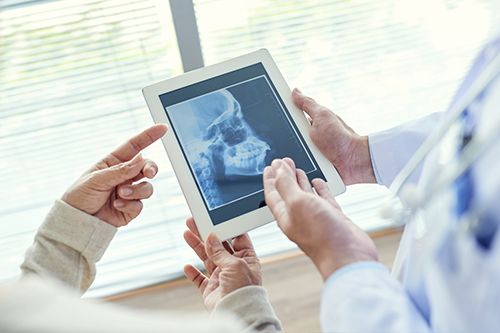
We begin with a focused exam and a digital scan to understand tooth positions, growth patterns, and any restorative needs. This visit sets the clinical foundation for a personalized plan.
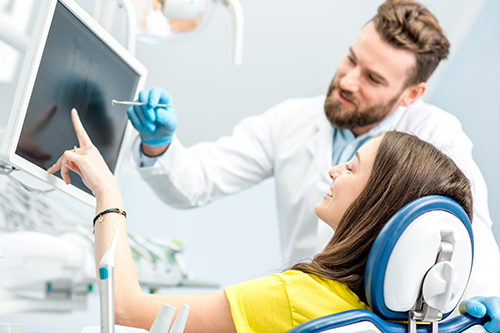
Your clinician will present a stepwise plan that describes staged movements and any recommended auxiliaries. Visual simulations help families see anticipated changes over time.
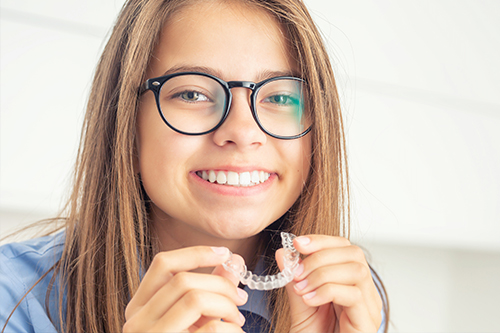
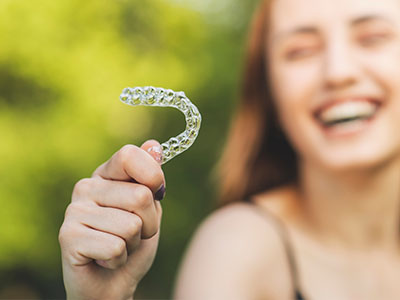
Aligners are manufactured to the precise specifications of the digital plan. They are comfortable, discrete, and designed to advance tooth positions in controlled increments.

Throughout treatment, your child will see the clinician for progress checks. Once the desired alignment is reached, a retention strategy will help maintain long-term results.
Watch short videos that explain how aligners function and how clinicians manage common scenarios during treatment.
*Invisalign® is a registered trademark of Align Technology, Inc.
In summary, Invisalign® blends digital planning and custom trays to offer a thoughtful, patient-friendly approach to orthodontic care. If you’d like to learn whether clear aligner therapy is a suitable option for your child, contact Myers Pediatric Dentistry & Orthodontics for more information and to schedule a consultation.
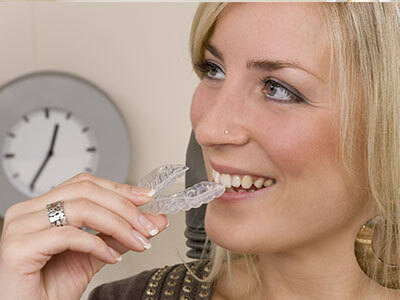

Invisalign® is a clear aligner system that straightens teeth using a series of custom-made, removable trays. Each tray is fabricated to apply light, controlled forces that move teeth incrementally according to a clinician-approved digital plan. Because movement is staged, clinicians can shape trajectories and predict outcomes more precisely than with one-time adjustments.
Treatment begins with a 3-D scan and a clinician-guided simulation that maps the sequence of movements from the starting position to the planned finish. Patients change aligners on a prescribed schedule so the teeth continue to track the treatment plan, and attachments or auxiliaries can be added to address specific movements or bite considerations. Once active alignment is complete, retainers are used to stabilize the result and protect the investment of time and care.
Good candidates for Invisalign® typically include children, teens, and adults with mild to moderate crowding, spacing, or certain bite issues that respond well to removable aligner therapy. A thorough clinical assessment will consider dental development, eruption patterns, existing restorations, and oral health to determine suitability. Growing patients may require special staging to account for tooth eruption or mixed dentition phases.
Some complex movements may still be managed predictably with aligners when planned with attachments, elastics, or other auxiliaries, while other situations are better served by fixed appliances or a hybrid approach. The clinician’s evaluation and digital treatment planning are essential to determine whether Invisalign® can achieve the desired outcome safely and efficiently. Regular monitoring during growth helps ensure outcomes remain on track and allows timely adjustments.
Digital treatment planning begins with a clinical exam and a 3-D intraoral scan that captures precise tooth and arch relationships. Using the scan, software and the clinician collaborate to design a sequence of controlled tooth movements and to simulate anticipated results so families can visualize the proposed progression. The plan also identifies necessary auxiliaries, attachments, and any interproximal adjustments to optimize movement.
Because the workflow is digital, the series of aligners is manufactured to the exact specifications of the plan and delivered in stages for predictable progression. Clinicians review and refine the plan before manufacturing and maintain oversight throughout treatment to confirm that movement follows the intended path. If refinements are needed, additional aligners or adjustments can be incorporated to fine-tune results.
Initial visits include a focused clinical exam, a digital scan, and an in-depth discussion of goals, expectations, and any restorative or growth-related concerns. The clinician will review the simulation, explain the number of stages anticipated, and describe any attachments or interproximal adjustments that may be recommended. This visit establishes the clinical foundation for a personalized treatment plan.
Once aligners are delivered, the patient receives instructions on wear time, hygiene, and care, and a follow-up schedule is established for progress checks. Early appointments verify fit and adaptation, while later visits confirm that movements are tracking as planned and allow the clinician to address any emerging bite or eruption issues. Clear communication between family and clinician helps ensure a smooth progression through each stage.
Treatment duration varies by case complexity, the amount of tooth movement required, and patient compliance, with many pediatric and adolescent cases completing within a timeframe comparable to traditional orthodontics for similar issues. The digital plan provides an estimated number of stages and an expected timeline, but growth, eruption, and biological response can influence the final duration. Clinicians monitor progress and may adjust the plan or add refinements if additional movement is needed.
Active aligner wear is only part of the overall timeline, as retention after active treatment is essential to maintain results. For growing patients, long-term follow-up and appropriate retention strategies help manage changes that occur with facial growth and dental development. Regular check-ins also let clinicians intervene promptly if tooth or eruption patterns change during or after treatment.
Compliance is critical because clear aligners are removable and their effectiveness depends on consistent wear during the prescribed hours each day. Most clinicians recommend wear for the majority of waking hours and during sleep, with only brief removal for eating and oral hygiene, to maintain the planned force levels and keep movement on schedule. Inconsistent wear can delay results or create unpredictable movement that requires refinements.
Parents and patients should establish routines for inserting and removing trays, cleaning aligners, and tracking wear time to support successful outcomes. Regular check-ins with the clinician provide accountability and allow professionals to address fit issues, soreness, or questions about hygiene. Good adherence not only speeds progress but also helps preserve oral health during treatment.
Because aligners are removable, patients can brush and floss normally during treatment, which often improves daily oral hygiene compared with fixed braces. It is important to remove aligners before eating and to rinse or brush teeth prior to reinserting them so food particles and sugars are not trapped against tooth surfaces. Aligners should be cleaned regularly with recommended methods to prevent staining and bacterial buildup.
While aligners allow a less restricted diet than fixed appliances, patients must practice consistent removal and insertion habits to avoid losing trays or delaying treatment. Parents should supervise younger patients as needed to ensure proper hygiene routines are followed and that aligners are stored safely when not in use. Clear hygienic practices help protect enamel and gums throughout the alignment process.
Attachments are small tooth-colored shapes bonded to select teeth that give aligners a better grip and enable more complex movements, such as rotations or extrusions, that are difficult with aligner material alone. Auxiliaries can include elastic bands, temporary anchorage devices, or other adjuncts that assist specific tooth movements or control bite relationships. The treatment plan will note when and where these components are recommended to achieve planned biomechanics.
The clinician determines the type and timing of attachments and auxiliaries during the planning phase and adjusts them as treatment progresses. Proper placement and patient cooperation with auxiliaries are important for predictable results, and clinicians review care instructions during appointments. These tools expand the types of movements that aligners can accomplish while maintaining a conservative, minimally invasive approach.
Most patients find aligners comfortable because they are made from smooth, custom-fit material that reduces soft-tissue irritation compared with bracket-and-wire systems. Mild soreness or pressure is common when switching to a new tray as teeth adjust to the next stage, and over-the-counter pain relievers and soft foods can manage temporary discomfort. If sharp edges or persistent soreness occur, the clinician can make adjustments to improve fit and comfort.
From a safety standpoint, aligner therapy requires a careful clinical assessment to confirm there are no contraindications such as untreated decay, active periodontal disease, or inappropriate eruption patterns. Regular monitoring ensures that tooth movement proceeds within safe limits and that oral health remains stable throughout treatment. When clinicians plan thoughtfully and families follow care instructions, Invisalign® offers an effective and patient-friendly orthodontic option.
To determine whether Invisalign® is appropriate, schedule a consultation that includes a clinical exam and a 3-D scan so the clinician can evaluate dental development, bite relationships, and any restorative considerations. During the visit the clinician will review a personalized treatment simulation, explain recommended staging or auxiliaries if any, and describe the monitoring schedule to track progress. This appointment creates a clear clinical pathway tailored to your child’s needs.
Families in the Jacksonville and Middleburg area may contact Myers Pediatric Dentistry & Orthodontics to arrange an evaluation with one of our doctors and learn more about the Invisalign® process. The consultation helps parents understand expected outcomes, retention strategies, and the steps involved in starting treatment so decisions are made with clinical clarity and confidence.

Ready to schedule your child’s next dental visit or have questions about our services?
Contacting Myers Pediatric Dentistry & Orthodontics is simple! Our friendly team is here to help with scheduling appointments, explaining treatments, and answering any questions you may have. Whether you’d like to call, email, or use our easy online form, we’re ready to make your child’s dental experience positive and stress-free. Reach out today and give your little one a healthy, happy smile!

Back to top