New Patients
Existing Patients
New Patients
Existing Patients
New Patients
Existing Patients
New Patients
Existing Patients


Every parent wants a confident, healthy smile for their child. Regular oral exams are the foundation of that outcome: they help catch small issues before they become big problems, reinforce good daily habits, and give families a clear plan for long-term oral health. At Myers Pediatric Dentistry & Orthodontics, we approach these visits with the experience and patience needed to make them positive, productive moments in a child’s care journey.
Oral exams are more than a quick look inside the mouth. They combine clinical observation, discussion with parents, and—when appropriate—diagnostic imaging to form a complete picture of a child’s oral development. The goal is to protect teeth and gums, support proper growth, and give parents practical guidance they can use at home.
Children’s mouths change quickly. New teeth erupt, baby teeth are lost, and permanent teeth move into place—all within a relatively short span of a few years. Routine oral exams let clinicians track these changes closely so they can identify patterns that may affect alignment, bite function, or oral health. Early detection of decay, gum issues, or developmental concerns means simpler, less invasive care for the child.
Professional exams also create a baseline for each child’s dental health. By documenting a child’s condition over time, the dental team can spot subtle trends—like changes in enamel wear or shifts in jaw development—that may not be obvious at home. That continuity of care supports timely interventions and helps avoid surprises down the road.
National organizations recommend periodic preventive visits to maintain oral health and catch early signs of trouble. During these visits, parents can expect clear guidance about what to watch for between appointments and how to tailor daily hygiene and nutrition to their child’s developmental stage.
A comprehensive oral exam goes beyond counting teeth. It begins with a review of the child’s medical and dental history to identify any conditions or medications that could affect care. The clinician then performs a careful inspection of the teeth, gums, tongue, palate, and soft tissues, checking for signs of decay, inflammation, or injury.
Exams also assess bite relationships and jaw growth. For young patients, monitoring how the upper and lower teeth meet—along with the way the jaw develops—helps detect early orthodontic concerns that are best addressed while the face and bones are still growing. When necessary, the team will recommend targeted imaging to evaluate unerupted teeth, root development, or the health of supporting structures.
Behavioral and functional observations are part of the process as well. Clinicians look for signs of tongue thrusting, speech-related issues, swallowing patterns, or habits like thumb-sucking that can influence development. Those findings guide individualized recommendations for monitoring or intervention.
Professional cleanings remove plaque and debris from areas that are difficult to reach with routine home care—especially between teeth and along the gumline. For children, a gentle cleaning helps reduce the bacterial load that leads to cavities and gum irritation, while also serving as an opportunity to demonstrate proper brushing and flossing techniques for both kids and parents.
During or after the cleaning, the team may provide preventive measures such as topical fluoride applications and dental sealants. Fluoride strengthens enamel and helps resist decay, while sealants create a protective barrier over chewing surfaces where pits and grooves can trap food. These treatments are applied selectively based on the child’s risk profile and developmental stage.
Education is a fundamental part of preventive care. The dental team gives age-appropriate instructions on home oral hygiene, recommends effective tools for brushing and flossing, and discusses sensible snack and beverage choices. These practical tips support long-term habits that protect teeth between visits.
Close monitoring during routine exams allows clinicians to identify early signs of malocclusion, crowding, or delayed eruption. When discovered early, many conditions can be managed with simple preventive steps or timely, conservative interventions that reduce the need for more extensive treatment later on. The practice of interceptive care focuses on guiding growth in ways that promote proper function and alignment.
Oral exams are also a chance to evaluate and document dental injuries or wear patterns that may indicate a need for protective measures—such as mouthguards for sports—or further assessment. Tracking these changes over time helps the team recommend the right moment for any necessary treatment so it aligns with the child’s development.
For children with special healthcare needs or complex medical histories, exams are tailored to account for unique challenges. The dental team coordinates with caregivers and other healthcare professionals as needed to ensure safe, effective monitoring and to create a realistic care plan that fits each child’s circumstances.
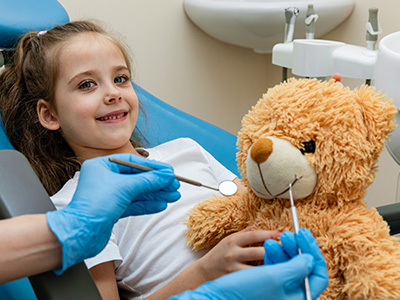
Positive early experiences at the dental office influence a child’s attitude toward oral care for years to come. The dental team focuses on clear communication, gentle techniques, and small steps that build trust. From explaining each part of the exam in kid-friendly terms to offering practical demonstrations, the goal is to make visits predictable and reassuring for young patients.
Parents are active partners during every visit. Clinicians take time to answer questions, address concerns about habits or diet, and provide realistic strategies families can use at home. This collaborative approach helps parents feel confident in their role while reinforcing the child’s understanding of why oral care matters.
When follow-up care is needed, the team outlines options and timelines in plain language so families can make informed decisions. Emphasizing prevention and early action, the practice seeks to minimize discomfort and disruption while optimizing long-term oral health.
In summary, regular oral exams are a practical, proactive way to protect your child’s smile, support healthy development, and build positive habits that last a lifetime. If you have questions about what to expect during an exam or would like more information about our approach, please contact us for additional details.


Routine oral exams are typically scheduled every six months to maintain a clear record of dental development and to catch early signs of decay or alignment issues. Regular visits let clinicians compare current findings with previous exams so subtle changes in enamel, eruption patterns, or jaw growth are not missed. Preventive visits also give parents timely guidance on hygiene and nutrition tailored to each stage of growth.
Certain children may need more frequent monitoring based on their caries risk, orthodontic concerns, or medical history, and the dental team will recommend a personalized interval. Young children, those with special healthcare needs, or patients with a history of rapid decay often benefit from closer follow-up. Your child’s exam schedule should be based on clinical findings and professional recommendations rather than a fixed calendar alone.
A thorough oral exam begins with a review of medical and dental history to identify medications, allergies, or conditions that could affect care. The clinician performs a careful inspection of the teeth, gums, tongue, palate, and other soft tissues, checking for signs of decay, inflammation, injury, or developmental concerns. Bite relationships and jaw growth are assessed to detect early orthodontic issues and to monitor how primary and permanent teeth are erupting.
Behavioral and functional observations are part of the visit, including evaluation of swallowing, tongue posture, speech-related patterns, and oral habits like thumb-sucking. When indicated, targeted imaging is used to evaluate unerupted teeth, root development, or supporting structures with minimal exposure thanks to modern digital radiography. The exam concludes with a summary for parents and specific recommendations for any needed preventive or restorative care.
Professional guidelines recommend a child see a dentist by their first birthday or within six months after the first tooth erupts to establish a dental home and baseline for care. Early visits focus on prevention, getting the child comfortable with the dental setting, and educating caregivers about feeding, cleaning, and injury prevention. Setting a baseline early allows the dental team to track growth and development from the start.
Starting visits at a young age also helps identify issues such as early childhood caries, enamel defects, or abnormal eruption patterns that are easier to manage when addressed promptly. Early appointments are brief and gentle, emphasizing familiarization rather than extensive treatment whenever possible. Families are encouraged to bring any concerns about feeding, pacifier use, or oral habits to these early visits so the team can provide practical guidance.
X-rays are used selectively and only when they will provide information that affects diagnosis or treatment planning, such as detecting cavities between teeth, evaluating root development, or assessing unerupted permanent teeth. Modern pediatric practices use digital radiography to minimize radiation exposure while obtaining the detailed images clinicians need. The decision to take x-rays is based on the child’s risk factors, eruption stage, and clinical findings rather than routine scheduling.
When imaging is recommended, the dental team explains the purpose, benefits, and safety measures so parents can make an informed choice. Frequency varies by age and risk profile; for example, children with high cavity risk or mixed dentition may need periodic monitoring with x-rays. If x-rays are not needed, clinicians rely on visual exams and other noninvasive assessments to guide care.
Topical fluoride applications and dental sealants are common preventive therapies offered during or after an exam to strengthen enamel and protect vulnerable chewing surfaces. Fluoride helps remineralize enamel and reduce the risk of decay, while sealants create a physical barrier over pits and grooves that trap food and bacteria. These measures are typically applied selectively based on each child’s caries risk and developmental stage.
The dental team will explain why a preventive treatment is recommended and how it complements good home care and diet. Parents receive guidance on proper brushing with fluoride toothpaste at home, along with advice about snacks and beverages that support enamel health. Preventive treatments are part of a broader plan that emphasizes regular monitoring and early intervention to avoid more extensive care later on.
Yes, oral exams include screening for orthodontic concerns such as early signs of crowding, crossbite, overbite, or uneven jaw growth, since many orthodontic issues are easier to address while the face and jaws are still developing. Clinicians observe how the upper and lower teeth meet, track the timing of permanent tooth eruption, and note any habits that could influence alignment. Early identification allows for timely referrals or interceptive measures that can guide growth and reduce the need for more complex treatment later.
If an orthodontic concern is identified, the dental team will discuss appropriate options and timing, which may range from simple monitoring to early interceptive care. These recommendations are individualized to the child’s growth pattern and dental development. When specialized treatment is indicated, the office coordinates with orthodontic professionals to create a clear plan aligned with the child’s stage of growth.
Oral exams for children with special healthcare needs are tailored to each child’s medical history, sensory preferences, and behavioral cues to ensure safe, effective care. The dental team collaborates with caregivers and other healthcare providers to understand any medical or physical limitations, communication needs, and strategies that make visits successful. Appointments may be scheduled at quieter times, lengthened to allow breaks, or structured to use familiarization steps that reduce anxiety.
Clinicians employ behavior guidance techniques, visual supports, and individualized desensitization plans when appropriate, and they document accommodations that support consistent care. Coordination with pediatricians, therapists, or specialists ensures that oral health care aligns with the child’s overall health plan. The goal is to provide preventive and diagnostic services while respecting each family’s needs and preferences.
Preparation starts at home by maintaining regular brushing habits and talking about the visit in positive, age-appropriate language to set expectations without creating fear. Bring the child’s medical and dental history, a list of current medications, and any questions you want to discuss with the dental team. Scheduling the appointment at a time when your child is typically alert and cooperative—such as after a nap—can help the visit proceed more calmly.
Comfort items, like a favorite toy or blanket, can help younger children feel secure in the office, and parents should plan to be present to offer reassurance during the exam. Practicing open-mouth counting or gentle tooth brushing together can familiarize the child with the sensations they might experience. Communicate any previous dental experiences or unique needs to the staff when you check in so the team can tailor the approach from the start.
You should contact the dental office promptly if your child experiences tooth pain, swelling, persistent bleeding, or facial trauma, as these symptoms may indicate infection or injury that requires timely evaluation. Other reasons to call include a loose tooth that seems out of the normal sequence, a broken filling or crown, or sudden changes in swallowing, speech, or breathing that could be related to oral structures. Early assessment helps reduce the likelihood of worsening problems and guides appropriate next steps.
Additionally, if you notice white or brown spots on teeth, persistent bad breath, or sores that do not heal within a few days, schedule an appointment to have these areas examined. The dental team can determine whether intervention is needed and provide short-term measures to manage discomfort. For any concern, the office staff can advise whether the issue requires same-day attention or a routine appointment.
After the exam the clinician will summarize findings, explain any preventive or restorative recommendations, and provide a clear plan for follow-up care, which may include a professional cleaning, topical fluoride, sealants, or a monitoring schedule. Parents receive practical instructions for home care and guidance on when to schedule the next visit based on risk and developmental timing. If further evaluation or specialist referral is needed, the team outlines the reasons and next steps in plain language so families can make informed decisions.
At Myers Pediatric Dentistry & Orthodontics, follow-up appointments and communication are coordinated to minimize disruption to the child’s routine while supporting long-term oral health. The practice documents each visit to create a consistent record that helps clinicians spot changes over time and adjust care plans as needed. Families are encouraged to call with questions between visits so the team can provide ongoing support and clarify any instructions from the exam.

Ready to schedule your child’s next dental visit or have questions about our services?
Contacting Myers Pediatric Dentistry & Orthodontics is simple! Our friendly team is here to help with scheduling appointments, explaining treatments, and answering any questions you may have. Whether you’d like to call, email, or use our easy online form, we’re ready to make your child’s dental experience positive and stress-free. Reach out today and give your little one a healthy, happy smile!

Back to top