New Patients
Existing Patients
New Patients
Existing Patients
New Patients
Existing Patients
New Patients
Existing Patients


When a child loses a primary tooth earlier than expected or shows early signs of crowding, a lingual arch can be a simple and effective solution. This fixed appliance sits along the tongue side of the lower teeth and anchors to the back molars, creating a stable bar that resists forward drift. By holding space where it’s needed, the lingual arch helps guide the permanent teeth into their intended positions as the jaw grows.
Placement is straightforward and typically requires only an impression and a short appointment to cement the appliance in place. Because the lingual arch is fixed, it works continuously without relying on the child to remember to wear it. The design is low-profile so most children adapt quickly and continue normal eating and speaking soon after placement.
Follow-up visits are important to monitor growth and make adjustments if necessary; the appliance is removed once the risk of space loss has passed or when the permanent teeth are erupting into appropriate positions. At Myers Pediatric Dentistry & Orthodontics, our team evaluates each child individually to determine whether a lingual arch is the right preventive measure for their stage of development.
Multi-spring appliances are removable devices built to deliver light, focused forces to specific teeth. They’re particularly useful when small shifts are needed — for example, to close gaps between front teeth, nudge a single tooth into alignment, or create a bit more room for an erupting permanent tooth. The springs are calibrated to apply gradual pressure so movement is gentle and controlled.
Because these appliances are removable, they require cooperation with wearing and proper care. Patients (and parents) are given clear instructions on when and how long to wear the appliance each day, how to clean it, and what to do if it feels uncomfortable. Regular checkups allow the clinician to track progress and tweak spring settings or the plan as needed.
Multi-spring devices offer a conservative option when full braces aren’t yet necessary or when a minor correction will improve function and long-term alignment. They can be an excellent interim tool during mixed dentition — the phase when baby and permanent teeth coexist.
A palatal expander is used to widen the upper jaw in children whose upper dental arch is too narrow compared with the lower arch. The appliance fits across the roof of the mouth and applies lateral force to the mid-palatal suture. In growing patients, this gentle pressure separates the suture slightly and stimulates bone to form, increasing arch width and creating room for permanent teeth.
Expansion can improve bite relationships, reduce crossbites, and help prevent severe crowding that would otherwise require more complex treatment later. Most expanders have an activation protocol — a small adjustment made at home or in-office — that gradually increases width over several weeks. Treatment is typically most predictable when started before the suture fuses, which is why early evaluation is important.
Patients and families receive step-by-step guidance for activation, hygiene, and what to expect during the process. Follow-up appointments ensure the expansion is progressing as planned, and once the desired width is achieved, a retention phase helps stabilize the result while new bone fills in.
Retainers are the final, essential step after active orthodontic correction. Their purpose is straightforward: maintain the corrected tooth positions while the surrounding bone and soft tissues adapt. Without retention, teeth have a natural tendency to drift back toward their original places, so wearing a retainer as directed is critical to preserving the benefits of treatment.
There are several retainer styles — removable clear or Hawley types, and bonded (fixed) retainers glued behind the teeth — and your child’s provider will recommend the best option based on the correction achieved and the patient’s age. Early on, full-time wear is common; over time this usually transitions to nighttime wear to safeguard the long-term result.
Care and maintenance are simple but important: removable retainers should be cleaned daily and stored safely when not in use, while bonded retainers are checked at routine visits for any loosening. The practice provides clear instructions so families understand the role of retention in protecting a child’s new smile.
When a primary tooth is lost prematurely, neighboring teeth can drift into the empty space and leave insufficient room for the permanent successor. Space maintainers are designed to preserve that gap until the permanent tooth is ready to erupt. Depending on age and dental development, the appliance can be fixed or removable and is customized to the child’s mouth.
Fixed space maintainers are commonly used in younger children because they’re durable and don’t rely on patient compliance. Removable options may be chosen when appropriate for older children who can handle cleaning and responsible wear. The primary goal is to avoid future crowding or misalignment by keeping the eruption path clear.
Monitoring is important: as the permanent tooth begins to emerge, the clinician will assess whether the maintainer should be adjusted or removed. By preserving space early, these appliances can simplify or even reduce the extent of orthodontic work needed later.
A spring digitalizer is a specialized appliance used when a newly forming molar becomes trapped beneath or behind a primary tooth and needs gentle guidance to erupt correctly. The device uses a small, strategically placed spring to apply light upward or outward force, encouraging the trapped molar to move into its natural eruption path.
The approach minimizes trauma to adjacent teeth and reduces the likelihood of impacted or misaligned molars. Because the movement required is typically small but precise, this solution focuses on targeted correction rather than broad arch changes. The appliance is monitored closely to ensure timely progress and to avoid unnecessary forces.
Parents are informed about what to expect during treatment — minor sensitivity as the tooth adjusts and routine follow-ups to check eruption. When successful, a spring digitalizer can prevent more invasive interventions and help maintain healthy development of the back teeth.
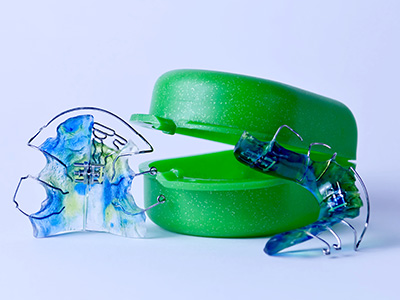
A spring Hawley retainer combines the traditional Hawley retainer with small spring elements to address minor rotations or slight crowding after orthodontic work. Unlike full braces, these retainers are intended for subtle, controlled movements that refine tooth position without reinitiating comprehensive treatment.
Because they are adjustable and removable, spring Hawleys offer flexibility: the springs can be activated or relaxed at follow-up visits to continue gentle guidance until the tooth settles in the ideal orientation. This makes them a practical option for finishing touches when the major alignment work is complete.
Patients benefit from straightforward care instructions and regular monitoring to ensure the spring action remains effective. When used as part of a carefully planned follow-up strategy, spring Hawley retainers help lock in results and contribute to a polished, stable outcome.
Orthodontic appliances come in many forms, each designed to address specific challenges during a child’s dental development — from preserving space and guiding erupting teeth to expanding the jaw and protecting finished results. Understanding how an appliance works, why it’s recommended, and what to expect helps families make informed choices about their child’s care.
If you’d like more information about any of these appliances or how they might apply to your child, please contact us for more information. Our team is available to explain options, walk through the process, and schedule an evaluation when you’re ready.


A lingual arch is a fixed orthodontic appliance that sits along the tongue side of the lower teeth and anchors to the back molars. It is commonly recommended when a primary tooth is lost early or when early crowding threatens the space needed for permanent teeth. By holding space and resisting forward drift, the lingual arch helps guide normal jaw and tooth development during growth.
Placement typically requires an impression and a short appointment to cement the appliance in place, and its low-profile design means most children adapt quickly to eating and speaking. Because it is fixed, the appliance works continuously without relying on the child to remember to wear it. Regular follow-up visits let the clinician monitor growth and remove the appliance once the permanent teeth are erupting into their intended positions.
Multi-spring appliances are removable devices that deliver light, focused forces through calibrated springs to shift one or a few teeth at a time. They are especially useful for small corrections such as closing minor gaps, nudging an individual tooth into alignment, or creating space for an erupting permanent tooth. The springs apply gradual pressure so movement is gentle and controlled, reducing the need for more comprehensive treatment when the problem is limited.
Successful use of a multi-spring appliance depends on patient cooperation because it is removable and must be worn as instructed. Parents and patients receive clear directions on daily wear time, cleaning, and what to do if the appliance feels uncomfortable. Regular checkups allow the provider to track progress and adjust spring settings or the treatment plan as needed.
Palatal expansion uses an appliance that fits across the roof of the mouth to widen the upper jaw by applying lateral force to the mid-palatal suture. In growing patients, small, controlled adjustments separate the suture slightly and stimulate new bone formation, increasing arch width and creating room for permanent teeth. Expansion can improve bite relationships, reduce crossbites, and help prevent severe crowding that might otherwise require more complex correction later.
Most expanders have an activation protocol that gradually increases width over several weeks, and families are taught how to perform or track these adjustments when appropriate. Treatment is most predictable when started before the mid-palatal suture fuses, which is why early evaluation is important. Follow-up visits ensure progression is on track and that a retention phase stabilizes the result while new bone fills in.
Retainers preserve the corrected tooth positions while the surrounding bone and soft tissues adapt to the new alignment, preventing teeth from drifting back toward their original locations. Without an appropriate retention protocol, even well-executed treatment can lose some of its gains over time. Retention is therefore a critical final step in protecting the long-term success of orthodontic care.
There are several retainer styles, including removable clear or Hawley types and bonded retainers that are fixed behind the teeth; the choice depends on the correction achieved and the patient’s age. Early on, full-time wear is often recommended before transitioning to nighttime-only wear to maintain stability. Care instructions cover daily cleaning for removable retainers and routine checks for bonded retainers to make sure attachments remain secure.
Space maintainers are indicated when a primary tooth is lost prematurely and neighboring teeth risk drifting into the vacant space needed for the permanent successor. They preserve the eruption path and prevent future crowding or misalignment by keeping the gap open until the permanent tooth arrives. Early use of a space maintainer can simplify or reduce the extent of orthodontic treatment later on.
Depending on age and dental development, space maintainers can be fixed or removable and are customized to the child’s mouth. Fixed maintainers are often selected for younger children because they are durable and do not require daily cooperation. Removable options may be appropriate for older children who can handle cleaning and responsible wear, and regular monitoring determines when adjustment or removal is needed.
A spring digitalizer is a specialized appliance designed to guide a newly forming molar that is trapped or positioned behind a primary tooth into its proper eruption path. It uses a small, strategically placed spring to apply light upward or outward force that encourages the molar to move into position without disturbing adjacent teeth. This targeted approach minimizes trauma and reduces the risk of impaction or misalignment of the back teeth.
Treatment with a spring digitalizer focuses on precise, small movements rather than broad arch changes, and the appliance is monitored closely to ensure progress is timely and safe. Parents are advised about possible minor sensitivity as the tooth adjusts and are scheduled for routine follow-ups. When successful, this conservative intervention can help avoid more invasive procedures later in development.
Spring Hawley retainers combine the traditional acrylic and wire Hawley design with small springs that can apply light forces to correct minor rotations or slight crowding after active treatment. Unlike full braces, these retainers are intended for subtle, controlled movements to refine tooth positions without restarting comprehensive treatment. Their adjustable springs allow the clinician to activate or relax the force during follow-up visits to achieve the desired finishing touches.
Because they are removable, spring Hawleys require patient cooperation for effective wear and care, and families receive specific instructions on cleaning and storage. Regular monitoring ensures the spring action remains appropriate and that any needed adjustments are made promptly. Used as part of a planned follow-up strategy, these retainers help lock in results and contribute to a polished, stable outcome.
Choosing the right appliance begins with a comprehensive evaluation of your child’s dental development, bite relationships, and growth patterns, often including diagnostic records such as impressions or digital scans. The clinician considers the specific problem—space loss, crossbite, localized tooth misalignment, or eruptive guidance—then matches the appliance that addresses that need with the least invasive, most predictable option. Patient age, cooperation level, and long-term treatment goals are also factored into the recommendation.
At Myers Pediatric Dentistry & Orthodontics the team explains the rationale for each option and outlines what to expect from placement, wear time, and follow-up. This collaborative approach helps families understand how a chosen appliance supports healthy development and whether it serves as an interim or definitive solution. Periodic reassessment ensures the plan adapts as the child grows and treatment goals evolve.
Proper care differs depending on whether an appliance is removable or fixed, but both require consistent hygiene and attention to avoid complications. Removable appliances should be cleaned daily with a soft brush and lukewarm water, stored in a protective case when not worn, and kept away from heat sources that could warp plastic components. Patients should remove them for eating unless otherwise instructed and follow the provider’s schedule for wear to maintain treatment effectiveness.
Fixed appliances require diligent brushing and flossing around bands and wires to prevent plaque buildup and gum irritation, and parents should watch for any loose components or areas of discomfort. Regular professional checkups allow the clinician to verify appliance integrity and oral health, and prompt reporting of issues helps avoid treatment delays. Clear care instructions from the dental team make it easier for families to protect progress and overall oral hygiene.
Treatment with orthodontic appliances is typically staged, starting with placement and followed by scheduled visits to monitor progress, adjust forces, and check oral health. Most appliances require periodic evaluation to ensure they are functioning as intended, to make small activations or adjustments, and to determine when the appliance can be removed or transitioned to the next phase. Parents will receive a timeline and guidance on signs to watch for, such as discomfort beyond the normal settling period or a loose component.
Myers Pediatric Dentistry & Orthodontics recommends keeping follow-up appointments on the advised schedule because growth and eruption patterns can change treatment needs over time. During visits, the team reviews hygiene, checks for proper fit, and updates any at-home instructions to match the child’s current stage. This ongoing partnership between the family and clinician helps achieve stable, healthy results while minimizing surprises during growth.

Ready to schedule your child’s next dental visit or have questions about our services?
Contacting Myers Pediatric Dentistry & Orthodontics is simple! Our friendly team is here to help with scheduling appointments, explaining treatments, and answering any questions you may have. Whether you’d like to call, email, or use our easy online form, we’re ready to make your child’s dental experience positive and stress-free. Reach out today and give your little one a healthy, happy smile!

Back to top