New Patients
Existing Patients
New Patients
Existing Patients
New Patients
Existing Patients
New Patients
Existing Patients


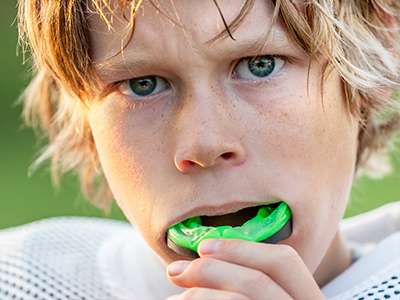
Sports expose children and teens to a range of forces that can damage teeth, lips, cheeks, and the jaw. Even activities that don’t involve full contact—like skateboarding, soccer, or cheerleading—carry a meaningful risk of falls, collisions, and stray projectiles. A properly fitted mouthguard creates a cushioned barrier that helps absorb and distribute the energy from an impact, reducing the likelihood of broken or knocked-out teeth and limiting soft-tissue injuries inside the mouth.
Beyond immediate dental trauma, mouthguards can also help preserve long-term oral health. Teeth that are fractured or avulsed often require complex restorative treatment and can lead to repeated interventions over a lifetime. For growing children, avoiding those first major injuries is critical: protecting a permanent tooth early on preserves supporting structures and reduces the risk of future complications.
Encouraging consistent mouthguard use is one of the simplest, most effective injury-prevention strategies for young athletes. When families understand how a mouthguard works and see it as part of standard protective gear—alongside helmets and pads—compliance improves. The result is fewer dental emergencies, less time away from sports, and greater peace of mind for parents and coaches.
Mouthguards are available in three main formats: stock (pre-formed), boil-and-bite, and custom-made by a dental professional. Stock guards are inexpensive and ready to wear but often offer a loose fit and limited protection. Boil-and-bite models soften in hot water and allow the wearer to shape them around the teeth for a better, though not perfect, fit. Both of these options can be useful short-term solutions, particularly for casual or low-risk play.
Custom mouthguards are fabricated from a mold or digital scan of the child’s mouth, giving a precise fit that maximizes comfort and protection. Because they conform closely to the teeth and gums, custom guards are less likely to shift during activity, which improves breathing, speech, and overall wearability. This higher level of fit often translates to better compliance—kids are more likely to keep them in place when they feel comfortable.
When deciding which style to choose, consider the intensity of the sport, the child’s dental status (such as braces or recent restorations), and how often the guard will be worn. A modest investment in a properly fitting mouthguard can prevent more serious and costly problems later, and it often becomes the difference between an effective protective device and one that’s left on the bench.
Orthodontic appliances and active braces change the way a mouthguard should fit. Traditional guards can be uncomfortable—or even ineffective—when worn over brackets and wires. A mouthguard for someone in braces should have enough space to cover hardware without compressing it against the lips and cheeks, which could drive irritation or damage during impact. Dentists and orthodontists can recommend designs that offer extra cushioning and accommodate orthodontic movement.
Kids’ mouths change quickly; teeth erupt, lose their balance, and shift during treatment. That means a mouthguard that fit well at the start of a season may become tight or ill-fitting within months. Regular check-ins help ensure ongoing protection. If a guard becomes warped, cracked, or difficult to fit, replacement is usually necessary to maintain full protective benefit.
Young athletes with other dental work—crowns, bridges, or removable appliances—may need a tailored approach as well. Our goal is to protect the mouth without interfering with necessary dental or orthodontic care, so discussing your child’s current dental status before choosing a guard is always recommended.
For families seeking the best balance of protection and comfort, a custom mouthguard made by a dental professional provides the most consistent results. The process typically begins with a quick oral evaluation to confirm there are no immediate dental issues that should be addressed first. From there, we take an impression or digital scan of the teeth to capture accurate anatomy for a snug, secure fit.
Lab fabrication uses durable, impact-resistant materials layered for shock absorption while maintaining a low profile so the athlete can breathe and speak easily. When the guard returns from the lab, we perform a fitting appointment to make small adjustments and ensure the device feels secure during simulated movement. This hands-on approach minimizes slippage and helps the young athlete get comfortable wearing it during practice and games.
At Myers Pediatric Dentistry & Orthodontics we emphasize fit, function, and comfort in every custom guard we provide. A well-made guard should be simple to wear, easy to maintain, and tailored to each child’s unique mouth—factors that all contribute to consistent use and optimal protection.
Proper care extends the life of a mouthguard and preserves hygiene. Rinse the guard with cool water after each use and brush it gently with a soft toothbrush and non-abrasive toothpaste or mild soap. Allow it to air-dry completely before storing it in a ventilated container to discourage bacterial growth. Avoid exposing the guard to high heat, which can warp the material and reduce effectiveness.
Inspect the mouthguard regularly for signs of wear: thinning areas, holes, tears, or persistent odors indicate it may no longer be providing full protection. Children who mouth-breathe or grind their teeth might show accelerated wear. If the guard becomes loose or uncomfortable, or if the child reports irritation during use, schedule a reassessment—an ill-fitting guard is a guard that won’t be trusted or worn consistently.
Because children grow and dental work can change their oral landscape, plan to review the fit at least once per season or whenever orthodontic adjustments occur. Replacing a mouthguard at the first sign of compromised fit is a simple step that ensures continued protection and helps make sports safer for growing athletes.
Summary: A properly chosen and fitted mouthguard is one of the most effective ways to protect a child’s smile during sports and recreational activities. From understanding the differences between stock, boil-and-bite, and custom options to recognizing special needs for braces and appliances, informed choices lead to better protection and greater comfort. For personalized advice and a custom-fit mouthguard tailored to your child’s needs, please contact Myers Pediatric Dentistry & Orthodontics for more information.


A sports mouthguard is a removable, shock-absorbing appliance that fits over the teeth to reduce the risk of oral and facial injuries during athletic activity. It helps protect teeth, lips, cheeks, tongue and the jaw from direct impact and can also reduce the risk of concussion by absorbing and dispersing force. Mouthguards are most commonly worn on the upper arch, though some situations call for lower or full-arch protection depending on dental needs.
Designs vary from simple, ready-to-wear models to fully customized appliances created by a dental professional. A well-fitting mouthguard should stay in place comfortably without obstructing breathing or speech. Choosing the right type and fit is key to maximizing protection and encouraging consistent use among young athletes.
There are three main categories of mouthguards: stock (ready-to-wear), boil-and-bite, and custom-made mouthguards from a dental office. Stock mouthguards come pre-formed and are the least adjustable, while boil-and-bite models soften in hot water so the user can shape them to their teeth for a better fit. Custom mouthguards are fabricated from impressions of the patient’s mouth and offer the best combination of fit, comfort and protection.
Each option offers a different balance of convenience, comfort and protection, and the ideal choice depends on the athlete’s age, the sport, and any dental appliances such as braces. For children who wear orthodontic appliances or have unique dental anatomy, a custom device is often recommended to ensure proper coverage and retention. Your dental team can review the advantages and limitations of each type and recommend the most appropriate solution.
Anyone participating in contact or collision sports, or activities with a risk of being struck by equipment, should wear a mouthguard to lower the chance of dental and facial injury. This includes organized sports such as football, hockey, lacrosse and soccer, as well as recreational activities like skateboarding and biking where falls are likely. Even sports that do not typically involve contact can present unexpected risks, making a mouthguard a prudent precaution.
Young athletes should wear a mouthguard during all practices and games to ensure consistent protection, since most dental injuries occur during routine play rather than rare events. Coaches, parents and caregivers can help reinforce this habit by including mouthguard use in pre-game routines. Proper fit and comfort increase the likelihood that the device will be worn consistently.
Custom mouthguards are made by taking an impression or digital scan of the patient’s teeth to create an exact model of the mouth. A lab then fabricates the mouthguard from specialized dental materials, often layering and shaping the appliance to meet specific protective and comfort goals. The result is a device tailored to fit snugly and remain stable during play while allowing for normal breathing and speech.
At Myers Pediatric Dentistry & Orthodontics the dentist or trained team member will evaluate your child’s mouth and recommend the appropriate thickness and coverage before taking impressions or scans. A final appointment confirms fit and comfort and provides instructions for care, storage and safe use. Periodic re-evaluation is important for growing children to ensure the mouthguard continues to fit correctly as teeth and jaws change.
Proper care helps a mouthguard remain hygienic and functional. Rinse the device with cool water after each use, brush it gently with a toothbrush and nonabrasive toothpaste or mild soap, and allow it to air dry before storing it in a ventilated case. Avoid hot water, prolonged sun exposure or placing the mouthguard near heat sources, as high temperatures can warp the material.
Regularly inspect the mouthguard for signs of wear, holes or changes in fit and replace it if damage or poor retention occurs. Clean the storage case frequently to prevent bacterial growth, and keep the mouthguard away from pets which may chew it. Proper maintenance extends the life of the appliance and helps protect oral health.
Yes, children with braces, space maintainers or other dental appliances can and should wear mouthguards, but they often need a device designed specifically for that situation. Traditional stock mouthguards may not fit properly over orthodontic hardware and can be uncomfortable or ineffective, while custom or specially designed orthodontic mouthguards provide extra space and protection around brackets and wires. Your dentist can recommend options that secure around the appliance without dislodging it or causing irritation.
Custom mouthguards are frequently the best choice for patients in active orthodontic treatment because they are fabricated from impressions taken with the appliance in place. This approach ensures adequate coverage and helps protect both the teeth and the orthodontic work from impact. Regular follow-up is important to adjust or remake the mouthguard as treatment progresses and the teeth move.
A properly fitting mouthguard should feel comfortable, stay securely in place without the need to clench, and allow normal breathing and speech. It should cover the teeth and immediate gumline without extending excessively into the soft tissues of the mouth or causing a gag reflex. When tested by gentle biting and movement, the device should remain stable and not shift or dislodge easily.
If a mouthguard causes sore spots, difficulty breathing, persistent gagging or changes in bite, it likely needs adjustment or replacement. For custom devices, the dental team will check fit at delivery and make small refinements if needed. For boil-and-bite or stock types, proper fitting techniques and periodic reassessment can help ensure continued protection.
Most modern mouthguards are made from medical-grade thermoplastic materials such as EVA (ethylene vinyl acetate) or multilayer laminates that combine comfort with impact resistance. These materials are chosen for their ability to absorb and disperse force while remaining flexible and biocompatible for oral use. Manufacturing standards and laboratory quality control help ensure that these materials are suitable and safe for athletic protection.
When selecting a mouthguard, ask about the composition and any relevant safety certifications, especially for children with sensitivities or allergies. Proper cleaning and storage also help prevent bacterial buildup and prolong material integrity. If there are concerns about material safety, discuss alternatives with your dental team to identify a suitable option.
The lifespan of a mouthguard depends on the type, frequency of use and how well it is cared for, but all mouthguards will eventually need replacement. Signs that a mouthguard should be replaced include visible wear, holes or thinning material, a change in fit, or persistent odors that cannot be removed with cleaning. For growing children, changes in tooth position and jaw size are common reasons to refit or replace the appliance.
Routine inspection before and after athletic seasons helps identify damage early and prevents use of a compromised device. If an athlete reports looseness, discomfort or a different bite when the mouthguard is in place, schedule an evaluation with your dental provider. Proactive replacement ensures ongoing protection and comfort for active kids and teens.
Myers Pediatric Dentistry & Orthodontics evaluates each patient’s oral anatomy, dental appliances and sport-specific risks to recommend the most appropriate mouthguard option. The practice offers custom fabrication using impressions or digital scans for a precise fit and provides guidance on care, storage and when to replace the device. For families with children in orthodontic treatment, the team will tailor the design to protect both teeth and appliances safely.
During appointments the staff will review proper wear and emergency precautions, and will re-evaluate fit as your child grows or as orthodontic treatment progresses. Scheduling periodic checkups around sports seasons helps ensure the mouthguard remains effective and comfortable. If you have questions about a specific sport or dental condition, the dental team can explain the options and next steps for obtaining an appropriate protective device.

Ready to schedule your child’s next dental visit or have questions about our services?
Contacting Myers Pediatric Dentistry & Orthodontics is simple! Our friendly team is here to help with scheduling appointments, explaining treatments, and answering any questions you may have. Whether you’d like to call, email, or use our easy online form, we’re ready to make your child’s dental experience positive and stress-free. Reach out today and give your little one a healthy, happy smile!

Back to top