New Patients
Existing Patients
New Patients
Existing Patients
New Patients
Existing Patients
New Patients
Existing Patients


Tartar, also called dental calculus, is plaque that has hardened on the tooth surface after minerals in saliva combine with accumulated bacteria. It usually forms along the gumline and between teeth where brushing and flossing are less effective. Unlike soft plaque, tartar bonds tightly to enamel and provides a rough surface that encourages more plaque buildup, creating a cycle that can accelerate decay and gum irritation if left untreated.
While tartar itself is not reversible with home care, recognizing it early helps protect your child’s long‑term oral health. Small amounts of buildup are common, especially in areas that are difficult to reach with a toothbrush or when oral hygiene habits are inconsistent. Regular professional cleanings remove this hardened material before it contributes to cavities, bad breath, or inflammation of the gums.
Parents should understand that tartar is a symptom of biofilm that has matured and calcified — not a sign of poor parenting or negligence. It is an expected finding in many growing mouths, and managing it is part of routine dental care. Proactive attention through preventive visits and timely scaling keeps teeth clean and supports a healthy oral environment as children grow.
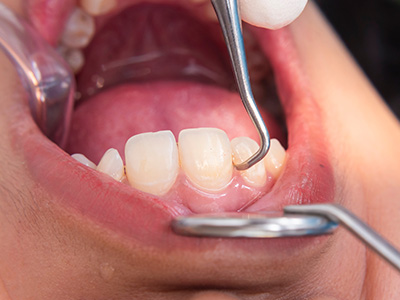
Tooth scaling is the clinical process of removing tartar from tooth surfaces and just below the gumline. Dental hygienists and dentists use calibrated instruments — hand scalers, ultrasonic devices, or a combination — to loosen and lift hardened deposits without damaging enamel. The goal is to leave the tooth surface smooth and free of the rough pockets where bacteria collect.
Ultrasonic scalers use gentle vibrations and a water spray to break up stubborn deposits while flushing away debris. Hand instruments provide tactile precision for fine work along the root surface. In many appointments both methods are combined: the ultrasonic unit handles bulk removal and hand instruments refine areas close to the gum tissue to ensure a thorough clean.
Following scaling, teeth are typically polished to remove surface stains and make it harder for plaque to reattach. The entire procedure is tailored to the patient’s needs — for some children a brief, single‑quadrant cleaning is appropriate, while others may receive a more comprehensive session. The provider will explain each step in plain language so parents and children know what to expect.
Children require a different approach than adults when it comes to dental care. Skilled pediatric dental teams use behavior‑friendly techniques to keep visits calm and productive: clear, age‑appropriate explanations, positive reinforcement, and breaks when needed. Many practices create a predictable routine so young patients feel safe, which reduces anxiety and improves cooperation during scaling and polishing.
Sensitivity and local comfort are central to pediatric scaling. If a child has tender gums or a history of dental fear, the clinician may use topical anesthetic, shorter appointment blocks, or distraction strategies like music and guided breathing. These adaptations help make the experience manageable and help build trust for future preventive care.
Parents can support a smooth scaling visit by preparing their child with simple, honest language about what will happen, and by maintaining consistent home care between appointments. When kids understand the basic purpose — removing stubborn “hard stuff” to protect their teeth — they are often more cooperative and proud of the healthy results afterward.
Scaling is a routine part of professional cleanings and is recommended whenever hardened deposits are detected. For many children scaling is performed at regular checkups, which allows clinicians to remove new buildup before it causes problems. However, there are specific signs that indicate more attention is needed: persistent bleeding during brushing, red or swollen gums, bad breath that doesn’t resolve with hygiene, or areas where plaque accumulates despite good home care.
Risk factors that might prompt more frequent scaling include orthodontic appliances, medical conditions that affect saliva flow, crowded teeth that trap food, and habits that complicate cleaning. In cases where gum inflammation has progressed, clinicians may recommend a deeper cleaning — commonly called root planing — to smooth the root surfaces and reduce the depth of periodontal pockets.
Your child’s dental team will assess the mouth at each visit and recommend an interval that fits their individual needs. For most healthy children, scaling as part of a routine dental cleaning every six months is effective; for higher‑risk cases, the provider will tailor a maintenance schedule to keep the gums and teeth stable.
Good aftercare helps preserve the benefits of professional scaling. Immediately following a cleaning, gums may feel slightly tender or sensitive for a day or two; soft foods and gentle brushing can reduce discomfort. Maintaining a consistent routine of twice‑daily brushing with a fluoride toothpaste and daily flossing prevents new plaque from maturing into tartar between visits.
Professional guidance on technique and tools can make a significant difference. Hygienists often review brushing and flossing methods during the visit, recommend the best toothbrush size or type for a child’s mouth, and suggest aids like flossers or interdental brushes when appropriate. These small adjustments help families keep teeth smooth and limit the need for more frequent professional intervention.
Routine dental exams also allow early detection of changes that could alter care plans — for example, new tooth eruption patterns, orthodontic needs, or health issues that affect oral hygiene. By combining professional scaling with effective home care, families can reduce the frequency of buildup and support healthy development of the smile over time.
At Myers Pediatric Dentistry & Orthodontics, our team focuses on preventive treatments like tooth scaling to protect growing smiles and make dental visits a positive part of childhood. If you have questions about what scaling involves for your child or when to schedule a cleaning, please contact us for more information. We’re here to help you keep your child’s teeth healthy and strong.


Tartar, also called dental calculus, is plaque that has hardened on tooth surfaces after minerals in saliva combine with bacteria. It typically forms along the gumline and between teeth where brushing and flossing are less effective, creating a rough surface that attracts more plaque. Left in place, tartar contributes to bad breath, cavities and inflammation of the gums.
Unlike soft plaque, tartar cannot be removed by brushing at home and requires professional removal to restore a smooth enamel surface. Removing tartar early helps prevent progression to more serious gum problems and keeps the mouth healthier as teeth develop. Regular dental visits allow clinicians to identify and manage buildup before it affects long‑term oral health.
Tooth scaling is the clinical technique used to remove hardened deposits from tooth crowns and just below the gumline using specialized instruments. Providers commonly use ultrasonic scalers that vibrate to break up bulk deposits while flushing debris with water and hand instruments that give tactile control for fine areas. The combined approach allows efficient removal without harming enamel when performed by a trained hygienist or dentist.
After scaling, teeth are often polished to smooth the surface and make it harder for new plaque to adhere. The clinician tailors the procedure to the child’s needs, treating a single area or a full mouth in one visit depending on tolerance and clinical findings. Clear explanations and gentle technique help make the process predictable and effective for young patients.
Yes. Tooth scaling is a routine, safe preventive procedure for children when performed by clinicians experienced in pediatric care. Instruments and techniques are selected to protect enamel and soft tissue, and the team adjusts their approach for the child’s age, comfort and oral condition. Properly executed scaling supports healthy gums and reduces the risk of problems that can affect developing teeth.
The office of Myers Pediatric Dentistry & Orthodontics uses behavior‑friendly strategies and pediatric training to keep visits calm and effective. For children with sensitivity or special needs, clinicians may use shorter appointment blocks, topical anesthetic or distraction techniques to minimize distress. Parents are included in the process so they understand what to expect and how to support their child afterward.
Most children experience little or no pain during routine scaling; the procedure commonly causes only mild sensations such as vibration or pressure. Gums may feel slightly tender or sensitive for a day or two afterward, especially if there was preexisting inflammation, but this typically resolves with gentle home care. Clinicians watch for signs of discomfort and adjust technique to keep the visit comfortable.
If a child has very sore gums, low pain tolerance or dental anxiety, the team can use approaches like topical anesthetic, shorter visits, or distraction to reduce discomfort. Clear communication, positive reinforcement and breaks help many children tolerate treatment well and build confidence for future preventive care. Parents should report any unusual or prolonged pain so the clinician can evaluate and advise next steps.
For most healthy children, scaling occurs as part of a routine professional cleaning at regular dental checkups, which are commonly scheduled every six months. That interval allows clinicians to remove new buildup before it contributes to cavities or gum inflammation and to monitor oral development. The recommended frequency depends on each child’s individual risk factors and clinical findings.
Children at higher risk for tartar buildup or gum problems—such as those with crowded teeth, orthodontic appliances, reduced saliva flow, or medical conditions—may need more frequent professional care. Your child’s dental team will assess risk at each visit and recommend an appropriate maintenance schedule. A personalized plan helps keep teeth and gums stable as the smile changes.
Scaling refers to removing plaque and tartar from visible tooth surfaces and just below the gumline, while root planing goes a step further to smooth the root surfaces of teeth. Root planing is performed when gum pockets have deepened or inflammation has progressed, because smoothing the root helps the gum reattach and reduces pocket depth. Both procedures aim to reduce bacterial load and promote healthier gum tissue.
Scaling alone is often sufficient for routine maintenance and mild inflammation, but the clinician will recommend root planing when deeper cleaning is needed to manage periodontal pockets. The choice of treatment is based on a clinical examination and measurements taken during the visit. Early intervention improves outcomes and may limit the need for more invasive therapy later on.
Preparing your child with simple, honest language about what will happen helps reduce anxiety and improve cooperation at the appointment. Role play at home, read child‑friendly explanations, and emphasize that the visit helps keep teeth strong and healthy. Practical steps like scheduling at a time when your child is rested and allowing them to bring a comfort item can also make the visit smoother.
On the day of the appointment, arrive a few minutes early so the child can settle and the team can review any questions or health updates. Encourage relaxed breathing and praise effort rather than focusing on fear of the procedure. The dental team will explain each step in age‑appropriate terms and use behavior‑management strategies to keep the visit calm and predictable.
After scaling, gums may feel tender and teeth can be briefly sensitive to hot, cold or pressure; this usually subsides within a day or two. Gentle brushing with a soft toothbrush, continued twice‑daily fluoride toothpaste use and careful flossing help keep the mouth clean as tissues recover. Avoiding very hard or crunchy foods immediately after a sensitive cleaning can reduce discomfort.
Your child’s hygienist will review brushing and flossing techniques and may recommend specific tools such as flossers or an age‑appropriate toothbrush to improve home care. Follow‑up visits allow the team to monitor healing and schedule routine maintenance as needed. Contact the practice if bleeding, swelling or persistent pain occurs beyond the expected short recovery period.
Yes. By removing hardened plaque and reducing bacterial reservoirs at and below the gumline, scaling lowers the factors that contribute to cavities and gum inflammation. A smooth, cleaned tooth surface makes it harder for new plaque to accumulate and allows brushing and flossing to be more effective between professional visits. Scaling is one part of a preventive strategy that also includes home care and routine exams.
Scaling works best when paired with consistent twice‑daily brushing, daily flossing and regular dental checkups that monitor oral health and development. Clinicians tailor preventive recommendations to each child’s needs, addressing risk factors such as diet, oral hygiene techniques and orthodontic appliances. Together, professional care and strong home habits help protect a child’s smile over time.
Orthodontic appliances such as braces create additional areas where plaque can accumulate, so children with braces often benefit from more frequent professional cleanings and targeted hygiene instruction. Clinicians use specialized instruments and techniques to remove deposits around brackets and wires while protecting the appliances. Close coordination with the orthodontic team helps maintain gum health during treatment.
For children with developmental, behavioral or medical needs, clinicians adapt the environment, communication style and appointment structure to reduce stress and improve cooperation. Myers Pediatric Dentistry & Orthodontics offers behavior‑friendly strategies, appropriate appointment lengths and, when indicated, safe comfort measures to ensure effective care. The dental team will work with families and other providers to create a plan that meets each child’s unique needs.

Ready to schedule your child’s next dental visit or have questions about our services?
Contacting Myers Pediatric Dentistry & Orthodontics is simple! Our friendly team is here to help with scheduling appointments, explaining treatments, and answering any questions you may have. Whether you’d like to call, email, or use our easy online form, we’re ready to make your child’s dental experience positive and stress-free. Reach out today and give your little one a healthy, happy smile!

Back to top