New Patients
Existing Patients
New Patients
Existing Patients
New Patients
Existing Patients
New Patients
Existing Patients

A Cavitron is a type of ultrasonic scaler used in dental cleanings to remove plaque, calculus (tartar), and bacterial buildup from tooth surfaces and just below the gumline. Instead of relying on manual scraping alone, the Cavitron’s tip vibrates at very high frequencies, breaking the hard attachments that form on teeth. A steady stream of water cools the tip and carries away loosened debris, leaving surfaces cleaner and less hospitable to bacteria.
The device produces rapid, controlled vibrations that translate into micro-fractures of accumulated deposits on enamel and root surfaces. These vibrations are effective against both visible calculus and the biofilm that adheres to teeth, which helps create a cleaner surface prior to polishing or other preventive steps. The water spray also creates a flushing action that reaches into shallow pockets and between teeth where plaque can hide.
There are different ultrasonic technologies used in dental offices; regardless of the mechanism, the primary goal is the same: efficient, thorough removal of deposits with minimal pressure. For patients, that usually means a quicker, more comfortable cleaning compared with prolonged manual scaling, while clinicians maintain precise control over the procedure.
Ultrasonic scaling like that performed with a Cavitron delivers several advantages for oral health. By removing hardened deposits and disrupting biofilm, it lowers the microbial load on teeth and around the gums, which supports gum health and reduces inflammation. When calculus is removed effectively, periodontal tissues have a better environment in which to heal and remain healthy following routine care.
Because the Cavitron uses rapid vibrations and water, clinicians can often clean larger areas more quickly than with manual scalers. This efficiency is helpful during regular preventive visits and in more targeted periodontal maintenance sessions. The combination of mechanical vibration and irrigation also helps dislodge bacteria from pockets and root surfaces, making subsequent hygiene and therapeutic measures more effective.
Clinicians also value ultrasonic instruments for their ability to reach and clean subgingival areas that can be difficult to access otherwise. With the correct technique and appropriately sized tips, an ultrasonic scaler can aid in managing early to moderate gum disease and in maintaining periodontal stability after therapy.
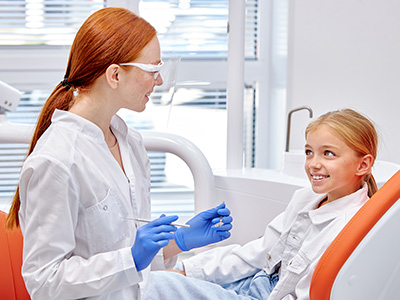
A Cavitron cleaning begins with a clinical assessment so the clinician can select the appropriate tip and settings. During the procedure you’ll feel a gentle vibration and hear a low humming sound; the water spray produces a soft mist that keeps the tip cool and rinses away loosened material. Many patients find the sensation less fatiguing than prolonged manual scaling because the clinician applies less scraping force.
Sensitivity varies from person to person. If you have sensitive teeth or areas where gum recession exposes root surfaces, your clinician can modify the instrument’s power and use gentler tips to minimize discomfort. Local measures such as topical anesthetic gels or numbing for specific teeth can be used when clinically appropriate for a more comfortable experience.
The length of the appointment depends on the condition of the teeth and gums. For routine preventive cleanings, an ultrasonic device can shorten the appointment time. For deeper cleaning needs, the clinician may combine ultrasonic scaling with manual instruments to ensure all surfaces are treated thoroughly and to fine-tune the smoothness of roots where needed.
Ultrasonic instruments have an established safety record when used by trained professionals. Clinicians follow infection-control protocols and adjust power settings, tip selection, and water flow to match each patient’s anatomy and tolerance. Protective measures such as high-volume saliva evacuation help manage spray and maintain a comfortable environment for both children and adults.
In pediatric dentistry, special attention is given to making the experience calm and reassuring. Smaller tips, lower power settings, and short treatment segments keep sessions manageable for younger patients. If a child has heightened anxiety or special needs, the care team will plan the visit to reduce stress—this may include behavior guidance techniques or coordinating timing with other comfort measures the practice offers.
Parents and caregivers can expect the clinical team to explain the steps in child-friendly language and to proceed at a pace that supports cooperation and positive association with dental visits. When performed thoughtfully, ultrasonic cleaning is a valuable tool in maintaining a child’s oral health without causing unnecessary discomfort or fear.
At Myers Pediatric Dentistry & Orthodontics, clinicians are experienced in tailoring ultrasonic care to children and adolescents, balancing clinical effectiveness with compassion and comfort.
Following an ultrasonic cleaning, it’s normal to experience mild, short-lived sensitivity in some areas—especially where decay, recession, or large restorations are present. Good home care, including gentle brushing with a soft-bristled brush and routine flossing, supports the benefits achieved during the visit. Your clinician may recommend specific products or techniques if sensitivity is an ongoing concern.
Regular professional cleanings—whether performed manually, with ultrasonic instruments, or a combination—are a cornerstone of preventive care. The Cavitron works best as part of a comprehensive program that includes daily oral hygiene, fluoride where appropriate, and periodic clinical assessments to monitor gum health. Consistent visits make it easier to remove new deposits before they harden into stubborn calculus.
For patients with periodontal conditions, ultrasonic scaling is often incorporated into maintenance visits to reduce bacterial load and maintain tissue stability. Your dental team will create a tailored maintenance schedule based on your child’s individual risk factors, oral development, and clinical findings to keep smiles healthy between visits.
In summary, Cavitron (ultrasonic) cleaning is an effective, efficient way to remove plaque, calculus, and bacterial biofilm while supporting patient comfort and clinical outcomes. The technology is versatile, safe when used by trained professionals, and can be adapted to meet the needs of children and patients with special considerations. If you’d like to learn more about how ultrasonic cleaning might fit into your child’s preventive care plan, please contact us for more information.


A Cavitron is an ultrasonic scaler that uses rapid vibrations and a directed water spray to remove plaque, calculus and bacterial biofilm from tooth surfaces and just below the gumline. The instrument’s tip oscillates at high frequency to break apart hardened deposits while the water cools the tip and flushes away loosened material. This combination of mechanical disruption and irrigation helps create a cleaner surface prior to polishing or other preventive steps.
The device is effective against both visible tartar and the soft biofilm that adheres to teeth, and clinicians select tips and power settings to match the anatomy being treated. Because the Cavitron agitates and flushes deposits, it can reach shallow pockets and interproximal areas where manual instruments may take longer to access. When used properly, the Cavitron helps make professional cleanings more efficient while maintaining clinical control over the procedure.
Ultrasonic cleaning with a Cavitron relies on high-frequency vibration and irrigation, whereas manual scaling uses hand instruments to physically scrape deposits from tooth surfaces. The Cavitron often removes larger or more tenacious deposits more quickly and can reduce operator fatigue, while manual scaling allows for tactile refinement of root surfaces when needed. Clinicians commonly use a combination of both techniques to ensure thorough removal and to smooth areas that require delicate touch.
Each approach has advantages: ultrasonic instruments excel at irrigating pockets and dislodging biofilm, while manual scalers offer precision in tight or sensitive areas. Treatment decisions depend on the patient’s periodontal condition, sensitivity, and cooperation, and a skilled dental team will tailor the method to achieve the best clinical outcome. Using both methods together often provides a comprehensive cleaning that balances speed with fine control.
Yes, Cavitron use is considered safe for children when performed by trained pediatric clinicians who adjust power settings and choose appropriately sized tips. Pediatric considerations include using lower power, shorter treatment segments and smaller tips to match a child’s mouth and tolerance level. Protective measures such as high-volume suction and careful water flow management reduce spray and enhance comfort for young patients.
At Myers Pediatric Dentistry & Orthodontics, clinicians focus on gentle technique and clear communication to help children feel at ease during ultrasonic cleanings. If a child has heightened anxiety, sensory sensitivities or special needs, the team will plan the procedure to minimize distress and may combine ultrasonic scaling with behavior guidance strategies. The goal is to maintain oral health while fostering a positive, reassuring experience for both child and caregiver.
A Cavitron appointment begins with an assessment so the clinician can select the right tip and settings for your child’s needs. During the cleaning your child will feel a gentle vibration and hear a low humming sound while a fine spray of water rinses away debris; many patients describe the sensation as less tiring than prolonged manual scraping. Clinicians work in short, manageable segments and explain each step in child-friendly language to promote cooperation and reduce fear.
If your child has sensitive teeth or exposed root surfaces, the clinician can reduce power, use softer tips or apply topical desensitizing gel to help keep the visit comfortable. In some cases, a combination of ultrasonic and manual scaling is used to ensure all surfaces are smooth and free of deposits. Parents can expect staff to monitor comfort closely and pause as needed to maintain a calm environment.
Mild, short-lived sensitivity after an ultrasonic cleaning can occur, especially in areas with gum recession, exposed roots or recent dental work. Sensitivity most often subsides within a few days and can be managed with gentle home care, a soft-bristled toothbrush and desensitizing toothpaste recommended by your clinician. If sensitivity persists or is severe, the dental team will evaluate the underlying cause and recommend appropriate treatments.
During the procedure, clinicians can minimize discomfort by lowering the instrument’s power, switching to a gentler tip and using topical anesthetic when clinically appropriate. Follow-up instructions often include avoiding very hot or cold foods for a short period and maintaining good oral hygiene to support healing. Persistent or worsening sensitivity should be reported so the team can provide targeted care.
Ultrasonic scaling with a Cavitron disrupts bacterial biofilm and removes calculus from both above and just below the gumline, which reduces the microbial load that contributes to gingival inflammation. By cleaning pocket surfaces and root areas more effectively, ultrasonic instruments help create an environment that supports periodontal healing and maintenance. For early to moderate periodontal disease, this approach is often incorporated into initial therapy and ongoing maintenance visits.
When deeper pockets or more advanced disease are present, clinicians may combine ultrasonic scaling with targeted manual instrumentation and adjunctive therapies to achieve optimal results. A personalized periodontal plan, including patient home care and a tailored recall schedule, helps maintain tissue stability after professional treatment. Regular reassessment ensures that the chosen approach continues to meet the patient’s evolving clinical needs.
The frequency of ultrasonic cleaning depends on each child’s oral health, risk factors and the presence of gingival inflammation or buildup. For many children, routine professional cleanings every six months suffice to control plaque and calculus, while those with higher risk or periodontal concerns may require more frequent maintenance visits. Your dental team will assess oral health at recall visits and recommend an individualized schedule based on clinical findings and oral hygiene performance.
Integrating Cavitron use into a preventive plan helps remove deposits before they progress and supports the effectiveness of daily home care. Consistent visits make it easier to manage early issues and prevent more extensive treatment. The clinician will work with parents to balance clinical needs with the child’s comfort and cooperation to maintain a healthy routine.
Clinicians follow strict infection-control protocols when using ultrasonic instruments, including sterilization of tips, appropriate barrier precautions and routine equipment maintenance. High-volume evacuation and proper suction technique are used to control spray and maintain a clean, comfortable operatory environment for patients and staff. Waterlines and handpieces are managed according to manufacturer guidance and professional standards to ensure safe operation.
Staff training in instrument handling, power selection and tip choice is essential to safe, effective ultrasonic use, and clinicians continually monitor performance and patient comfort. Parents can expect the practice to adhere to recommended clinical and regulatory guidelines to protect the health of children during every procedure. These measures together support a reliable, high-quality care experience.
Yes, ultrasonic cleaning is commonly combined with other preventive measures such as polishing, fluoride treatments and dental sealants to provide comprehensive care in a single visit when appropriate. After ultrasonic scaling, teeth are typically polished to smooth surfaces and to enhance esthetics and plaque resistance, and topical fluoride may be applied when clinically indicated for caries prevention. Sealants can be placed on appropriate teeth during the same appointment if the clinician determines a child will benefit from added protection.
The sequencing of treatments is chosen to maximize clinical benefit and to match the child’s tolerance for care, so clinicians may stage certain procedures across visits for very young or anxious patients. Clear communication about the planned steps helps families understand the goals of each visit and supports efficient, coordinated preventive care. Your dental team will tailor the combination of services to your child’s oral health needs and comfort level.
Comfort strategies for children who are anxious or have special needs include using smaller tips, lower power settings, short treatment segments and frequent breaks to reduce stress and sensory overload. Behavior guidance techniques, clear child-friendly explanations and positive reinforcement help build cooperation and trust during the visit. When additional support is needed, the team may coordinate timing with other comfort measures available in the practice to create a calm, predictable experience.
Myers Pediatric Dentistry & Orthodontics emphasizes individualized planning and a gentle approach to meet each child’s needs, and staff work closely with caregivers to prepare for visits. Pre-appointment discussions, scheduling considerations and tailored behavior strategies can greatly improve the child’s comfort and the effectiveness of care. Parents are encouraged to share relevant information about their child’s preferences and past experiences so the team can optimize the visit.

Ready to schedule your child’s next dental visit or have questions about our services?
Contacting Myers Pediatric Dentistry & Orthodontics is simple! Our friendly team is here to help with scheduling appointments, explaining treatments, and answering any questions you may have. Whether you’d like to call, email, or use our easy online form, we’re ready to make your child’s dental experience positive and stress-free. Reach out today and give your little one a healthy, happy smile!
Back to top
