New Patients
Existing Patients
New Patients
Existing Patients
New Patients
Existing Patients
New Patients
Existing Patients


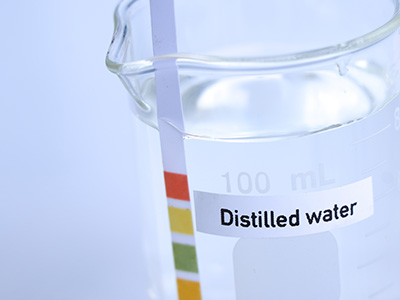
Distilled water is water that has been boiled into vapor and then condensed back into liquid, leaving many dissolved solids, minerals, and some impurities behind. The distillation process relies on the physical separation of substances based on boiling points: volatile compounds evaporate and are captured, while heavier contaminants remain in the boiling chamber. The result is water with very low concentrations of dissolved minerals and particulate matter, which gives it a neutral taste and predictable chemistry.
Unlike simple filtration or carbon treatments, distillation removes a broader range of inorganic minerals and many nonvolatile contaminants. It does not, however, guarantee removal of every possible volatile organic compound or gas, which is why distillation is sometimes combined with additional purification steps when extremely pure water is required. For everyday clinical and laboratory purposes, distilled water is valued for its consistent composition and low residue.
From a practical standpoint, distilled water is distinct from other common categories such as deionized, reverse osmosis (RO), and filtered water. Each method has strengths: RO systems can remove a large percentage of dissolved salts and microbes with less energy, deionization targets ions, and filtration addresses particulates and certain chemicals. Distillation remains a standard when minimizing mineral content and preventing deposits is the priority.
Dental offices use distilled water because it helps reduce the risk of mineral buildup and contamination in instruments and devices. Many pieces of dental equipment — steam sterilizers (autoclaves), laboratory mixers, and certain handpieces — perform best when fed with water that leaves minimal residue. Mineral deposits can interfere with calibration, impair heating elements, and shorten the service life of sensitive components.
Beyond equipment care, using distilled water can support infection-prevention protocols by lowering the chance that waterborne particulates will harbor biofilms or interfere with sterilization cycles. Sterilization relies on consistent steam generation and temperature control; water with fewer dissolved solids produces steadier steam characteristics and reduces the need for frequent maintenance to remove scale.
Finally, manufacturers of dental devices and dental materials frequently specify distilled or similarly pure water for recommended use. Following those guidelines helps ensure instruments function as intended and materials set or bond predictably. Using the type of water recommended in product literature supports both performance and warranty compliance.
At Myers Pediatric Dentistry & Orthodontics, distilled water is part of a broader approach to keeping equipment reliable and procedures reproducible. We use distilled water where manufacturer instructions call for it — for steam sterilization cycles, laboratory mixing of materials that require low-mineral content, and in any device where mineral scale could impair operation. Choosing distilled water for these tasks is a practical step that supports consistent clinical outcomes.
Our team pairs the use of distilled water with routine maintenance and strict handling protocols. Equipment that interacts with water is inspected and serviced according to scheduled intervals, and staff members are trained to follow the manufacturer’s guidance on water type and change frequency. This combination of proper water selection and disciplined maintenance reduces downtime and keeps instruments ready for patient care.
For patient-facing items and situations where water purity is essential, we rely on sealed containers, sterile transfers, and single-use disposables when appropriate. These practices minimize potential recontamination and ensure that the distilled water used in critical processes maintains its low-residue properties from supply to application.
Even though distilled water starts out very low in minerals and particulates, it can become contaminated if stored improperly. To preserve quality, distilled water should be kept in clean, food-grade or medical-grade containers that are closed between uses and clearly labeled for clinical purposes. Avoiding prolonged exposure to air, direct sunlight, or unsterile dispensing methods reduces the chance of microbial growth or particulate introduction.
When transferring distilled water into equipment reservoirs or lab mixes, staff should use aseptic techniques and follow written protocols. Containers and dispensers are regularly inspected and cleaned, and schedules are in place for replacing water and consumables. These procedural controls help maintain the integrity of sterilization cycles and laboratory workflows where predictable water composition matters.
We also source distilled water from reputable suppliers and verify product specifications when required. For items where absolute purity is critical, such as certain dental materials or specialized laboratory tasks, we check supplier certificates and adhere to any recommended storage temperature and shelf-life guidance. Consistent supply-chain practices reduce uncertainty and help the clinical team focus on patient care rather than troubleshooting equipment issues.
Finally, staff education is central to safe handling. Clear labeling, documented change intervals, and routine in-service training ensure every team member understands why distilled water is used, how to store it correctly, and when to notify leadership about irregularities. These operational safeguards protect both equipment and patients while keeping workflows efficient.
Producing distilled water consumes energy because it relies on boiling and condensation. As a result, some practices weigh the environmental footprint of distillation against alternatives such as reverse osmosis or deionization, which may use less energy but involve other trade-offs like membrane replacement or chemical usage. Thoughtful choices often come down to the specific needs of equipment and the overall balance between operational reliability and sustainability goals.
Where feasible, dental practices adopt hybrid approaches: using distilled water for devices that require it, while employing RO or filtered water for less sensitive tasks. This targeted strategy preserves the benefits of low-residue water where it matters most and reduces waste or energy use elsewhere. Recycling programs for single-use containers and responsible supplier selection further reduce environmental impact without compromising clinical standards.
Ultimately, the decision to use distilled water should reflect device manufacturer recommendations, infection-control priorities, and a practice’s sustainability objectives. By matching water type to task and maintaining prudent handling practices, dental teams can achieve dependable performance and thoughtful resource stewardship at the same time.
In summary, distilled water plays a specific and practical role in modern dental operations: it minimizes mineral residue, supports reliable sterilization and lab work, and helps protect equipment longevity when handled and stored correctly. If you have questions about how distilled water affects a particular procedure or device, or want to learn more about the protocols we follow, please contact us for more information.


Distilled water is produced by boiling water to create vapor and then condensing that vapor back into liquid, leaving many dissolved minerals, particulates, and heavier contaminants behind. The distillation process relies on physical separation by boiling points, so substances with higher boiling points remain in the boiling chamber while the purified vapor is collected. The resulting liquid has very low concentrations of dissolved solids and a neutral, predictable chemistry that is useful where mineral residue must be minimized.
Distillation differs from simple filtration because it physically separates water from nonvolatile contaminants rather than passing water through a barrier that traps particles. While distillation removes a broad range of inorganic minerals and many contaminants, it may not capture every volatile organic compound or dissolved gas without additional treatment steps. For many clinical and laboratory tasks, the low-residue profile of distilled water is valued for reproducibility and reduced scaling risk.
Each water-purification method targets different contaminants and has different operational trade-offs. Reverse osmosis (RO) forces water through a semipermeable membrane to remove a high percentage of dissolved salts and microbes; deionization removes ionic species using ion-exchange resins; and filtration typically targets particulates and some chemicals depending on the media used. Distillation, by comparison, removes contaminants based on volatility and boiling point, producing water with very low total dissolved solids.
Because methods remove different classes of impurities, choices are often task-specific: RO can be energy-efficient for broad desalting, deionization yields ion-free water useful for some lab work, and distillation minimizes mineral content and physical residues. Many practices use a combination of methods or select the one that best matches device requirements and maintenance preferences. Understanding these differences helps teams select the appropriate water for each clinical application.
Dental practices choose distilled water to reduce mineral buildup, which can impair the function of steam sterilizers, handpieces, and other equipment that heats or sprays water. Minerals in tap water can form scale on heating elements and inside tubing, leading to uneven heating, impaired calibration, and more frequent maintenance or repairs. Using low-residue water supports consistent steam generation and predictable device performance, which are important for effective sterilization cycles.
Beyond protecting equipment, distilled water lowers the chance that particulates will harbor biofilms or interfere with cleaning and sterilization processes. Manufacturers for many dental devices specify distilled or similarly pure water to ensure optimal operation and to comply with recommended maintenance procedures. Following those recommendations helps preserve equipment longevity and maintain consistent clinical outcomes.
Where device manufacturers specify low-mineral or distilled water, our practice uses it for steam sterilization cycles, certain laboratory mixes, and in any instrument reservoirs that are sensitive to scale. We integrate distilled water into procedures that demand predictable chemistry or minimal residue to reduce variability and support reliable device operation. Using the specified water type is one part of a broader maintenance and infection-control program.
Staff follow written protocols for transferring, replacing, and documenting distilled water use so that water-sensitive equipment receives consistent care. We pair the use of distilled water with routine inspections, scheduled servicing, and staff training to reduce downtime and ensure instruments are ready for patient care. These operational controls help preserve performance and support safe, reproducible clinical procedures.
Distilled water can become contaminated after production, so proper storage and handling are essential to preserve quality. Store distilled water in clean, food-grade or medical-grade containers that remain closed between uses, avoid prolonged exposure to air and sunlight, and label containers clearly for clinical use only. Minimizing open dispensing and preventing contact with nonsterile surfaces reduces the risk of particulate or microbial introduction.
When transferring distilled water into equipment reservoirs or lab mixes, use aseptic techniques and follow written procedures to avoid recontamination. Regularly inspect and clean containers and dispensers, and establish documented change intervals so water does not remain in place long enough to support growth. These steps maintain the low-residue characteristics that make distilled water appropriate for sensitive tasks.
Yes, distilled water can become contaminated after production through improper storage, unclean dispensers, or exposure to airborne particulates and microbes. Contamination may be detected by visual signs such as turbidity or particulates, unexpected odors, or by testing for microbial counts and total dissolved solids when a higher level of assurance is required. Routine visual checks and adherence to replacement schedules reduce the chance of undetected contamination.
For higher-risk applications, practices may perform periodic laboratory testing or review supplier certificates of analysis to confirm product specifications. Documented handling procedures and staff training ensure that potential issues are identified quickly and that corrective actions—such as replacing water, cleaning dispensers, or notifying leadership—are taken promptly. These practices protect both equipment function and infection-prevention measures.
When sourcing distilled water, dental offices should obtain products from reputable suppliers and review product specifications or certificates of analysis when necessary. Key attributes to verify include total dissolved solids (TDS), microbial testing when applicable, container material and cleanliness, and any stated shelf-life or storage recommendations. Confirming these details helps ensure the water meets the requirements of the devices and procedures that will use it.
Practices may also consider supplier handling and shipping practices, single-use versus refillable container options, and whether on-site production meets demand and quality standards. Maintaining a documented sourcing policy and periodic supplier review reduces variability and supports a reliable supply chain. These checks are part of broader equipment and infection-control governance within the office.
Practical alternatives include reverse osmosis (RO), deionized (DI) water, and various filtration systems, each with trade-offs in energy use, maintenance, and contaminant profile. RO systems remove a high percentage of dissolved solids and are often more energy-efficient than distillation, while DI removes ions and filtration can address particulates and certain chemicals. Many practices adopt hybrid strategies—reserving distilled water for equipment that explicitly requires it and using RO or filtered water for less sensitive tasks.
Decisions about alternatives should be guided by device manufacturer recommendations, infection-control priorities, and sustainability goals. Where equipment performance depends on very low mineral content, distilled water remains the preferred choice; for general-purpose rinsing or noncritical reservoirs, RO or filtered water may be acceptable. Matching water type to the specific application balances clinical reliability with resource considerations.
Using distilled water reduces mineral deposition in heating elements, tubing, and valves, which in turn lowers the frequency of maintenance required to remove scale and sediment. Reduced scale formation helps maintain consistent heat transfer, calibration, and fluid flow, which can prevent premature wear on components and reduce unplanned service events. Consistent performance from water-sensitive devices also supports predictable clinical workflows and sterilization outcomes.
While distilled water helps mitigate scale-related issues, it does not eliminate the need for routine inspection, preventive maintenance, and adherence to manufacturer-recommended servicing. Combining correct water selection with scheduled cleaning and part replacement delivers the best protection for equipment longevity. Documented maintenance programs and trained staff are essential complements to using distilled water.
Distilled water is primarily an equipment- and process-focused choice that supports reliable sterilization and predictable material behavior; its use is generally transparent to patients and parents. Parents may notice that instruments and clinical areas are well maintained and that staff follow clear handling protocols, which reflects the practice's commitment to infection prevention and equipment care. Choosing appropriate water types contributes indirectly to safe, reproducible clinical outcomes for children.
If parents have questions about infection-control practices or how the office maintains equipment, team members are prepared to explain protocols and the rationale for using distilled water in specific devices. Clear communication about safety-focused procedures helps families feel informed and reassured without introducing technical complexity. The practice emphasizes consistent, evidence-based steps to protect patient health and equipment performance.

Ready to schedule your child’s next dental visit or have questions about our services?
Contacting Myers Pediatric Dentistry & Orthodontics is simple! Our friendly team is here to help with scheduling appointments, explaining treatments, and answering any questions you may have. Whether you’d like to call, email, or use our easy online form, we’re ready to make your child’s dental experience positive and stress-free. Reach out today and give your little one a healthy, happy smile!

Back to top