New Patients
Existing Patients
New Patients
Existing Patients
New Patients
Existing Patients
New Patients
Existing Patients


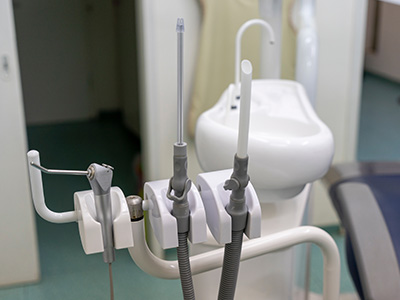
High-volume suction (HVS) is a clinical evacuation system designed to remove large volumes of saliva, blood, and aerosolized particles from the mouth during dental procedures. Unlike the small saliva ejector commonly used for routine rinsing, HVS employs a wider-bore tip and more powerful vacuum capacity to capture airborne droplets immediately at the source. This rapid capture limits the amount of moisture and microscopic debris that can escape into the treatment room, reducing the concentration of aerosols while the dental team works.
Mechanically, HVS systems operate by combining a high-flow intake with smooth, wide tubing and a specially shaped tip that is positioned near the operative site. When the tip is placed correctly, it creates a localized airflow that pulls contaminants away from the patient’s mouth before they disperse. The result is a marked decrease in visible spray and a measurable reduction in the tiny particles that contribute to airborne transmission risks during procedures that generate aerosols.
Because HVS is both efficient and immediate, it becomes an important layer within a broader infection-control strategy. It does not replace other protective steps such as personal protective equipment or surface disinfection, but it works alongside those measures to make the clinical environment cleaner and safer for patients and staff alike.
Children present unique challenges for aerosol control: smaller mouths, shorter attention spans, and greater sensitivity to unfamiliar sensations. High-volume suction helps address these concerns by minimizing the quantity of fluids and particles released into the room during common pediatric procedures. For parents and caregivers, this means treatments such as fillings, crowns, and cleanings are performed with an added emphasis on reducing airborne exposure while the child is comfortable and cooperative.
In a pediatric setting, the ability to control aerosols quickly also supports a calmer atmosphere. When saliva and spray are removed efficiently, clinicians can work more smoothly and avoid interruptions that might prolong an appointment. That steadiness benefits young patients by shortening chair time and helping them feel less anxious about the visit.
For children with special healthcare needs, behavioral sensitivities, or respiratory conditions, limiting aerosol spread can be especially important. By integrating HVS into routine care, the dental team can tailor technique and positioning to each child’s needs, balancing safety with a gentle, supportive approach.
At our office, high-volume suction is used proactively during any procedure likely to create spray or droplets—such as ultrasonic cleanings, tooth preparation, or restorative procedures. The suction tip is positioned near the operating field and adjusted as needed so it captures expelled material without interfering with the clinician’s view or the patient’s comfort. When necessary, an assistant or an auxiliary arm supports precise placement so the dentist can maintain focus on the treatment.
HVE is most effective when combined with complementary risk-mitigation strategies. These include pre-procedure mouth rinses when appropriate, barrier protections, thorough surface cleaning, and efficient room turnover protocols. Together, these practices form a layered defense that reduces airborne contaminants and supports a consistent standard of care for every patient.
Because each child’s needs differ, our clinical team evaluates the best HVE approach before treatment begins. For example, we may modify positioning for a very young patient or select a low-profile tip for small mouths. These adjustments keep the system effective while preserving the child’s comfort throughout the appointment.
Parents often ask whether high-volume suction will be noisy or uncomfortable for their child. Modern HVE systems are designed to minimize vibration and suction noise, and skilled assistants can position the tip so it is out of the way of cheeks and lips. Additionally, pediatric teams use distraction, positive reinforcement, and clear, age-appropriate explanations to help children accept the presence of the suction tip without fear.
For children who are particularly sensitive, clinicians can introduce the instrument gradually—allowing the child to see and hear it briefly before the procedure begins, or demonstrating its gentle action on a gloved finger. These small steps build trust and reduce anxiety. When needed, we slow the pace of treatment and combine calming techniques with HVE to maintain effectiveness while prioritizing the child’s emotional comfort.
Noise-reduction options, such as muffling components or choosing quieter suction units, are part of our clinical equipment considerations. The goal is to balance the technical needs of aerosol control with an environment that feels safe and nonthreatening to young patients.
High-volume suction is only as reliable as the equipment and the team that operates it. Proper maintenance includes routine inspection of hoses, timely replacement of worn tips, and regular cleaning of intake components per manufacturer guidelines. These practices ensure consistent suction power and minimize the risk of cross-contamination. Staff members receive hands-on training in setup, positioning, troubleshooting, and maintenance so that HVE performs optimally at every appointment.
Training also covers patient-focused communication: demonstrating tools in a reassuring way, explaining how the suction helps keep the room cleaner, and adapting technique for each child’s comfort. When parents understand the purpose of HVE, they feel more confident about the measures in place to protect their child during treatment. Clear, calm explanations help children accept the process and participate cooperatively in their care.
Finally, it’s helpful for parents to know what to expect during a visit that uses HVE: the clinician or assistant will place the wider suction tip near the treatment area and may adjust it periodically. The device may make a gentle humming sound, but such noise indicates the system is actively removing spray and droplets. If a parent or child has concerns during treatment, the team encourages them to speak up so minor adjustments can be made immediately.
High-volume suction is a practical, effective component of modern pediatric dental care. By removing saliva and aerosolized particles at the source, it helps create a cleaner, safer treatment environment while allowing clinicians to work efficiently and children to remain comfortable. Used alongside other protective measures and thoughtful, child-centered techniques, HVE contributes to better outcomes and a more reassuring experience for families.
If you’d like to learn more about how we use high-volume suction in our treatment rooms or want to discuss how we tailor care for your child, please contact us for more information. Myers Pediatric Dentistry & Orthodontics is happy to explain our approach and answer any questions you may have.


High-volume suction (HVS) is a clinical evacuation system designed to remove large volumes of saliva, blood and aerosolized particles from the mouth during dental procedures. It uses a wider-bore tip and higher vacuum flow than a small saliva ejector so contaminants are captured immediately at the source. This rapid capture limits the amount of moisture and microscopic debris that can escape into the treatment room.
Mechanically, HVS creates a localized airflow by combining a high-flow intake with smooth, wide tubing and a shaped tip positioned near the operative site. When placed correctly, the tip pulls expelled spray and droplets into the system before they disperse into the room. The result is a measurable decrease in visible spray and in the tiny particles that contribute to airborne transmission risks.
Children present specific challenges for aerosol control because of smaller oral cavities, variable behavior and sensitivity to unfamiliar sensations. High-volume suction reduces the volume of fluids and particles released during procedures like cleanings, fillings and crown preparations. That reduction helps protect both the child and the clinical team while keeping the environment cleaner.
Efficient suction also supports a calmer appointment by minimizing interruptions caused by spray buildup and by shortening chair time when the team can work more smoothly. For children who are anxious or easily distracted, these efficiencies make it easier to maintain focus and complete treatment quickly. The overall effect is safer, faster care that is better tolerated by young patients.
High-volume suction reduces aerosol risk primarily by capturing droplets and mist at the source before they become airborne and spread in the room. By creating directed airflow near the operative field, HVS intercepts both visible spray and microscopic particles produced by ultrasonic scalers, air-water syringes and handpieces. This interception decreases the concentration of airborne particles and lowers the potential for surface contamination.
HVS is most effective when combined with other controls such as pre-procedure rinses, barrier protections, and adequate room ventilation. Used together, these layered measures produce a cumulative reduction in exposure risk for patients and staff. Clinicians also adjust tip placement and flow to match procedure type and patient anatomy for optimal capture.
Modern high-volume suction units are engineered to minimize vibration and operational noise, and proper tip placement keeps the device out of the way of cheeks and lips. Most children experience only a gentle humming rather than an alarming roar, and trained assistants position the tip to avoid contact with sensitive tissues. Explaining the device in age-appropriate terms and demonstrating its action can further reduce fear and build cooperation.
If a child is particularly sensitive, clinicians introduce the instrument gradually, allow the child to see and hear it briefly before use, and use distraction or positive reinforcement techniques. These behavioral strategies, combined with low-profile tips and careful positioning, maintain suction effectiveness while preserving comfort. Parents are encouraged to communicate any concerns so the team can make immediate adjustments during treatment.
Adapting HVS for small mouths requires selecting low-profile tips and fine-tuning the angle and distance from the operative site to maintain suction without causing discomfort. Our team may also use an assistant or auxiliary arm to hold the tip steadily so the clinician can focus on treatment. These small technical adjustments keep the system efficient even when space is limited.
For children with special healthcare needs or sensory sensitivities, we combine gentle positioning, slower pacing and clear, calm communication to reduce stress. When necessary, the team modifies technique or introduces the instrument gradually to build tolerance while still capturing aerosols effectively. Personalizing the approach ensures safety and comfort for every patient.
High-volume suction is used proactively during any procedure that generates spray or droplets, including ultrasonic cleanings, tooth preparations, and restorative work with air or water sprays. The device may also be used during extractions or other interventions where blood and saliva are present in larger volumes. Using HVS consistently during these procedures reduces cleanup time and supports infection-control protocols.
Clinicians determine HVS application before treatment begins and adjust placement as the procedure progresses to maintain optimal capture. An assistant often supports precise positioning so the dentist can work uninterrupted, especially in pediatric cases. This planned approach helps keep appointments efficient and predictable for families.
Reliable HVS performance depends on routine maintenance such as inspecting hoses, replacing worn tips, and following manufacturer cleaning and disinfection guidelines for intake components. Regular checks ensure consistent suction power and help prevent unexpected equipment issues during appointments. Proper maintenance is also essential to minimize the risk of cross-contamination between patients.
Our instrument care protocols include scheduled inspections, documented servicing, and immediate replacement of any component that shows wear. Staff follow clear procedures for safe handling, cleaning and storage so the system is ready and effective for every visit. This attention to equipment care supports both patient safety and clinical efficiency.
At Myers Pediatric Dentistry & Orthodontics, staff receive hands-on training in HVS setup, positioning and troubleshooting so the system performs reliably at every appointment. Training covers selection of tips, adjustment of flow, and techniques for capturing aerosols without interfering with care. Practical drills and supervised practice help build confidence and consistency among assistants and clinicians.
Training also emphasizes patient-centered communication, including age-appropriate explanations and gradual instrument introduction for anxious or sensitive children. Ongoing education ensures the team stays current with manufacturer recommendations and industry best practices. This combination of technical skill and compassionate interaction improves both safety and patient experience.
HVS is one important layer in a comprehensive infection-control strategy but does not replace other measures such as PPE, surface disinfection and appropriate ventilation. Used together, these components create multiple barriers that reduce both direct and indirect exposure to contaminants. High-volume suction specifically targets airborne and splatter hazards at the source to reduce overall room contamination.
Clinical protocols integrate HVS use with pre-procedural rinses when appropriate, strict sterilization of instruments, and efficient room turnover practices. By coordinating these steps, the practice maintains a consistent standard of care that protects patients and staff. Clear communication with families about these measures also helps set expectations for a safe visit.
If you want to learn more about high-volume suction and how it will be used for your child, speak with our team during your next visit or request information when scheduling an appointment. Many parents find a brief demonstration reassuring, so staff can show the HVS setup and explain tip placement and noise control before treatment begins. Seeing the instrument in a calm, nonthreatening context helps children build familiarity and reduces anxiety.
Myers Pediatric Dentistry & Orthodontics welcomes questions about clinical equipment and infection-control practices and will explain how we adjust techniques for each child's needs. If concerns arise during treatment, mention them and the team will make immediate, appropriate adjustments to maintain comfort and safety. Transparent communication ensures parents understand protective measures and feel confident in the care their child receives.

Ready to schedule your child’s next dental visit or have questions about our services?
Contacting Myers Pediatric Dentistry & Orthodontics is simple! Our friendly team is here to help with scheduling appointments, explaining treatments, and answering any questions you may have. Whether you’d like to call, email, or use our easy online form, we’re ready to make your child’s dental experience positive and stress-free. Reach out today and give your little one a healthy, happy smile!

Back to top