New Patients
Existing Patients
New Patients
Existing Patients
New Patients
Existing Patients
New Patients
Existing Patients

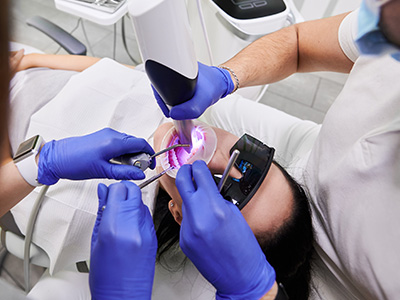
Isolite is a modern dental isolation system that combines continuous illumination, intraoral suction, and soft-tissue retraction into a single, easy-to-use device. Designed to create a clear, dry working area, it gives clinicians unobstructed access to the treatment site while reducing interruptions and improving visibility. For families visiting Myers Pediatric Dentistry & Orthodontics, Isolite is an example of the practice’s commitment to efficient, comfortable care using up-to-date dental technology.
At its core, an Isolite system provides three functions in one integrated tool: a built-in light to illuminate the mouth, an oral retractor that gently holds cheeks and tongue away from the teeth, and continuous suction to remove saliva and debris. The patient rests on a cushioned, bite-friendly mouthpiece while the device maintains a consistent field of view for the clinician. This combination reduces the need for separate instruments and frequent repositioning during treatment.
Because the mouthpiece sits between the arches, it helps keep the tongue and soft tissues safely out of the way. The continuous suction draws away moisture from around the tooth surfaces, which is particularly useful when a dry environment is needed for bonding or restorative work. The integrated light is positioned to reduce shadows, so the clinician sees details more clearly without relying on extra lamps or frequent adjustments.
Although the device looks compact and straightforward, it is designed to be compatible with a broad range of common dental procedures. From routine restorative work to preparatory steps for crowns or sealants, Isolite supports the clinician by providing steady illumination and suction where it’s most helpful.
One of the primary benefits of using an Isolite system is the reduction of pauses and handoffs during treatment. Without a separate suction tip, dental assistants don’t need to reposition tools continuously, and the dentist can work with fewer interruptions. That smoother workflow often translates into shorter appointment times and more focused, predictable procedures.
Consistent dryness and lighting also support technical tasks that depend on precision, such as adhesive bonding and the placement of restorations. A steady, dry field minimizes the chance of contamination from saliva, and uniform illumination helps clinicians detect margins, cracks, or other details that might otherwise be missed. In practice, these factors contribute to reliable, high-quality work.
From a team perspective, the integrated nature of Isolite can make coordination easier. With fewer instruments in play and a single device handling multiple roles, the clinical team can move through treatment steps more fluidly while maintaining attention on patient comfort and safety.
Pediatric dentistry often presents unique challenges: smaller mouths, limited attention spans, and heightened sensitivity to unfamiliar sensations. Isolite addresses several of these issues by combining comfort and practicality. The mouthpiece serves as a gentle bite block, helping children keep their mouths open comfortably without tiring jaw muscles during longer procedures.
For many young patients, the integrated light is less startling than a bright external lamp directed into the face, and the hands-free suction reduces the number of instruments touching the mouth. That can help lower anxiety and make the visit feel less invasive. Clinicians can focus on building rapport and completing treatment efficiently, which is particularly important for children who may become restless.
Importantly, the device supports a calmer clinical environment: fewer instrument swaps and steadier workflows mean less noise and fewer interruptions. For parents and caregivers, this translates to predictable appointments and a smoother experience for their child.
In clinical settings, infection control and hygiene are top priorities. Isolite systems are designed with disposable intraoral components and easily cleanable external parts so that clinicians can maintain strict sterilization protocols. Disposable mouthpieces are replaced between patients, and tubing and other non-disposable elements are handled according to standard sterilization procedures.
Trained dental staff ensure the device is fitted correctly and that suction and lighting levels are appropriate for the child’s comfort and the procedure’s needs. If a child finds the mouthpiece uncomfortable or needs a brief break, the team can pause and make adjustments. Proper training and routine checks help ensure the device performs reliably and safely for every visit.
Parents can also expect staff to explain how the device will be used and to answer any questions before treatment begins. Clear communication helps families understand the role of Isolite in the appointment and reassures them that patient comfort and safety come first.
When Isolite is used during a child’s appointment, the setup is typically quick and unobtrusive. After a brief explanation, the clinician or assistant places the cushioned mouthpiece and positions the light and suction. The child is asked to bite gently on the mouthpiece so the device can do its work without requiring constant adjustments.
Most children adapt to the sensation within moments, and because the device frees up the clinician’s hands, treatment proceeds more smoothly. Parents will notice fewer instrument swaps and a steadier flow to the appointment. For many procedures, this means the clinician can complete restorative steps with less interruption and clearer visibility.
If there’s ever a need to remove the device temporarily—whether for comfort or to check progress—the team will do so promptly and resume once the child is ready. The overall goal is a safe, efficient visit that reduces stress for both the child and the care team.
Isolite is a practical tool that supports focused, comfortable dental care for children by combining illumination, suction, and retraction into a single system. At Myers Pediatric Dentistry & Orthodontics, our team uses technologies like Isolite to help deliver precise, gentle treatment in a calm, efficient manner. If you’d like to learn more about how we use Isolite or what to expect during your child’s visit, please contact us for more information.


Isolite is a dental isolation system that combines continuous illumination, intraoral suction, and soft-tissue retraction in a single device. It uses a cushioned mouthpiece that the child gently bites on while integrated tubing provides hands-free suction and a focused light. Together these features create a clear, dry working field and reduce the need for separate instruments.
The mouthpiece positions between the dental arches to hold cheeks and tongue away from the treatment site while the suction removes saliva and debris. The built-in light reduces shadows and improves visibility for detailed tasks such as bonding or restorations. Clinicians can work with fewer interruptions because the device maintains a consistent field without frequent repositioning.
At Myers Pediatric Dentistry & Orthodontics, we choose Isolite to help make procedures more efficient and comfortable for young patients. The system's integrated suction and illumination reduce the number of instruments placed in a child’s mouth, which can lower sensory overload and help children remain calm. Its bite-friendly mouthpiece also serves as a gentle bite block so children do not have to keep their jaws open for prolonged periods.
Using Isolite supports consistent outcomes because a dry, well-lit field improves adhesive bonding and the fit of restorations. The hands-free design allows clinicians and assistants to focus on technique and patient interaction instead of constant tool management. For parents, this often translates into smoother appointments and clearer communication from the care team.
Isolite is particularly helpful for restorative procedures such as fillings, crown preparations, and sealants where moisture control is critical. Its continuous suction keeps enamel and bonding surfaces dry, which improves the reliability of adhesive materials. The focused light and retraction also assist in precise margin evaluation and material placement.
It can also be useful during preventive treatments, like polishing and fluoride applications, and during small surgical or soft-tissue procedures where visibility and tissue control matter. While Isolite is versatile, clinicians will assess each case and choose the best isolation method for the procedure and the child’s comfort. The device complements, rather than replaces, standard isolation and suction techniques when appropriate.
Yes; Isolite systems are designed with patient safety and infection control in mind, featuring disposable intraoral mouthpieces and externally cleanable components. Dental teams replace single-use pieces between patients and follow standard sterilization protocols for reusable parts to maintain hygiene. Proper staff training ensures the device is fitted and operated safely for each child.
The mouthpiece is cushioned and bite-friendly to minimize soft-tissue irritation, and suction levels are adjusted to be effective without causing discomfort. Clinicians monitor the child throughout treatment and will pause or remove the device if the child needs a break or shows signs of distress. Clear explanation and checks before use help families feel confident about hygiene and safety measures.
Isolite minimizes the number of instruments placed in the mouth and eliminates the need for continuous handheld suction, which reduces physical sensations that can startle or unsettle children. The integrated light is less intrusive than a separate overhead lamp, lowering sensory overload for sensitive patients. The mouthpiece supports a relaxed jaw position so a child does not have to strain to keep the mouth open.
Hands-free operation also allows clinicians to talk, play, or use behavior management techniques without interrupting treatment for instrument swaps. For many children, the streamlined experience feels less invasive, which can lead to better cooperation and fewer interruptions during procedures. If a child becomes uncomfortable, the team will remove the device and make adjustments to restore comfort.
Before the clinician places the device, staff will explain its purpose and show the cushioned mouthpiece so the child understands what to expect. The assistant then positions the mouthpiece and adjusts the light and suction while asking the child to bite gently to hold it in place. Setup is usually quick and most children adapt to the sensation within moments.
During the procedure the clinician will work with fewer instruments in the mouth and the team will monitor suction and comfort continuously. Parents may notice a steadier flow to the appointment and fewer pauses for repositioning equipment. If at any time the child needs a break, the device is removed promptly and the team resumes when the child is ready.
Yes; while Isolite is versatile, clinicians evaluate each child and procedure to determine suitability. Very small children with extremely limited mouth opening, significant gag reflex, or particular oral anatomy may not tolerate the mouthpiece comfortably. In those cases the team will use alternative isolation techniques such as traditional suction, gauze, or rubber dam when appropriate.
Medical considerations such as certain airway concerns or severe behavioral challenges may also prompt clinicians to avoid Isolite for safety reasons. The dental team will discuss any limitations and explain the chosen approach before beginning treatment so parents understand the rationale. The priority is always effective isolation combined with patient comfort and safety.
By combining suction, retraction, and lighting, Isolite reduces the need for frequent instrument swaps and repositioning, which often shortens appointment length. This hands-free approach allows the dentist and assistant to move through procedure steps more fluidly and with fewer interruptions. Shorter, more focused appointments can be particularly beneficial for pediatric patients with limited attention spans.
Efficiency gains also improve consistency because clinicians can maintain a stable working field without repeatedly stopping to clear saliva or adjust lighting. That steadier workflow supports technical tasks such as bonding and precise restorative placement. Still, clinicians balance efficiency with thoroughness and will take the time necessary to ensure quality care.
Isolite systems use disposable intraoral mouthpieces that are discarded and replaced for every patient to prevent cross-contamination. Non-disposable external components are designed to be easily disinfected and are cleaned according to manufacturer guidelines and the practice’s sterilization protocols. Regular maintenance checks and staff training ensure the device functions properly and safely.
Clinicians document any device issues and follow established procedures for repairs or replacement of parts to maintain performance. The practice follows standard infection-control policies consistent with dental regulatory guidance to protect patients and staff. Parents may ask staff about specific cleaning steps if they would like more information about protocols.
Policies about parental presence vary by office, but many pediatric practices, including the office of Myers Pediatric Dentistry & Orthodontics, welcome a parent in the operatory during treatment when space and safety permit. If a parent is present, clinicians communicate clearly about the device’s purpose and advise on where to sit to avoid interfering with equipment or the care team. Parents are encouraged to talk calmly and support their child while the clinician monitors comfort.
When parents are not in the room, staff give a clear explanation to the child and parent before beginning and provide updates during the appointment as needed. The team is trained to use simple language to reassure the child and to pause for questions or breaks when necessary. Open communication helps families feel involved and informed while the clinician focuses on delivering safe, efficient care.

Ready to schedule your child’s next dental visit or have questions about our services?
Contacting Myers Pediatric Dentistry & Orthodontics is simple! Our friendly team is here to help with scheduling appointments, explaining treatments, and answering any questions you may have. Whether you’d like to call, email, or use our easy online form, we’re ready to make your child’s dental experience positive and stress-free. Reach out today and give your little one a healthy, happy smile!

Back to top
