New Patients
Existing Patients
New Patients
Existing Patients
New Patients
Existing Patients
New Patients
Existing Patients


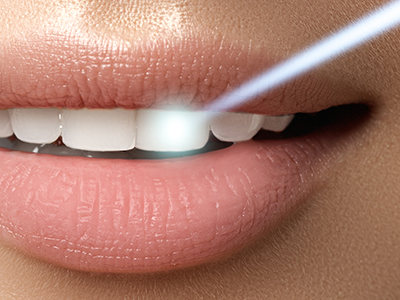
Soft tissue lasers are precise dental instruments that use focused light energy to cut or reshape the gums and other soft tissues inside the mouth. Unlike traditional scalpels, these tools vaporize tissue with concentrated wavelengths designed for soft-tissue applications, which lets clinicians work with fine control and minimal mechanical trauma. For parents and young patients, the visible difference is often a procedure that feels less intimidating and produces less immediate bleeding.
The technology itself is versatile: different wavelengths and power settings allow the dental team to tailor the laser’s action to a child’s specific needs. That same adjustability reduces collateral tissue damage and shortens the time required for many procedures. From minor contouring to more involved soft-tissue management, the laser offers a modern alternative to conventional instruments in pediatric dental care.
Importantly, the clinical goal remains the same as with traditional tools — safe, predictable outcomes that support oral health and function. The laser is a tool in that process, chosen when its properties improve precision, comfort, or healing. The choice to use a laser is made by the dental team based on the individual child’s anatomy, the treatment objectives, and the family’s preferences.
One of the most tangible advantages of soft tissue lasers for pediatric patients is comfort. Many children experience reduced anxiety when a procedure is described without the need for a blade, and the laser’s sealing effect on small blood vessels can mean less visible bleeding during treatment. That quieter, less intimidating environment helps clinicians work more efficiently while keeping the child calmer throughout the visit.
Healing after a laser procedure often proceeds more smoothly than with conventional incisions. Because the laser reduces trauma to adjacent tissue and can cauterize as it works, the inflammatory response is typically milder and the surface remains cleaner during initial recovery. That can translate to less soreness for a few days and fewer interruptions to a child’s daily routine, like eating and speaking.
Beyond short-term comfort, laser techniques can help reduce the need for sutures in many cases and can sometimes shorten follow-up visits. Families frequently appreciate these practical benefits — less recovery monitoring at home and fewer appointments — while clinicians value the ability to deliver precise care that supports long-term oral health.
In pediatric dentistry, soft tissue lasers are commonly used for a variety of targeted procedures. Frenectomies — releases of tight tissue under the tongue or lips — are a frequent example where a laser’s precision helps reduce the risk of excessive bleeding and supports quicker healing. This can be important for infants with breastfeeding difficulties as well as older children who need improved tongue or lip mobility.
Lasers are also valuable for treating localized gum inflammation or removing diseased tissue in a conservative way. In some cases of gum overgrowth or irritation around erupting teeth, the laser can contour tissue to reveal developing teeth or to make oral hygiene easier. Additionally, soft tissue lasers can assist with removing small lesions or in preparing tissue samples for diagnostic evaluation, when necessary.
Because the technology can be fine-tuned, it is often preferred for small, delicate areas where precision matters. That makes it a practical choice for many routine and restorative situations in a pediatric setting, supporting both functional outcomes and the child’s overall experience in the dental chair.
Safety is the first consideration whenever advanced technology is introduced into clinical care. Soft tissue lasers used in pediatric settings are designed with built-in safeguards, and clinicians follow established protocols for eye protection, calibrated power settings, and sterile technique. The laser does not replace clinical judgment; instead, it augments the team’s ability to perform controlled, tissue-specific interventions.
Clinicians who use lasers complete specialized training and maintain competency through hands-on practice and continuing education. That training covers device physics, appropriate indications, tissue interactions, and emergency procedures. Families should feel comfortable asking their provider about training and the specific model of laser being used — those conversations help ensure that the chosen approach aligns with a child’s needs.
At the office level, using a laser often complements other comfort measures such as topical anesthetics, gentle behavior guidance, and, when appropriate, sedation options for more complex or anxious patients. The overall treatment plan is individualized: the team evaluates whether laser therapy offers a clear advantage for the child before proceeding.
Preparing for a soft tissue laser procedure typically begins with a focused exam and a clear explanation of the recommended steps. For older children, the team will describe what they will hear and feel so the experience is predictable; for younger patients, parents receive guidance about pre-visit routines and how to help the child arrive calm and rested. Routine medical history questions ensure there are no contraindications to laser use.
During the appointment, the clinician will use eye protection for everyone in the room and will apply local measures as needed to keep the child comfortable. The procedure itself is often quicker than traditional approaches because of the laser’s ability to cut and coagulate simultaneously. Parents who prefer to be present are guided on how best to support their child at the chairside.
Aftercare instructions are straightforward and focus on gentle oral hygiene, monitoring for normal healing, and recognizing signs that warrant follow-up. Because laser-treated tissue can look different from scalpel-treated tissue in the first days, the team will explain expected appearance and sensations. Follow-up visits are scheduled when appropriate to confirm healing and to continue any subsequent dental or orthodontic steps.
Myers Pediatric Dentistry & Orthodontics embraces soft tissue laser technology as part of a broader commitment to gentle, effective pediatric dental care. If you’d like to learn more about whether a laser procedure is appropriate for your child, please contact us for more information.


A soft tissue laser is a dental instrument that uses focused light energy to cut, reshape, or remove gum tissue and other soft tissues inside the mouth. The device emits a specific wavelength that is absorbed by soft tissue, allowing clinicians to vaporize or precisely ablate tissue with minimal mechanical force. Because the laser can also cauterize small blood vessels as it works, procedures often involve less bleeding and a cleaner surgical field than some traditional methods.
In pediatric dentistry the laser is one of several tools available to achieve clinical goals such as improving function, correcting tissue attachments, or exposing erupting teeth. Operators can adjust wavelength and power settings to match the tissue type and the child’s needs, which helps reduce collateral tissue damage. When chosen appropriately, a laser can improve precision while supporting predictable healing and comfort for young patients.
Unlike a scalpel, which relies on a blade to make a mechanical incision, a soft tissue laser uses concentrated light to remove or reshape tissue without direct cutting with metal. That energy can seal small blood vessels and nerve endings as it works, which often reduces bleeding and immediate post-procedure swelling. The difference in tissue interaction usually results in less mechanical trauma to surrounding areas compared with some conventional techniques.
Lasers also allow for very fine control in small or delicate areas, which is important when working in a child’s mouth. The choice between laser and traditional instruments depends on the clinical objective, tissue characteristics, and the dentist’s experience with the technology. In many routine cases the laser is an effective alternative, but it does not replace sound clinical judgment or other time-tested methods.
Soft tissue lasers are commonly used for frenectomies, which release tight tissue under the tongue or lip to improve mobility and feeding or speech function. They are also used for gingival contouring to manage excess gum tissue around erupting teeth, to remove small oral lesions, and to create access for restorative care when soft tissue obscures a tooth. Because the laser can be precise, clinicians often choose it for targeted procedures in areas that require careful tissue management.
In addition to these uses, lasers can help prepare tissue for diagnostic biopsy and can conservatively remove diseased or inflamed tissue while preserving healthy structures. These applications are particularly useful in children because they can shorten procedure time and make aftercare easier for families. The specific indication is always determined by the treatment objective and the dentist’s assessment of the child’s anatomy and needs.
Yes, soft tissue lasers are safe for pediatric patients when operated by trained clinicians who follow established safety protocols. Manufacturers design clinical lasers with built-in safety features and the dental team uses protective measures such as wavelength-specific eye protection, calibrated power settings, and sterile technique to minimize risk. Training in tissue interactions and emergency procedures is an important part of maintaining safe, effective laser use.
At Myers Pediatric Dentistry & Orthodontics we integrate lasers into care plans only after a careful evaluation and when the benefits outweigh other options. Parents are encouraged to ask about the clinician’s training, the type of laser being used, and what safety measures will be in place during the appointment. Open communication helps ensure the chosen approach aligns with the child’s medical history and the family’s expectations.
Before the procedure the clinician will perform an exam, review medical history and explain what the child may hear, see, or feel to make the visit predictable and less frightening. Eye protection is provided for everyone in the room and topical or local anesthetic is used as needed to keep the child comfortable. The actual laser procedure is often quicker than comparable scalpel-based techniques because the laser can cut and coagulate simultaneously.
After the appointment families receive clear aftercare instructions focused on gentle oral hygiene, diet modifications if necessary, and signs that warrant follow-up. Healing from laser-treated tissue commonly involves less swelling and a reduced inflammatory response, but some mild soreness and a different tissue appearance are normal early on. The team will schedule follow-up as needed to confirm healing and to coordinate any additional dental or orthodontic steps.
Postoperative care focuses on keeping the area clean and avoiding irritation while tissue heals. Gentle rinsing, careful brushing around the treated site, and following any specific diet or activity guidance from the dental team help reduce the risk of infection and support comfortable healing. The clinician will provide instructions on when and how to use pain relief measures that are appropriate for the child’s age and medical history.
It is also important to watch for signs that require attention, such as prolonged bleeding, increasing pain, fever, or an unusual discharge from the site. If any of those occur, families should contact the office promptly so the team can evaluate the child and provide further care. Routine follow-up visits are scheduled based on the procedure and the child’s individual needs to confirm that healing is progressing as expected.
Certain medical conditions and medications can influence the suitability of laser therapy and should be discussed during the pre-procedure evaluation. Conditions that affect bleeding, tissue healing, or immune response—such as clotting disorders, uncontrolled diabetes, or immunosuppression—may require extra precautions or alternative approaches. Medications that increase bleeding risk, such as anticoagulants, should be disclosed so the team can coordinate care with the child’s medical providers when necessary.
Photosensitizing medications and some implants or electronic devices can also be relevant, depending on the type of laser being considered. The dental team will review the child’s complete medical history, consult with other providers if needed, and recommend the safest, most effective approach. Families should always bring an up-to-date medication list and any medical notes to the appointment.
Most children experience little to no pain during a laser procedure because topical or local anesthetic is used to numb the area before treatment. Some patients feel pressure, warmth or vibration rather than sharp pain, and clinicians explain sensations in age-appropriate terms to help reduce anxiety. If additional comfort measures are needed, the team can use behavior guidance techniques or discuss sedation options for more complex or anxious children.
After the procedure mild soreness or tenderness for a few days is common, but many children recover with minimal discomfort thanks to the laser’s cauterizing effect and reduced tissue trauma. The dentist will recommend appropriate over-the-counter pain relief if needed and provide specific aftercare steps to ease healing. Families should contact the office if pain worsens or is accompanied by other concerning symptoms.
Because soft tissue lasers coagulate as they cut, they often reduce or eliminate the need for sutures in many minor procedures. The sealing effect can shorten procedure time and decrease the amount of post-operative bleeding, which may simplify immediate aftercare for families. In some cases this also means fewer routine follow-up visits are required solely to monitor wound closure.
However, the decision to omit sutures or limit follow-up depends on the specific procedure, the extent of tissue involved, and the child’s healing response. The dental team evaluates each case individually and recommends the appropriate postoperative plan, including any necessary appointments for monitoring or additional treatment. The clinician’s priority is a safe outcome and predictable healing rather than minimizing visits for its own sake.
Choosing a laser involves a careful assessment of the child’s anatomy, oral health needs, behavior and the clinical objectives of the procedure. The dentist considers factors such as tissue thickness, proximity to important structures, the expected benefit in healing and comfort, and whether laser use will make subsequent dental or orthodontic steps easier. Parental preferences and the child’s ability to cooperate during treatment are also part of that shared decision-making process.
Our team at Myers Pediatric Dentistry & Orthodontics discusses the options with families, explains the reasons for recommending or not recommending laser therapy, and answers any questions about training and safety. When a laser offers a clear advantage we include it in the treatment plan; when another approach is preferable we describe those alternatives and the rationale. This collaborative approach helps families make informed choices that support both short-term comfort and long-term oral health.

Ready to schedule your child’s next dental visit or have questions about our services?
Contacting Myers Pediatric Dentistry & Orthodontics is simple! Our friendly team is here to help with scheduling appointments, explaining treatments, and answering any questions you may have. Whether you’d like to call, email, or use our easy online form, we’re ready to make your child’s dental experience positive and stress-free. Reach out today and give your little one a healthy, happy smile!
Back to top