New Patients
Existing Patients
New Patients
Existing Patients
New Patients
Existing Patients
New Patients
Existing Patients

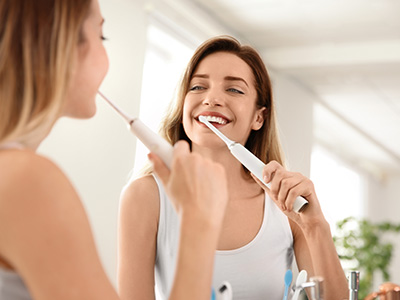
Sonicare toothbrushes rely on a high-frequency side-to-side motion that produces sweeping bristle movement and a dynamic fluid effect. Rather than depending solely on contact between bristles and tooth surfaces, this fluid action helps dislodge plaque from interproximal spaces and just below the gumline where manual brushing often leaves residue. The result is more thorough surface and near-surface cleaning with less need for aggressive scrubbing.
This approach is particularly helpful in areas that are difficult to reach with a manual brush: the tight contacts between teeth, the grooves of molars, and the transition between crown and gum. By moving fluid and toothpaste into those narrow channels, Sonicare can help remove particles and biofilm before they harden into tartar. Regular use encourages a cleaner oral environment, which supports overall preventive care.
Because the cleaning relies on rapid motion and fluid dynamics, users often find they can clean more effectively with gentler pressure. That gentleness matters, especially for children and patients with sensitive gums, because aggressive brushing can cause recession and enamel wear. Sonicare’s design aims to balance efficiency with soft handling of soft tissues.
It’s important to remember that an electric toothbrush is a tool—not a substitute for comprehensive care. When combined with flossing, fluoride toothpaste, and routine professional checkups, the sonic mechanism enhances home hygiene and helps maintain the gains achieved during dental cleanings.
Effective plaque control is central to preventing gum inflammation and halitosis. Sonicare’s ability to reach along the gumline helps reduce the bacterial load that contributes to gingivitis and bad breath. Over time, consistent reduction of plaque and biofilm lowers the risk of inflammation and can improve soft-tissue health when paired with proper daily routines.
For patients dealing with chronic dry mouth, a thorough but gentle clean is especially valuable: it removes food debris and bacterial buildup that dry oral environments can exacerbate. Sonicare’s sweeping action can be a helpful component of a broader strategy to manage symptoms and limit odor-causing bacteria, alongside recommended saliva substitutes and hydration strategies.
Sonicare can also ease tooth sensitivity for some users by improving enamel maintenance and minimizing abrasive brushing habits. Because the brush encourages a lighter touch, it can reduce the mechanical wear that often exposes dentin. Additionally, cleaning close to the gumline without undue force helps preserve gum tissue and the protective root coverage that prevents sensitivity.
While many people notice improved breath and reduced sensitivity with better home care, these outcomes depend on consistent, correct use and periodic professional evaluation. If sensitivity or gum concerns persist, a dental exam can identify underlying causes and tailor specific treatments.
People with restorations—crowns, veneers, implants—and those wearing braces or clear aligners need a dependable way to keep plaque from accumulating at margins and under wires. Sonicare’s fluid-driven cleaning reaches the gaps and interfaces where debris tends to collect, helping protect the integrity of restorations and the surrounding tissues when used correctly.
For implants and implant-supported restorations, plaque control is essential to prevent peri-implant inflammation. Sonicare’s gentle motion is designed to clean around abutments and prosthetic margins without exerting abrasive pressure on the prosthetic surfaces. Users should choose brush heads recommended for implants and follow professional guidance on techniques to avoid damaging delicate peri-implant tissue.
Orthodontic appliances create multiple retention points for food and biofilm. Sonicare brushes can complement interdental tools by flushing around brackets and under archwires, making it easier to maintain hygiene between orthodontic visits. For aligner wearers, sonic brushing followed by rinsing the aligner and teeth helps reduce the bacterial load that can accumulate when trays are worn for extended periods.
Always discuss the specifics of your restoration or orthodontic appliance with your dental team. They can recommend suitable brush heads, cleaning sequences, and any adjunctive devices—such as interdental brushes or water flossers—to create a comprehensive maintenance plan tailored to your needs.
Sonicare offers a range of brush heads and modes that influence cleaning style and comfort. Soft, compact heads are often preferred for children and patients with small mouths or sensitive gums, while larger heads provide broader coverage for adults. Specialized heads exist for plaque control, gum care, and whitening support—each designed to work with the same sonic platform but with slightly different bristle patterns and stiffness.
Many models include timing and pressure-sensing features that improve brushing habits. Timers encourage brushing for the dentist-recommended two minutes, while quad pacers ensure each quadrant receives equal attention. Pressure sensors alert users when they press too hard, helping prevent abrasion and gum recession over time.
Replacing brush heads at recommended intervals is an important maintenance step. Worn bristles lose effectiveness and can harbor bacteria; manufacturers typically advise replacement every three months or sooner if bristles splay. Storing brush heads upright and allowing them to air-dry helps keep them hygienic between uses.
For families, consider age-appropriate heads and settings. Many electric brushes include lower-intensity modes or kid-specific programs that make the experience more comfortable and engaging for younger users. The practice can advise which configuration best matches your child’s mouth size and oral condition.
Introducing an electric toothbrush to a child’s routine can be an effective way to build lifelong oral hygiene habits. Sonicare models with gentle modes and smaller brush heads are well suited to younger mouths. Parents should supervise brushing until a child demonstrates adequate dexterity and attention to technique, usually around the age recommended by your dental team.
When recommending oral-care tools for children, clinicians consider developmental factors, the presence of braces or sealants, and any history of sensitivity or enamel defects. An electric brush can be especially helpful for kids who rush through brushing or who find manual brushing tiring, provided parents monitor pressure and coverage to ensure safe, thorough cleaning.
Myers Pediatric Dentistry & Orthodontics often advises combining sonic brushing with complementary habits: daily fluoride toothpaste, regular flossing when contacts touch, and consistent dental checkups. This layered approach helps protect developing teeth and supports preventive interventions such as sealants when indicated.
Ultimately, choice and timing come down to the individual child. A short in-office demonstration or tailored guidance during a routine visit can help families adopt the right brush model, head size, and routine to maximize benefits while preserving tooth enamel and gum health.
In summary, Sonicare’s sonic technology offers a gentle yet effective way to enhance daily oral hygiene by removing plaque from hard-to-reach areas, supporting gum health, and accommodating restorations and orthodontics. When used as part of a complete preventive plan—including fluoride toothpaste, interdental cleaning, and regular dental exams—sonic brushing can be a valuable tool for maintaining healthy smiles. For personalized advice about which Sonicare model or brushing routine is right for your child, contact Myers Pediatric Dentistry & Orthodontics to speak with our team and learn more.


Sonicare electric toothbrushes use a high-frequency side-to-side motion to create rapid bristle movement and a dynamic fluid action around the teeth. This sonic motion moves toothpaste and saliva into narrow spaces that bristles do not directly touch, helping dislodge plaque from tight contacts and just below the gumline. The combined mechanical and fluid-driven cleaning enhances surface and near-surface hygiene without relying on aggressive scrubbing.
The sonic mechanism produces thousands of brush strokes per minute, which encourages effective cleaning with lighter pressure. Many devices also include timers and quad pacers to promote consistent two-minute brushing in all quadrants. When paired with proper technique, sonic brushing can improve daily plaque control and support preventive care routines.
The fluid dynamics generated by sonic motion push toothpaste and fluid into interproximal spaces, grooves of molars, and the transition between crown and gum where manual brushes often miss. This flushing effect helps lift biofilm and particles before they harden into calculus, reducing the accumulation of debris around tight contacts. By addressing these near-surface zones, sonic brushing complements direct bristle contact for a more thorough home-cleaning result.
Because the action relies on moving fluid rather than force, users can achieve effective cleaning with gentler pressure, which reduces the risk of abrasion. That gentleness is particularly useful near sensitive gum margins and on developing enamel. Regular use as part of a comprehensive routine helps preserve the improvements gained during professional cleanings.
Sonicare models with smaller brush heads and gentle modes are designed to accommodate children and patients with sensitive gums, enabling effective cleaning without excessive force. Parents should supervise brushing and help with coverage until a child demonstrates sufficient dexterity and attention to technique, and they should choose age-appropriate heads and lower-intensity settings. Using the correct size and mode helps avoid abrasion and protects developing enamel and soft tissue.
For specific timing about when to introduce an electric brush and which model best fits a child's needs, consult your dental team during routine visits. The team at Myers Pediatric Dentistry & Orthodontics can offer a hands-on demonstration and personalized guidance to match a child’s developmental stage and oral condition. Professional advice ensures safe adoption of sonic brushing while preserving oral health.
Sonicare offers a variety of brush heads and modes tailored for plaque removal, gum care, whitening, and smaller mouths; soft, compact heads are often recommended for children and sensitive patients. Many models include features such as timers, quad pacers, and pressure sensors that encourage the dentist-recommended duration of brushing and help prevent overpressure. Selecting a head and mode that match mouth size and tissue sensitivity improves comfort and effectiveness.
Replace brush heads at the manufacturer-recommended intervals or sooner if bristles splay, since worn bristles lose cleaning efficiency and can harbor bacteria. Store heads upright to air-dry and avoid closed containers that trap moisture. Combining sonic brushing with daily fluoride toothpaste and interdental cleaning produces the most reliable preventive results.
Sonicare’s ability to reach along the gumline and flush biofilm from marginal areas helps reduce the bacterial load that contributes to gingivitis and halitosis. Consistent removal of plaque and food debris lessens inflammation and the compounds that cause bad breath when performed as part of a daily care routine. Improved soft-tissue health over time depends on correct technique and regular professional monitoring.
For patients with chronic dry mouth, sonic brushing can be a useful component of a broader management strategy by removing odour-causing debris without abrasive pressure. It should be combined with hydration strategies, saliva substitutes when recommended, and routine dental evaluation to address underlying causes. Persistent gum inflammation or halitosis warrants a dental exam to identify and treat contributing factors.
Sonicare can complement interdental brushes and flossing by flushing around brackets, under archwires, and along restoration margins where plaque commonly accumulates. For aligner wearers, brushing teeth with a sonic brush before reinserting trays helps reduce the bacterial load on both teeth and appliances. When cleaning around crowns, veneers, or implants, choose brush heads and techniques recommended for prosthetic surfaces to avoid unnecessary abrasion.
Peri-implant tissues require careful plaque control to prevent inflammation, so follow professional guidance about appropriate heads and cleaning sequences. Your dental team can demonstrate targeted movements and adjunctive tools, such as interdental brushes or water flossers, to maintain restorations and appliances safely. Periodic clinical checks ensure that home care is protecting both natural teeth and prosthetic work.
Manufacturers typically advise replacing brush heads about every three months or sooner if bristles show visible wear, since flattened or splayed bristles lose cleaning power. Regular replacement maintains effective plaque removal and reduces the potential for bacterial buildup on the head. Keep a simple replacement schedule so brush heads are changed consistently as part of preventive hygiene.
Between uses, rinse brush heads thoroughly, store them upright to air-dry, and avoid covering them while wet to limit microbial growth. Clean handle surfaces and charging bases according to the device instructions to prevent residue accumulation. Proper storage and timely replacement extend the device’s benefits and support oral health.
Sonicare can help reduce sensitivity for some patients by encouraging gentler brushing and minimizing mechanical wear that exposes dentin. By promoting lighter pressure and effective plaque removal at the gumline, sonic brushing helps preserve enamel and protective root coverage that guard against sensitivity. Improved enamel maintenance and reduced recession both contribute to lower sensitivity over time.
However, sensitivity has multiple causes, including erosion, cracked teeth, or exposed root surfaces, so outcomes vary by individual. If sensitivity persists despite improved home care, a dental exam can identify the underlying cause and recommend targeted treatments such as topical desensitizers or restorative options. Regular monitoring ensures that sensitivity is managed safely and effectively.
Introduce an electric toothbrush as part of a layered preventive strategy that includes daily fluoride toothpaste, routine flossing when contacts touch, and regular dental checkups. Parents should supervise until a child has the motor skills and attention to brush thoroughly for the recommended duration, and they should model good technique to reinforce consistent habits. Age-appropriate heads and lower-intensity modes make the experience more comfortable and help sustain engagement.
Clinicians also consider developmental factors, sealants, and any history of sensitivity or enamel defects when recommending tools for children. A short in-office demonstration during a routine visit can help families adopt the right model, head size, and routine to maximize benefits. Combining sonic brushing with professional preventive care supports healthy, long-lasting oral habits.
A dental team can assess oral anatomy, sensitivity, restorations, and orthodontic appliances to recommend a specific brush head, mode, and sequence tailored to your needs. Hands-on demonstrations during a visit show proper technique, pressure management, and coverage so families can replicate effective habits at home. Clinician guidance helps match device features like timers, pressure sensors, and head sizes to the patient’s age and oral condition.
The team at Myers Pediatric Dentistry & Orthodontics is prepared to evaluate individual needs and provide personalized instruction that complements professional care. Scheduling a brief consultation or asking for an in-office demonstration during a routine appointment can clarify which model and routine will best support ongoing preventive goals. Professional input ensures safe, effective adoption of sonic brushing as part of an overall oral health plan.

Ready to schedule your child’s next dental visit or have questions about our services?
Contacting Myers Pediatric Dentistry & Orthodontics is simple! Our friendly team is here to help with scheduling appointments, explaining treatments, and answering any questions you may have. Whether you’d like to call, email, or use our easy online form, we’re ready to make your child’s dental experience positive and stress-free. Reach out today and give your little one a healthy, happy smile!
Back to top
