New Patients
Existing Patients
New Patients
Existing Patients
New Patients
Existing Patients
New Patients
Existing Patients


Sterilization is a foundational part of safe dental care. At its simplest, sterilization means using validated processes to eliminate all microbial life from instruments and devices before they touch a patient. In a pediatric setting, where parents rightly expect extra caution and children may be especially vulnerable, a rigorous sterilization program protects patients, staff, and the broader community.
Children present unique infection-control considerations: developing immune systems, frequent visits for preventive care, and a greater likelihood of uncooperative behavior that can increase exposure risk. Proper sterilization reduces the chance that instruments transfer bacteria, viruses, or fungal spores between patients. This is not just about routine cleanliness — it is about preventing avoidable infections and maintaining trust at every visit.
Regulatory guidance from authorities such as the Centers for Disease Control and professional organizations like the American Dental Association establishes minimum expectations for instrument processing. Following these standards helps dental teams meet legal and clinical benchmarks while ensuring consistent, repeatable results. In practice, that means systems and routines rather than ad hoc cleaning.
Beyond regulatory compliance, a strong sterilization program supports clinical outcomes. When instruments are processed correctly, restorative and surgical procedures proceed without avoidable complications linked to contamination. For families seeking dependable pediatric dental care, visible and well-executed sterilization practices are an important part of quality assurance.
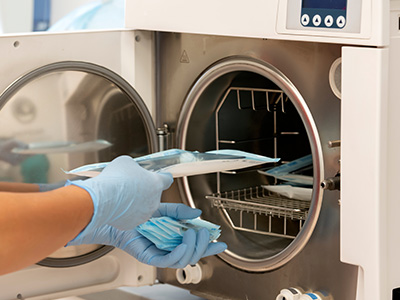
Steam autoclaves are the workhorse of dental sterilization because they reliably inactivate microorganisms through a combination of high temperature, pressure, and time. Typical cycles use saturated steam at elevated pressure to penetrate packaged instruments, ensuring effective sterilization of solid and hollow instruments alike. Modern autoclaves include programmable cycles and built-in safety checks to make the process consistent and verifiable.
Not every item is suitable for steam sterilization. Heat- or moisture-sensitive devices may require alternatives such as low-temperature sterilization systems, validated chemical sterilants, or single-use disposables. The practice of selecting the correct method for each type of instrument is part of an overall sterilization policy and helps preserve the function and longevity of delicate equipment.
Complementary technologies — such as ultrasonic cleaners for initial debris removal, washer-disinfectors for efficient pre-sterilization cleaning, and drying systems that protect packaging integrity — all feed into the autoclave process. When these steps are integrated into a single workflow, the cumulative effect is far greater than any single device operating in isolation.
Sterilization begins the moment an instrument is removed from the patient area. Safe handling includes immediate containment of sharps, careful transfer to a dedicated decontamination zone, and prompt gross-soil removal. This minimizes biofilm development and makes subsequent cleaning and sterilization more reliable. Segregated spaces and clearly defined roles reduce cross-contamination risk and streamline throughput.
Packaging plays a vital role in maintaining sterility after processing. Instruments are inspected, assembled into sets where appropriate, and placed in validated pouches or cassettes that permit steam penetration while protecting contents after the cycle is complete. Proper drying and sealing steps are essential because moisture can compromise barrier integrity and lead to recontamination.
Logistics also matter: instruments should be stored in a clean, dry area and not exposed to traffic or humidity. Single-use items are disposed of safely after use, and reusable items are only returned to clinical areas once their sterility has been confirmed. A clearly defined chain of custody — from patient use to reprocessing to storage — maintains traceability and minimizes error.
Routine monitoring separates assumptions from assurance. Chemical indicators placed inside each package provide immediate visual confirmation that a sterilization parameter was met during the cycle. In addition, biological monitoring — using spore tests — is performed on a scheduled basis to validate sterilizer performance. These tests are the most direct measure that the sterilization process is effective against hardy organisms.
Recordkeeping is a compliance and safety tool: logbooks or digital records capture cycle parameters, maintenance activities, monitoring outcomes, and corrective actions when deviations occur. When a sterilizer fails to meet criteria, documented protocols guide quarantine of instruments, equipment servicing, and repeat testing. This systematic approach protects patients and supports internal quality audits.
Preventive maintenance and service contracts for sterilization equipment help preserve cycle reliability. Regular calibration, gasket inspection, and filter replacement reduce the risk of unexpected failures. Pairing equipment care with staff training ensures that both machines and people are contributing to consistent, repeatable sterilization outcomes.
Technology is only as effective as the people who use it. Comprehensive staff training covers instrument cleaning, sterilizer operation, monitoring, and trouble‑shooting. Training is documented and refreshed regularly to reflect new devices, updated standards, or changes in workflow. A culture that encourages reporting and continuous improvement helps identify small issues before they become patient-safety problems.
In a pediatric practice, clear communication with parents and caregivers can reinforce confidence. Explaining in plain terms that instruments go through multi-step processing, are monitored daily, and are handled in a separate sterilization area helps set expectations without delving into unnecessary technical detail. Visual cues in the office — such as a dedicated sterilization area and staff who follow visible safety steps — also contribute to reassurance.
Finally, the team’s commitment to sterilization is part of a broader infection-prevention strategy that includes hand hygiene, surface disinfection, safe injection practices, and maintenance of dental unit waterlines. When these elements operate together, they create multiple layers of protection that reduce risk and uphold the highest standards of care.
In summary, an effective sterilization program combines validated equipment, disciplined workflows, ongoing monitoring, and a culture of safety to protect patients and staff. Myers Pediatric Dentistry & Orthodontics follows these principles to ensure instruments are processed consistently and responsibly. If you would like more information about our sterilization practices or infection-control protocols, please contact us for further details.


Sterilization is the validated process that eliminates all microbial life from dental instruments and devices before they touch a patient. In pediatric dentistry this practice is especially important because children often have developing immune systems and visit the office frequently for preventive and restorative care. Consistent sterilization reduces the risk of transmitting bacteria, viruses, or fungal spores between patients and supports safe procedural outcomes.
Following recognized standards from organizations such as the Centers for Disease Control and the American Dental Association ensures that instrument processing is repeatable and verifiable. A strong sterilization program protects patients, staff, and families by creating multiple layers of infection prevention. Clear policies and visible workflows also help build trust with caregivers who expect extra caution for their children.
Steam autoclaves use saturated steam, pressure, and controlled time to inactivate microorganisms by denaturing proteins and destroying cell structures. These devices reliably penetrate packaged instruments and are effective against a wide range of organisms, which is why they are the workhorse of dental sterilization. Modern autoclaves include cycle controls and recording features that support documentation and quality assurance.
Autoclave selection and cycle selection are matched to instrument type and packaging to ensure proper sterilization without damaging equipment. Routine maintenance and validation, such as biological spore testing, are essential to confirm that autoclaves are functioning as intended. When used alongside ultrasonic cleaners and proper packaging, autoclaves form a robust final step in the instrument-processing workflow.
Many reusable dental instruments are designed to tolerate steam sterilization and are processed through the full autoclave cycle after cleaning and inspection. Items that are heat- or moisture-sensitive require alternative validated approaches such as low-temperature sterilization systems, chemical vapor sterilants, or single-use disposable devices. The choice of method is based on manufacturer instructions for use and infection-control guidelines to preserve device function and patient safety.
Single-use items provide a practical option when validated reprocessing is not available or when cost-effective disposables reduce turnaround time and cross-contamination risk. Regardless of method, staff follow written procedures that document how each class of instrument is handled, cleaned, processed, and stored. This ensures the correct approach is used every time and supports traceability in the event of an incident.
Safe instrument handling begins immediately after use with containment of sharps and transport to a designated decontamination zone to prevent exposure and biofilm formation. Gross debris is removed and instruments are placed in ultrasonic cleaners or washer-disinfectors to reduce bioburden before inspection and packaging. Segregated work areas, clear role assignments, and consistent protocols minimize cross-contamination and streamline throughput.
After cleaning and inspection instruments are assembled into sets when appropriate and placed in validated pouches or cassettes that permit sterilant penetration while protecting the contents. Proper drying and sealing preserve barrier integrity; wet or improperly packaged items are reprocessed. A defined chain of custody from patient use to reprocessing to storage supports organization and reduces risk of error.
Monitoring combines immediate chemical indicators with routine biological testing to separate assumption from assurance. Chemical indicators inside packages provide visual confirmation that a sterilization parameter was met during a cycle, while biological spore tests performed on a scheduled basis validate the sterilizer’s ability to inactivate the most resistant organisms. Both forms of monitoring are part of a comprehensive quality program required by professional guidance.
Recordkeeping captures cycle parameters, maintenance actions, monitoring results, and corrective steps when deviations occur, creating an auditable history of instrument processing. When a failure is detected, protocols for quarantining instruments, servicing equipment, and retesting are followed before items return to clinical use. Preventive maintenance agreements and regular calibration further reduce the risk of unexpected sterilizer downtime.
Devices that cannot tolerate high temperatures or moisture are identified by staff and reprocessed using validated low-temperature sterilization methods or high-level disinfection according to manufacturer instructions. Options include hydrogen peroxide plasma, vaporized hydrogen peroxide, and approved chemical sterilants, each used within their validated parameters to achieve the required microbial kill. Staff training ensures the correct selection and handling for each device type.
Where reprocessing is not feasible or validated, single-use disposable alternatives are chosen to maintain patient safety without risking device damage. Documentation indicates which method was used for each item and why, supporting traceability and compliance. Careful inventory management and adherence to manufacturer guidance protect both patients and equipment.
Packaging is essential to preserve sterility after a validated sterilization cycle; pouches and cassettes are selected based on compatibility with the sterilant and the shape of the instruments. Proper drying and sealing are critical because retained moisture can compromise barrier integrity and allow recontamination during storage. Packaged instruments should be labeled with cycle information and inspected for integrity before placement in storage.
Storage areas must be clean, dry, and protected from traffic, dust, and humidity to preserve the sterile condition until items are needed in the operatory. First-in, first-out rotation helps ensure instruments are used within their intended shelf life, and damaged or compromised packages are removed and reprocessed. These steps complete the processing cycle and maintain confidence that instruments remain sterile until use.
When a sterilization cycle does not meet established parameters, instruments from that cycle are quarantined immediately and not returned to clinical use until the issue is resolved. The practice follows documented corrective action procedures that include servicing the sterilizer, retesting with biological indicators, and reprocessing affected instruments once the equipment is confirmed to function properly. Clear documentation of the incident and actions taken preserves traceability and supports internal review.
If an instrument is suspected of contamination in the clinical setting, it is removed from service, photographed or logged as needed, and sent for reprocessing under the same validated procedures as newly used instruments. Staff training and a culture of prompt reporting reduce the risk that compromised items remain in circulation. These steps protect patient safety and maintain the integrity of the sterilization program.
Technology and equipment are effective only when people use them correctly, so comprehensive initial and ongoing training is essential for every member of the instrument-processing team. Training covers cleaning, sterilizer operation, monitoring procedures, packaging techniques, and troubleshooting, with documentation of competency and periodic refreshers to reflect new devices or updated standards. A culture that encourages reporting, feedback, and continuous improvement helps identify small issues before they become patient-safety problems.
Routine audits, competency checks, and open communication between clinical and support staff reinforce consistent application of procedures and promote shared ownership of infection-prevention goals. Leadership commitment to resourcing equipment maintenance and staff education demonstrates organizational priority. These elements together create predictable, repeatable outcomes that protect patients and staff.
Parents and caregivers benefit from clear, plain-language explanations about instrument processing without being overwhelmed by technical detail; staff can describe the multi-step workflow, the use of autoclaves and monitoring, and the existence of separate sterilization areas. Visual cues in the office, such as a visible sterilization room or labeled packaging, reinforce verbal explanations and help families feel reassured about safety practices. Offering to answer specific questions in person allows caregivers to address particular concerns about their child’s care.
At Myers Pediatric Dentistry & Orthodontics the team welcomes inquiries about infection-prevention protocols and will explain how sterilization integrates with hand hygiene, surface disinfection, and other safety measures. Clear communication and transparency about routine monitoring and staff training support confidence without exposing unnecessary technical detail. Families who want more information can request to speak with clinical leadership for additional clarification.

Ready to schedule your child’s next dental visit or have questions about our services?
Contacting Myers Pediatric Dentistry & Orthodontics is simple! Our friendly team is here to help with scheduling appointments, explaining treatments, and answering any questions you may have. Whether you’d like to call, email, or use our easy online form, we’re ready to make your child’s dental experience positive and stress-free. Reach out today and give your little one a healthy, happy smile!

Back to top