New Patients
Existing Patients
New Patients
Existing Patients
New Patients
Existing Patients
New Patients
Existing Patients

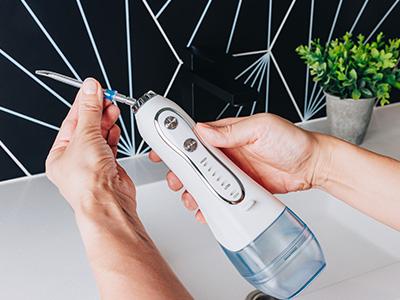
Water flossers—sometimes called oral irrigators—use a focused stream of pulsating water to remove plaque, food particles, and bacteria from between teeth and along the gumline. Instead of a thread of string, these devices direct tiny, controlled bursts of water to dislodge debris and stimulate circulation in the gums. The device typically includes a reservoir, a pump, and interchangeable tips designed for different needs, from standard interdental cleaning to targeted periodontal care.
Operation is straightforward: users fill the reservoir, select a pressure setting that feels comfortable, and guide the tip along the gumline and between teeth. The combination of mechanical flushing and gentle pulsation helps break up sticky plaque and rinse it away, reaching areas that toothbrushes and conventional floss sometimes miss. For many patients, the experience is faster and easier than string flossing, which can improve consistency and daily oral hygiene habits.
While water flossers are popular for home use, they are not a replacement for professional dental care. Instead, they function as an effective adjunct to brushing and routine dental visits. When used correctly, an oral irrigator becomes an important part of a patient’s preventive program—helping protect gums, reduce irritation, and support overall oral health between appointments.
Scientific interest in oral irrigation has grown over the past few decades. Multiple clinical studies conducted at university dental programs and independent research centers have evaluated the safety and effectiveness of water flossing. These investigations generally find that water irrigation can reduce gingival inflammation and bleeding, especially when it is added to a daily oral hygiene routine that includes brushing.
Research also highlights the device’s suitability for a range of clinical situations. Studies have examined outcomes for patients with gingivitis and early periodontal disease, and have shown that water flossers can reach areas that are difficult to clean with traditional floss. The evidence supports water irrigation as a reliable tool for improving gum health when used consistently and correctly.
As with any dental product, individual results vary and findings depend on study design and patient adherence. Dental professionals evaluate the evidence alongside a patient’s medical and dental history to recommend the best tools for ongoing care. When chosen and used appropriately, a water flosser is a research-supported option that complements professional preventive measures.
For many families, adherence to daily flossing routines is the biggest challenge. Children—and sometimes busy caregivers—may resist string floss because it can feel fiddly or uncomfortable. A water flosser often makes interdental cleaning more approachable: the device is easier to handle, requires less manual dexterity, and can feel more like a simple, quick step in a brushing routine.
Beyond ease of use, water flossers can be gentler on tender gums. The pulsating water stream helps reduce bleeding and inflammation that may be associated with improper or inconsistent flossing. This is particularly useful for young patients who are learning oral hygiene skills or for those with sensitive gums following dental procedures.
Family use of a water flosser can encourage better hygiene habits by simplifying the process and making it more consistent. Parents should supervise younger children and select appropriate pressure settings and tips. With guidance, children can learn effective technique early, which supports long-term oral health and reduces the likelihood of preventable problems.
Oral irrigators are especially helpful when appliances or restorations make traditional flossing difficult. Braces create many small spaces where food and plaque collect; a water flosser can flush around brackets, wires, and between teeth more easily than string floss. For kids and teens undergoing orthodontic treatment, irrigation often improves cleanliness around hardware and supports healthier gum tissue during tooth movement.
For patients with implants, crowns, or fixed bridges, water flossers provide a non-abrasive way to clean along restoration margins and around implant posts. The stream of water reaches under pontics and around crowns to remove trapped debris and lower bacterial load in areas that are hard to access with brushes alone. Clinical literature indicates these devices are safe for use around many types of restorations when used as recommended.
Patients with periodontal concerns or deeper gum pockets may also benefit from targeted irrigation. Certain tips allow for more focused delivery of water—or antimicrobial mouth rinses under professional guidance—into shallow periodontal sites. That said, more advanced periodontal disease requires professional management; irrigation is an adjunct that supports home care between clinical visits rather than a standalone treatment.
When appliances or restorations are present, it’s important to follow manufacturer instructions and any personalized advice from your dental provider. Proper tip selection, pressure settings, and cleaning technique will maximize benefits while minimizing the risk of discomfort or improper use.
Start with the basics: fill the reservoir with lukewarm water, select the lowest comfortable pressure, and lean over the sink to avoid splashing. Aim the tip at a 90-degree angle to the gumline and move slowly along each tooth, pausing briefly between contacts. Spend time on both the facial and lingual surfaces so you create a thorough rinse that reaches beneath the gum margin as well as between teeth.
Choose the right tip for your needs. Most devices come with multiple tips—standard for daily cleaning, orthodontic tips for braces, periodontal tips for deeper sites, and specialized tips for implants or pediatric use. Replace tips according to the manufacturer’s recommendations and keep the unit clean to prevent biofilm buildup in the reservoir and tubing.
Incorporate irrigation into an established oral hygiene routine rather than substituting it for brushing. Brush twice daily with fluoride toothpaste and use the irrigator once daily at minimum, or as recommended by your dental professional. For young children or patients with special needs, supervised use and gradual acclimation to the device will improve comfort and effectiveness.
For tailored guidance, ask your dental team about technique, timing, and tip selection. The practice can demonstrate proper use during an appointment and suggest how irrigation fits into a personalized preventive plan. When used consistently and correctly, a water flosser becomes a reliable component of daily oral care that supports healthier gums and cleaner restorations.
Summary: Water flossers are a practical, research-supported tool that can simplify interdental cleaning and help maintain healthy gums—particularly for patients with braces, restorations, or limited dexterity. Numerous clinical studies at university and independent research centers have demonstrated the safety and effectiveness of water irrigation when used as an adjunct to brushing. If you’d like to learn whether a water flosser is right for your child or family, contact Myers Pediatric Dentistry & Orthodontics for more information and personalized guidance.


A water flosser, sometimes called an oral irrigator, uses a focused stream of pulsating water to dislodge food particles, plaque, and bacteria from between teeth and along the gumline. Most units include a reservoir, a pump and interchangeable tips that deliver controlled bursts of water for interdental cleaning or targeted periodontal care. The pulsation and pressure of the stream break up sticky plaque and rinse debris away from areas that can be hard to reach with a toothbrush alone. When used correctly, a water flosser can make daily interdental cleaning quicker and easier for many families.
Operation is straightforward: fill the reservoir, choose a pressure setting that feels comfortable and guide the tip along the gumline and between teeth while leaning over the sink. Move slowly and pause briefly at each contact point to allow the stream to flush beneath the gum margin. Water flossers are intended as an adjunct to brushing rather than a replacement, so they work best as part of a regular oral hygiene routine. For questions about technique, ask your dental provider for a demonstration during a visit.
Clinical studies from university and independent research centers indicate that water irrigation can reduce gingival inflammation and bleeding, particularly when added to a daily routine that includes brushing. Investigations that compare water flossing with string flossing often find similar or improved reduction in bleeding on probing and measures of gum health when irrigation is used consistently. The quality and design of studies vary, and outcomes depend on device type, tip selection and patient adherence to recommended technique. Overall, the evidence supports water flossing as a reliable adjunctive measure to support gum health.
Dental professionals evaluate scientific evidence together with a patient’s medical and dental history to recommend the most appropriate tools. Results vary by individual, and improvements are more likely when irrigation is used daily and combined with good brushing. For patients with specific conditions such as periodontal pockets, studies show targeted irrigation can reach difficult areas that string floss may miss. Your dental team can help interpret research findings and translate them into practical guidance for home care.
Many families find that a water flosser improves consistency because the device is easier to handle and requires less manual dexterity than string floss. Children and busy caregivers often respond better to a simple, quick step that feels less fiddly, which can increase daily compliance and support healthier habits. The pulsating stream is generally gentler on tender gums and can reduce bleeding associated with inconsistent or improper flossing technique. This gentleness makes irrigation especially useful for young patients learning oral hygiene or those with sensitive gums after dental treatment.
Parents should supervise younger children and select appropriate pressure settings and tips to ensure a safe, comfortable experience. Pediatric or lower-pressure tips help introduce the device gradually while teaching proper technique and positioning. For families with multiple users, storing and labeling tips prevents cross-use and maintains hygiene. If you are unsure which settings or tips are best for your child, the practice can provide hands-on coaching during a routine visit.
Yes. Water flossers are particularly helpful for patients with orthodontic appliances because the stream of water can flush around brackets, wires and between teeth more effectively than traditional floss in many cases. For implants, crowns and fixed bridges, irrigation provides a nonabrasive way to clean along restoration margins and around implant posts, helping to remove trapped debris and lower bacterial load. Specialized tips are available for orthodontic and implant care to deliver a more focused stream where it is needed. Regular use can help maintain healthier gum tissue while appliances are in place, provided instructions are followed.
Patients with periodontal concerns or deeper gum pockets may benefit from tips designed to reach shallow periodontal sites, sometimes under the guidance of a dental professional. That said, irrigation is an adjunct to professional periodontal management and not a substitute for clinical treatment when advanced disease is present. Always follow manufacturer instructions for tip selection and pressure, and consult your dentist or hygienist for advice tailored to your restorations or appliances. Proper technique maximizes benefits and minimizes the risk of discomfort or misuse.
Begin with lukewarm water and the lowest comfortable pressure setting to minimize discomfort and avoid startling sensitive tissues. Lean over the sink to control splashing, hold the tip at approximately a 90-degree angle to the gumline and move slowly along each tooth, pausing briefly between teeth to allow the stream to rinse beneath the gum margin. Be sure to address both the facial and lingual surfaces so the rinse reaches all interdental spaces. Start with short sessions and increase time as comfort and technique improve.
Choose the tip that matches your needs—standard for daily cleaning, orthodontic for braces, periodontal for deeper sites and pediatric tips for smaller mouths—and replace tips according to the manufacturer’s guidance. Keep the reservoir and tubing clean by emptying and drying the unit after use and following recommended descaling or sanitizing steps to prevent biofilm. Incorporate irrigation into an established routine rather than substituting it for brushing, and ask your dental team for a hands-on demonstration if you need technique tips. Consistent, correct use delivers the best oral health benefits.
Select a unit that matches your family’s needs by considering reservoir size, pressure range and available tips, and look for pediatric or travel-friendly models if space or simplicity matters. A model with adjustable pressure settings is helpful so you can begin at a gentle level and increase as your child becomes comfortable. Pediatric tips or smaller-diameter nozzles are designed for smaller mouths and can make the experience less intimidating for young users. Ease of cleaning and tip-replacement availability are practical features to factor into your decision.
Orthodontic and periodontal tips address specific needs like braces or shallow pocket irrigation, while standard tips are sufficient for everyday interdental cleaning. Reading product specifications and manufacturer guidance helps match a model to intended use, but the most reliable way to choose is to consult your dental team for personalized recommendations. Your dentist or hygienist can suggest specific tips and settings based on your child’s dental condition and orthodontic status. Proper tip selection improves comfort and effectiveness.
Introduce the device gradually and make the experience predictable by demonstrating how it works on yourself first so the child can see and hear what to expect. Start on the lowest pressure setting and use short, positive sessions to build tolerance, praising calm behavior and offering breaks when needed. Use a pediatric tip and position the child or device so they are comfortable and steady, and always supervise use to ensure proper technique and safety. Turning introduction into a brief, consistent part of the routine makes adoption easier over time.
For children with special needs, adapt the approach to their sensory and motor preferences by adjusting pressure, timing and positioning, and consider working with your dental team to develop stepwise desensitization strategies. Occupational therapists or the practice’s special-needs experts can suggest modifications that improve comfort and cooperation. If oral hypersensitivity or behavioral concerns are significant, the dental team can recommend alternatives or a tailored plan to maintain oral hygiene safely. Patience and small, successful steps usually lead to progress.
After each use, empty and rinse the reservoir, run a short cycle of clean water through the unit and allow all parts to air dry when possible to minimize standing water and microbial growth. Follow the manufacturer’s recommendations for regular descaling and periodic deep cleaning, which may include using a mild vinegar solution or a manufacturer-approved cleaner to remove mineral buildup. Replace tips according to the schedule provided with your unit and discard any tips that show wear or damage. Keeping the exterior and storage area clean also reduces the risk of contamination.
Store tips separately and label them if multiple family members use the same base unit to prevent cross-use. Periodically inspect tubing and seals for signs of deterioration and contact the manufacturer for replacement parts when needed. If you notice an unusual odor, discoloration or performance change, perform a full cleaning cycle and consult the user manual for troubleshooting steps. Regular maintenance preserves performance and helps ensure safe, effective irrigation at home.
Exercise caution when using higher pressure settings around recent surgical sites, open wounds or acute oral infections, and follow any post-operative instructions from your dentist or surgeon. Avoid directing a powerful stream into deep untreated periodontal pockets without professional guidance, as improper technique could cause discomfort or unintended irrigation of periodontal tissues. Patients with compromised immune systems or certain medical conditions should discuss home irrigation with their dentist or physician to ensure it is appropriate for their situation. When in doubt, seek professional advice rather than guessing at safe use.
Keep the tip away from the throat and avoid forcing the nozzle into tight spaces to reduce the risk of gagging or soft tissue injury. Use child-appropriate pressure levels and always supervise younger users to maintain safe technique. If you experience persistent pain, increasing swelling or unusual symptoms after starting irrigation, stop use and contact your dental provider for an evaluation. Professional guidance ensures irrigation supports healing and oral health without introducing unnecessary risk.
A water flosser complements twice-daily brushing by providing targeted interdental and subgingival irrigation that helps reduce plaque and gingival inflammation when used consistently. For children with braces, restorations or limited dexterity, irrigation often improves daily cleanliness and supports healthier gums between professional visits. Incorporate the irrigator into an established routine—brushing first, then irrigation—and aim for daily use or the frequency recommended by your dental team. Consistent home care paired with regular professional checkups produces the best preventive outcomes.
During routine visits your dental team can evaluate technique, recommend specific tips and adjust pressure settings to match your child’s needs. If you would like personalized instruction or a demonstration, ask the team at Myers Pediatric Dentistry & Orthodontics during your child’s next appointment. Tailored guidance ensures the device is used safely and effectively as part of a long-term preventive plan. Ongoing communication with your dental provider helps maintain healthy smiles as your child grows.

Ready to schedule your child’s next dental visit or have questions about our services?
Contacting Myers Pediatric Dentistry & Orthodontics is simple! Our friendly team is here to help with scheduling appointments, explaining treatments, and answering any questions you may have. Whether you’d like to call, email, or use our easy online form, we’re ready to make your child’s dental experience positive and stress-free. Reach out today and give your little one a healthy, happy smile!

Back to top
