New Patients
Existing Patients
New Patients
Existing Patients
New Patients
Existing Patients
New Patients
Existing Patients

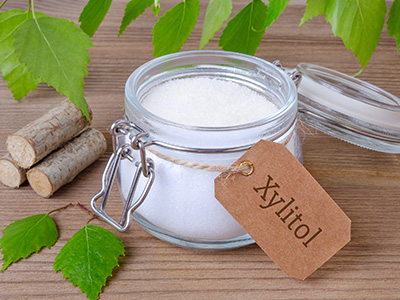
Xylitol is a naturally occurring sugar alcohol found in many fruits and vegetables and commonly extracted from hardwoods or corn cobs for commercial use. Unlike table sugar (sucrose), xylitol is not fermentable by the oral bacteria that create tooth-decaying acids. That chemical distinction is what gives xylitol its relevance to preventive dental care—especially for children, whose developing teeth and eating habits can make them more vulnerable to cavities.
Because xylitol tastes sweet but behaves differently in the mouth, it has become a popular additive in gums, mints, toothpastes, and pediatric oral care products. These products are not meant to replace daily brushing, flossing, or fluoride use; instead, they serve as an adjunctive tool to reduce cavity risk when used appropriately. For families, xylitol can be an easy and practical way to support oral hygiene between meals and after snacks.
At Myers Pediatric Dentistry & Orthodontics, we view xylitol as one of several evidence-supported measures that can complement routine preventive care. When introduced carefully and in age-appropriate formats, xylitol-based products can help reinforce healthy habits and make daily oral care more effective for children.
Xylitol’s protective effects come from how it interacts with oral bacteria and saliva. Cariogenic bacteria—most notably Streptococcus mutans—thrive on fermentable sugars and produce acids that erode enamel. Xylitol cannot be fermented by these bacteria, so when it replaces fermentable sugars it reduces acid production and lowers the overall risk of enamel breakdown.
Beyond inhibiting acid formation, xylitol appears to interfere with the ability of harmful bacteria to adhere to tooth surfaces. Over repeated exposure, this can reduce the number of cavity-causing bacteria in plaque. Xylitol also stimulates salivary flow when chewed, which helps neutralize acids and supports the natural remineralization process by delivering calcium and phosphate back to the enamel surface.
These combined effects—less acid, reduced bacterial adherence, and increased saliva—are why xylitol can be a meaningful preventive agent, particularly when integrated into a consistent oral care routine for children and adolescents.
Xylitol is available in many consumer-friendly formats: chewing gums, mints, lozenges, syrups, toothpastes, and pediatric mouth rinses. For older children and teens, sugar-free chewing gum or mints can be convenient after meals and snacks. For younger children who cannot safely chew gum, xylitol-sweetened toothpastes or dissolvable lozenges designed for pediatric use are better choices.
When selecting a product, look at the ingredient list to confirm xylitol is a primary sweetener rather than a minor component. Product labels and concentration vary, and greater amounts of xylitol per serving generally produce stronger anti-caries effects. Parents should also consider texture and choking risk—small hard candies or gum are inappropriate for toddlers and preschoolers and should be used only under supervision for older children.
Consistency matters as much as the product form. Choosing an option that fits your child’s age, chewing ability, and daily routine will help ensure regular use. Your dental team can help you select safe, effective xylitol products that support your family’s oral health goals.
To gain preventive benefits, xylitol needs to be used regularly and at multiple intervals throughout the day. Short, repeated exposures—such as after meals and between snacks—are more effective than a single large dose. For children who can chew safely, sugar-free gum after meals is a practical strategy to stimulate saliva and lower acid levels. For younger children, parent-administered toothpaste or dissolvable xylitol mints are safer alternatives.
Parents should supervise use to prevent choking and to ensure proper oral hygiene is still practiced. Xylitol is not a substitute for brushing with fluoride toothpaste, regular dental visits, or dietary measures that limit frequent sugar intake. Instead, consider it an additional preventive layer when paired with these foundational practices.
Be mindful of potential digestive sensitivity: some children may experience mild gastrointestinal upset if they consume large amounts of sugar alcohols. Start with modest, age-appropriate use and monitor tolerance. If you have questions about introducing xylitol for a specific child—especially those with special health needs—consult your dentist for personalized recommendations.
Decades of studies have observed reductions in cavity rates when xylitol is used consistently as part of a preventive program. Clinical trials and population studies point to lowered incidence of new cavities and decreased levels of harmful oral bacteria with regular xylitol exposure. While results vary with product type and adherence, the overall evidence supports xylitol as a useful adjunct in caries prevention strategies.
Dental professionals interpret these findings in the context of the whole patient: xylitol is most effective when combined with routine fluoride use, good brushing and flossing habits, balanced nutrition, and periodic professional care. Pediatric dentists often recommend tailored approaches—selecting product types and schedules that fit a child’s age and risk level—rather than a one-size-fits-all plan.
Because the benefits depend on consistent use and appropriate formulation, it’s helpful to discuss xylitol with your child’s dental team. They can advise on product selection, safe administration, and how xylitol fits into a broader plan to reduce decay and protect growing smiles.
In summary, xylitol is a safe, tooth-friendly sugar substitute that can play a supportive role in preventing cavities when used correctly and consistently. It reduces acid production, interferes with harmful bacteria, and helps stimulate saliva—advantages that make it a practical adjunct to everyday oral care for children and families. If you’d like personalized guidance about xylitol use for your child, please contact us for more information.


Xylitol is a naturally occurring sugar alcohol commonly extracted from hardwoods or corn cobs for commercial use. It tastes sweet yet differs chemically from table sugar because it cannot be fermented by cavity-causing oral bacteria. That inability to be metabolized by bacteria reduces acid production and helps protect enamel. Xylitol is also used as a low-calorie sweetener in many consumer products.
Manufacturers add xylitol to chewing gum, mints, toothpastes, syrups and some pediatric mouth rinses to provide a tooth-friendly sweetener. These products are intended to complement, not replace, brushing with fluoride toothpaste, flossing and professional care. When chosen and used in age-appropriate forms, xylitol can be a practical way to lower cavity risk between meals. Myers Pediatric Dentistry & Orthodontics considers xylitol one of several evidence-supported tools to reinforce healthy habits in children.
Xylitol helps prevent cavities by interrupting the growth and metabolism of cariogenic bacteria such as Streptococcus mutans. Because xylitol cannot be fermented, bacteria produce less acid after exposure, which lowers the chance of enamel demineralization. Repeated exposure also appears to reduce the ability of harmful bacteria to stick to tooth surfaces, decreasing bacterial levels in plaque over time.
In addition to antimicrobial effects, xylitol stimulates salivary flow when chewed, which helps neutralize residual acids and deliver minerals needed for remineralization. The combined actions—less acid, reduced bacterial adherence and increased saliva—make xylitol most effective when used consistently as part of a broader preventive program. Dentists view these mechanisms as complementary to fluoride and good oral hygiene rather than as standalone solutions.
Xylitol is available in chewing gums, mints, dissolvable lozenges, syrups, toothpastes and pediatric rinses, and product selection should match a child’s age and chewing ability. Chewing gum and mints are practical for older children who can chew safely and follow directions, while dissolvable lozenges or xylitol-sweetened toothpaste are better options for younger children. Parents should avoid giving gum or small, hard candies to toddlers and preschoolers because of choking risk.
When choosing a product, review the ingredient list to confirm that xylitol is a primary sweetener rather than a minor component, since concentration affects effectiveness. Some formulations provide higher amounts of xylitol per serving and may yield stronger preventive effects when used correctly. If you are unsure which format suits your child, ask your dental team for age-appropriate recommendations and supervision tips.
For preventive benefit, xylitol is most effective with short, repeated exposures throughout the day rather than a single large dose. Common advice is to use xylitol after meals and snacks to reduce acid formation when the mouth is most vulnerable. Regular, consistent use—multiple times per day—supports the cumulative effects on bacteria and salivary stimulation.
Start with modest, age-appropriate amounts and increase use gradually while monitoring tolerance to avoid digestive upset that can occur with sugar alcohols. Parents should supervise use and integrate xylitol into an oral care routine that still emphasizes brushing with fluoride toothpaste and flossing. If you have specific questions about frequency for a child with special needs or high caries risk, consult your dentist for personalized guidance.
Most children tolerate xylitol well, but consuming large quantities may cause mild gastrointestinal side effects such as gas, bloating or loose stools. These symptoms are dose-related and typically resolve when intake is reduced. Allergic reactions to xylitol are rare, but parents should observe their child after first use of a new product.
Safety also involves product form and supervision; small hard candies and gum pose choking hazards for very young children and should be avoided or used only under close adult supervision. Additionally, xylitol is extremely toxic to dogs, so store products safely away from pets to prevent accidental ingestion. If you notice persistent symptoms after introducing xylitol, stop use and consult your child's dentist or pediatrician.
Xylitol cannot replace fluoride treatments, daily brushing and flossing, or professional dental care; it is an adjunctive measure that adds protection when used correctly. Fluoride and mechanical plaque removal remain the primary preventive strategies for reducing caries. Xylitol complements these measures by lowering acid production and reducing harmful bacteria between cleanings and treatments.
For best results, families should view xylitol as one layer in a multi-faceted prevention plan that includes dietary habits, topical fluoride and regular dental visits. Dentists help determine how xylitol fits into that plan based on a child’s individual risk factors and developmental stage. Using xylitol without maintaining core oral hygiene practices will not provide optimal protection against cavities.
Introduce xylitol by selecting an age-appropriate product and starting slowly to assess tolerance and acceptance. For children who can safely chew, offer sugar-free xylitol gum or mints after meals; for younger children, use xylitol toothpaste or dissolvable formulations under parental supervision. Teach older children to use products as directed and to avoid swallowing gum or lozenges.
Pair xylitol use with regular brushing and flossing so it becomes part of an overall routine rather than a substitute for established habits. Keep products out of reach of pets and very young children, and store them in child-safe containers when possible. If your child has specific medical conditions or developmental considerations, consult your dentist before beginning regular xylitol use.
Dentists determine whether xylitol is appropriate by assessing a child’s caries risk, age, ability to use specific product forms and overall health history. At Myers Pediatric Dentistry & Orthodontics, our team considers these factors when recommending products and schedules tailored to each child. We review evidence, observe a child’s oral habits and coordinate xylitol use with fluoride and other preventive measures.
A personalized plan may include recommendations on product type, frequency and parental supervision to balance effectiveness and safety. Dentists also monitor outcomes over time and adjust recommendations based on cavity incidence and tolerance. Open communication between families and the dental team helps ensure xylitol is used effectively as part of a long-term prevention strategy.
To choose an effective xylitol product, read the ingredient list and look for xylitol listed near the top, indicating it is a main sweetener rather than a minor additive. Consider the xylitol amount per serving and choose formulations designed for pediatric use if available. Avoid products that mix many different sweeteners where xylitol is a small fraction of the total.
Also consider form and texture—chewing gum works well for saliva stimulation in older children, while toothpaste or dissolvable lozenges may be safer for younger ages. Check packaging for clear dosage information and follow age recommendations to reduce choking risk and digestive upset. If you need help evaluating labels or selecting a brand, ask your dental team for specific guidance based on your child’s needs.
Many children with special health needs can benefit from xylitol, but use should be individualized to account for feeding, swallowing and sensory considerations. For children with difficulty chewing or swallowing, nonchewable forms such as xylitol-containing toothpaste may be safer than gum or lozenges. Caregivers should supervise use closely and prioritize products that fit the child's abilities and routines.
Discuss any medical conditions, medications or digestive sensitivities with your dentist or pediatrician before introducing regular xylitol use. Professionals can help integrate xylitol into an adapted preventive plan that considers hygiene aids, modified techniques and caregiver support. A coordinated approach ensures safety while maximizing potential benefits for children with diverse needs.

Ready to schedule your child’s next dental visit or have questions about our services?
Contacting Myers Pediatric Dentistry & Orthodontics is simple! Our friendly team is here to help with scheduling appointments, explaining treatments, and answering any questions you may have. Whether you’d like to call, email, or use our easy online form, we’re ready to make your child’s dental experience positive and stress-free. Reach out today and give your little one a healthy, happy smile!
Back to top
